Hidden Gems in Crete: Quiet Beaches and Villages
Quick Summary
-
The best hidden gems in Crete are usually quiet beaches, inland villages, small gorges, local food stops and scenic routes that take you away from the busiest resort areas.
-
Not every hidden gem is unknown. Places like Matala, Balos and Elafonisi are famous, but they still belong here when you visit with better timing or pair them with quieter nearby stops.
-
The easiest way to reach the quiet corners is a guided route: inland jeep and quad safaris through mountain villages, off-the-beaten-path boat trips and village-focused food and wine days.
-
Spring and early autumn are the best seasons for hidden-gem travel, especially if you want beaches, villages and road trips without peak-season pressure.
-
Most bookable experiences run from about 52 to 160 euros per person, with private and larger group options higher, and most leave from Heraklion, plus Chania, Rethymno, Agios Nikolaos and Lasithi.
-
If you base a trip around a private villa through My Creta Villa, hidden-gem routes work especially well because you can build slow day trips around a flexible base.
Introduction
Hidden gems in Crete are not always secret places that nobody has heard of. On an island this large and popular, that idea can be misleading. A better definition is this: places that give you a quieter, more rewarding version of Crete than the obvious first-timer route.
That can mean a small beach with clear water and fewer facilities. It can mean a village lunch after a mountain drive. It can mean a gorge that feels more local than the famous hikes. It can mean visiting a well-known beach at the right time of day, or using Heraklion as a base for nearby inland stops instead of only heading to the headline sights.
Crete is especially good for this kind of travel because the island is not built around one centre. The north coast, south coast, east, west, inland villages, gorges and city edges all offer different experiences. The challenge is not finding places. The challenge is choosing the right ones for where you stay, how much time you have and how comfortable you are with driving.
This guide is written for travellers who want quiet beaches, less obvious day trips, couple-friendly routes, food stops and practical planning advice. It avoids vague secret-island language and focuses on hidden gems in Crete that can actually fit into a trip.
What Hidden Gems in Crete Really Mean
A hidden gem in Crete does not need to be empty. It needs to feel worth the effort.
Some places are hidden because they are away from the main resort strip. Some are quiet because the road is longer or the beach has fewer facilities. Others are not hidden at all in high season, but they can still feel special if you go early, stay later or combine them with a less obvious nearby stop.
This distinction matters. If a guide promises secret beaches in Crete and then sends everyone to Balos or Elafonisi, it fails the reader. But if it explains how famous places fit into a smarter route, and then gives quieter alternatives, it becomes useful.
Crete's hidden gems usually fall into a few groups:
- Small beaches with fewer services.
- Villages that work well for lunch, coffee or a slow walk.
- Gorges and nature spots that are not as demanding as Samaria.
- Scenic drives between coast and mountains.
- South coast and east coast places that need more planning.
- Heraklion-area inland stops that many visitors skip.
- Local food experiences that turn a simple route into a better day.
The best hidden-gem days are not rushed. You choose one main place, add one food stop and leave space for the drive.
Why Crete Is Built for Off-the-Beaten-Path Travel
Crete is the largest Greek island, and that size changes everything. It means the island has more than one travel rhythm.
The north coast has airports, ports, resorts, cities and easier roads. The south coast feels more remote and open. Western Crete has famous beaches and mountain routes. Eastern Crete has quieter landscapes, smaller coastal towns and places that feel less pressured by first-time itineraries. Central Crete gives access to Heraklion, wine country, inland villages, olive groves and mountain drives.
Because of that variety, the best hidden gems in Crete depend on your base. A quiet place near Chania may be a long and tiring drive from Heraklion. A scenic east coast route may make sense from Agios Nikolaos, but not from Rethymno. A Heraklion inland village may be easy from Hersonissos but too far from western Crete for a simple half-day.
This is why a guided experience can make a big difference. Many hidden gems are not hard to reach, but they are easier when the route is planned properly and someone else handles the logistics. For quiet villages and mountain plateaus in particular, the Cave of Zeus jeep safari across the Lasithi Plateau turns a complicated inland route into a single relaxed day.
Jeep safari through Cretan villages
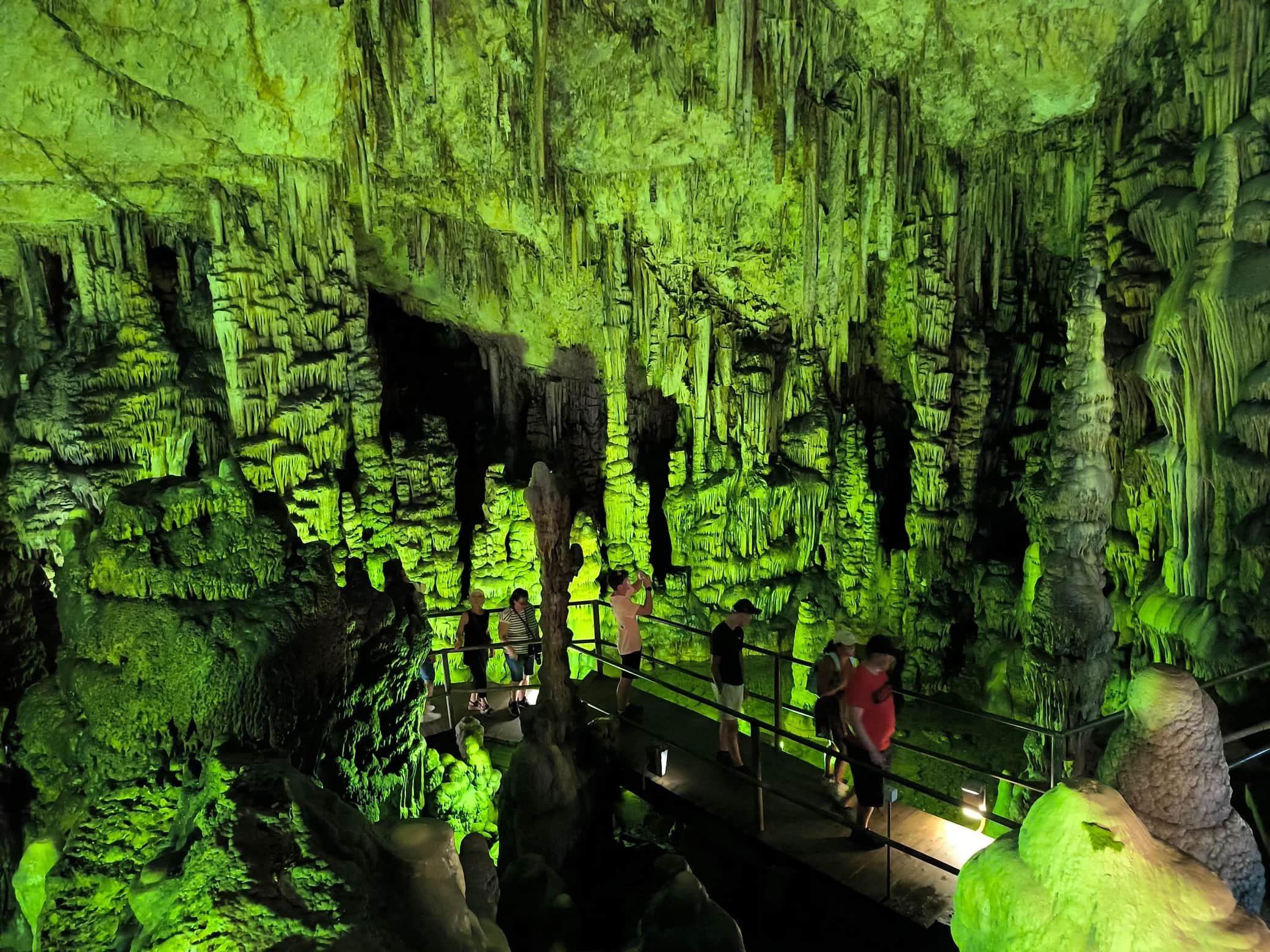 From €89
Crete · 8 hours
Cave of Zeus Jeep Safari, Crete: Lasithi Plateau & Villages
Check availability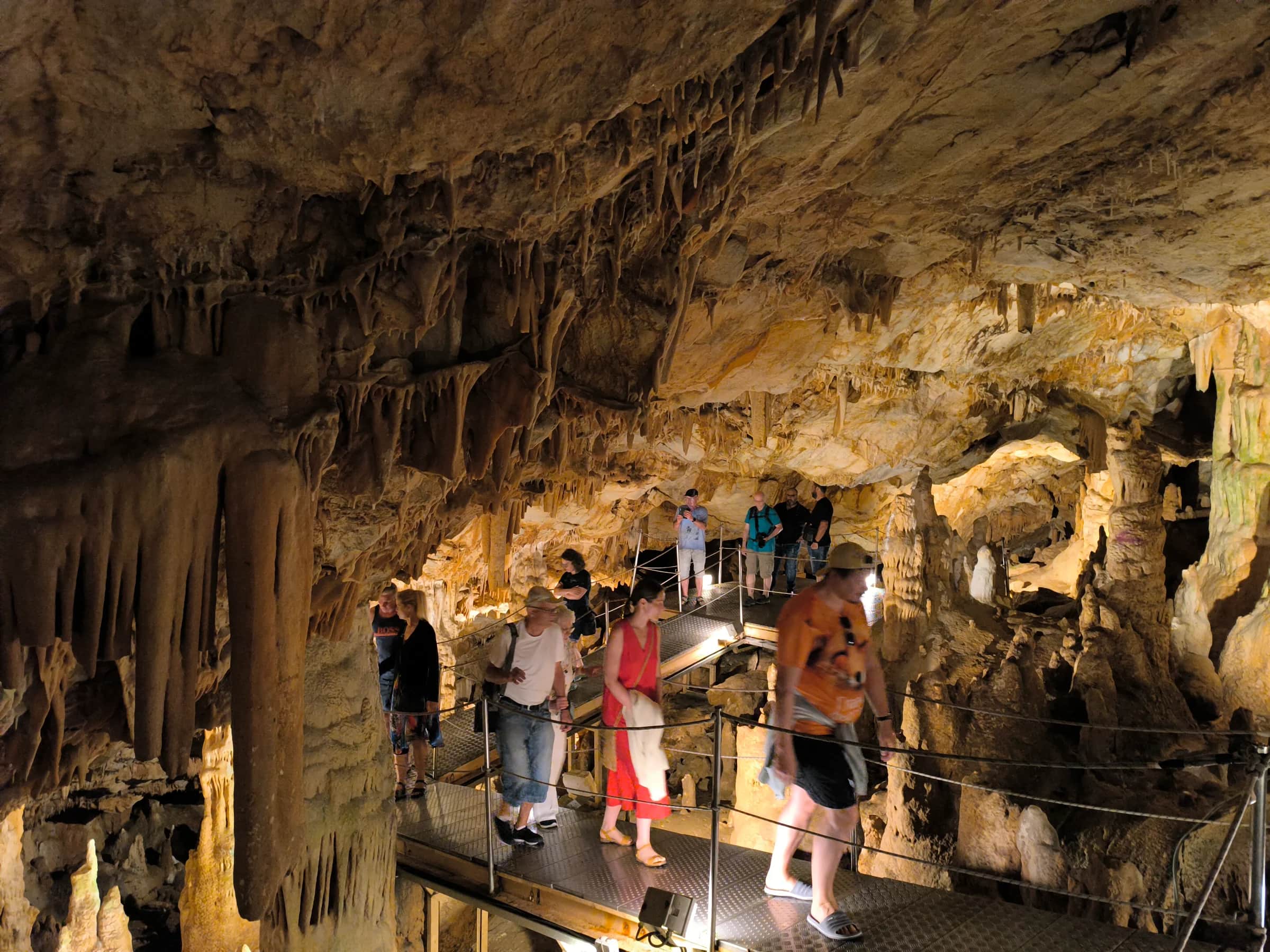 From €94
Crete · 8 hours
Psiloritis Jeep Safari in Crete: Sfendoni Cave & Villages
Check availability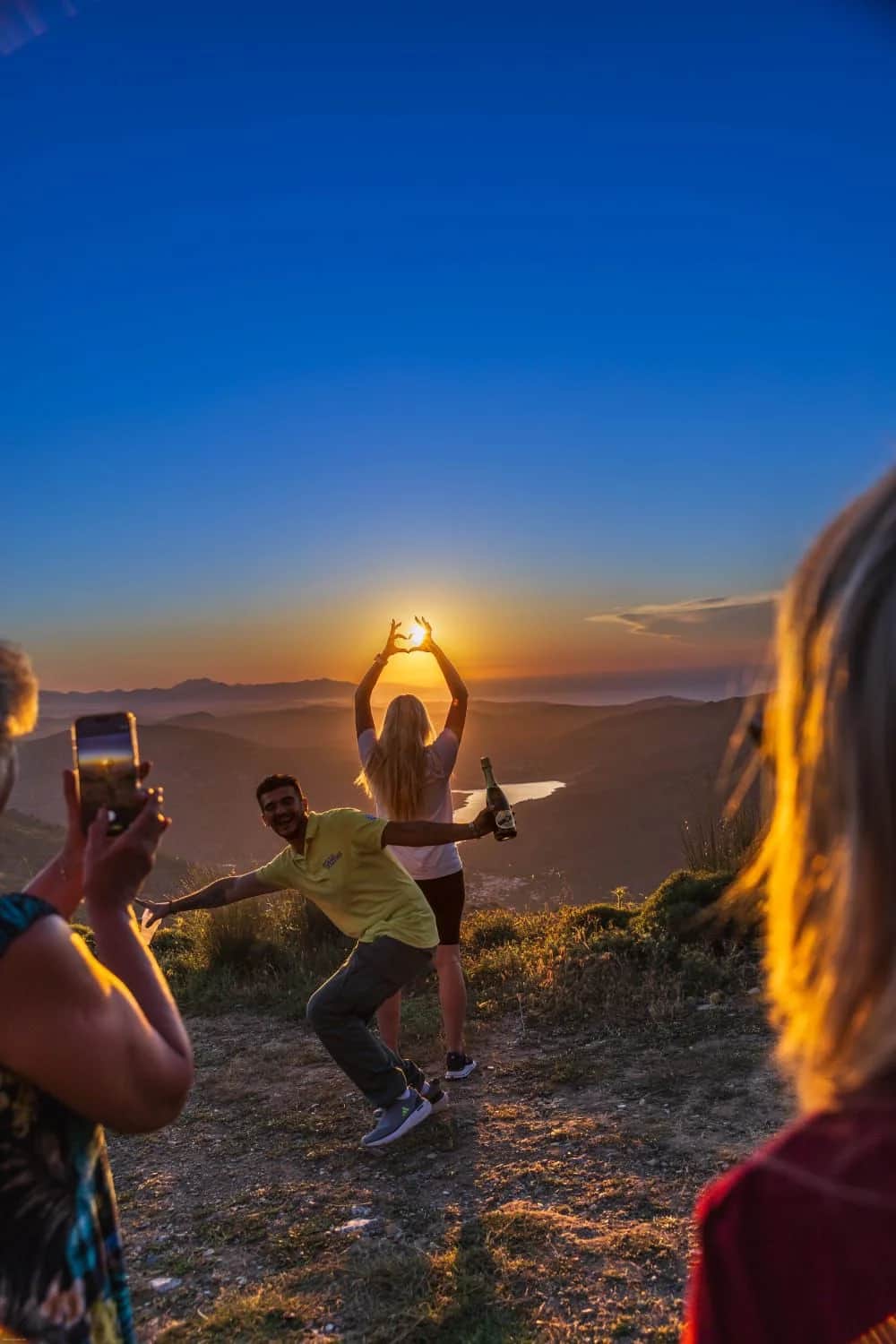 From €82
Heraklion, Crete · 5 hours
Sunset Jeep Safari in Heraklion: Off-Road Tour & BBQ Dinner
Check availability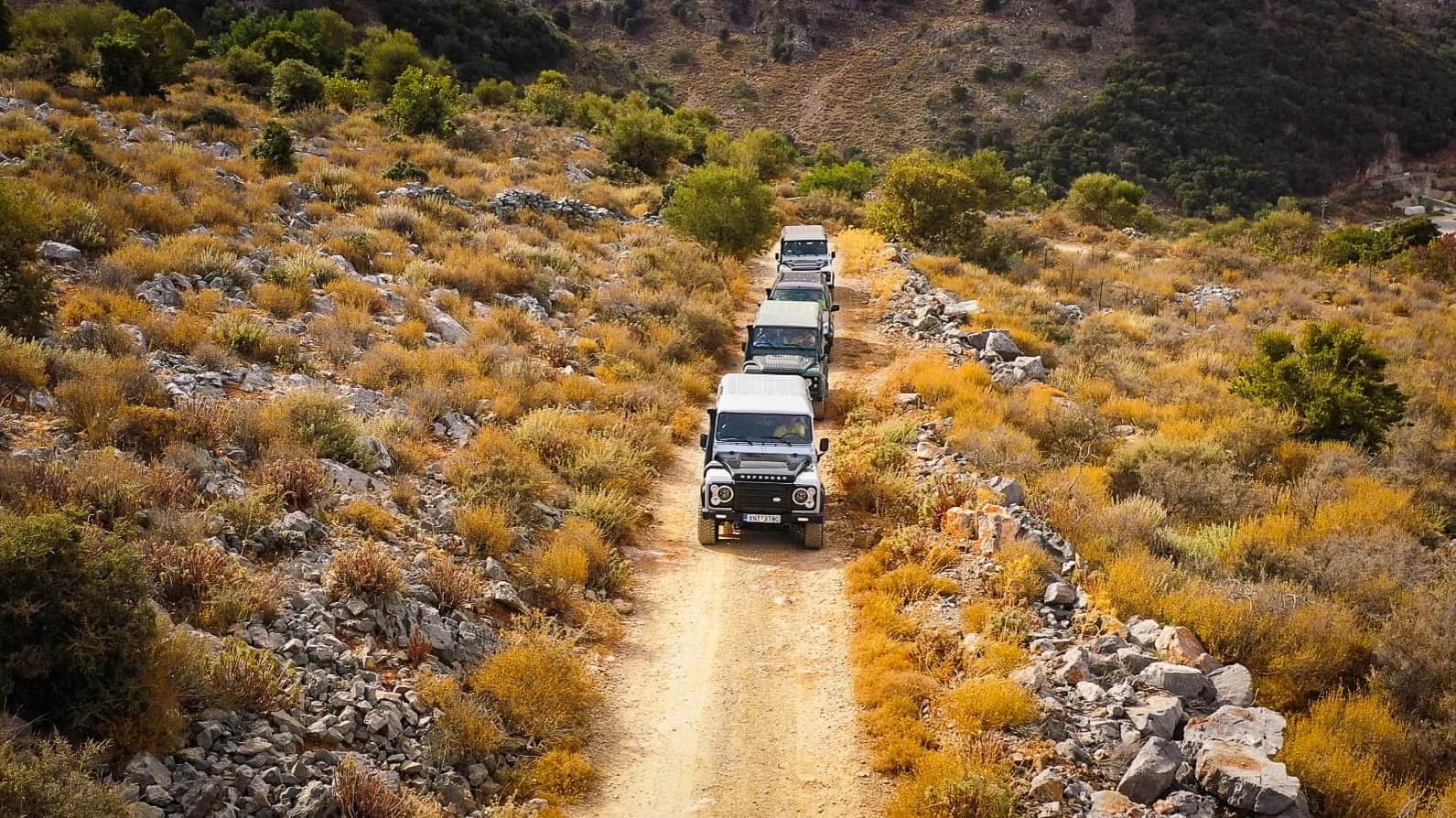 From €94
Agios Nikolaos, Crete · 8 hours
Jeep Safari Tour to Sarakina Gorge from Agios Nikolaos
Check availability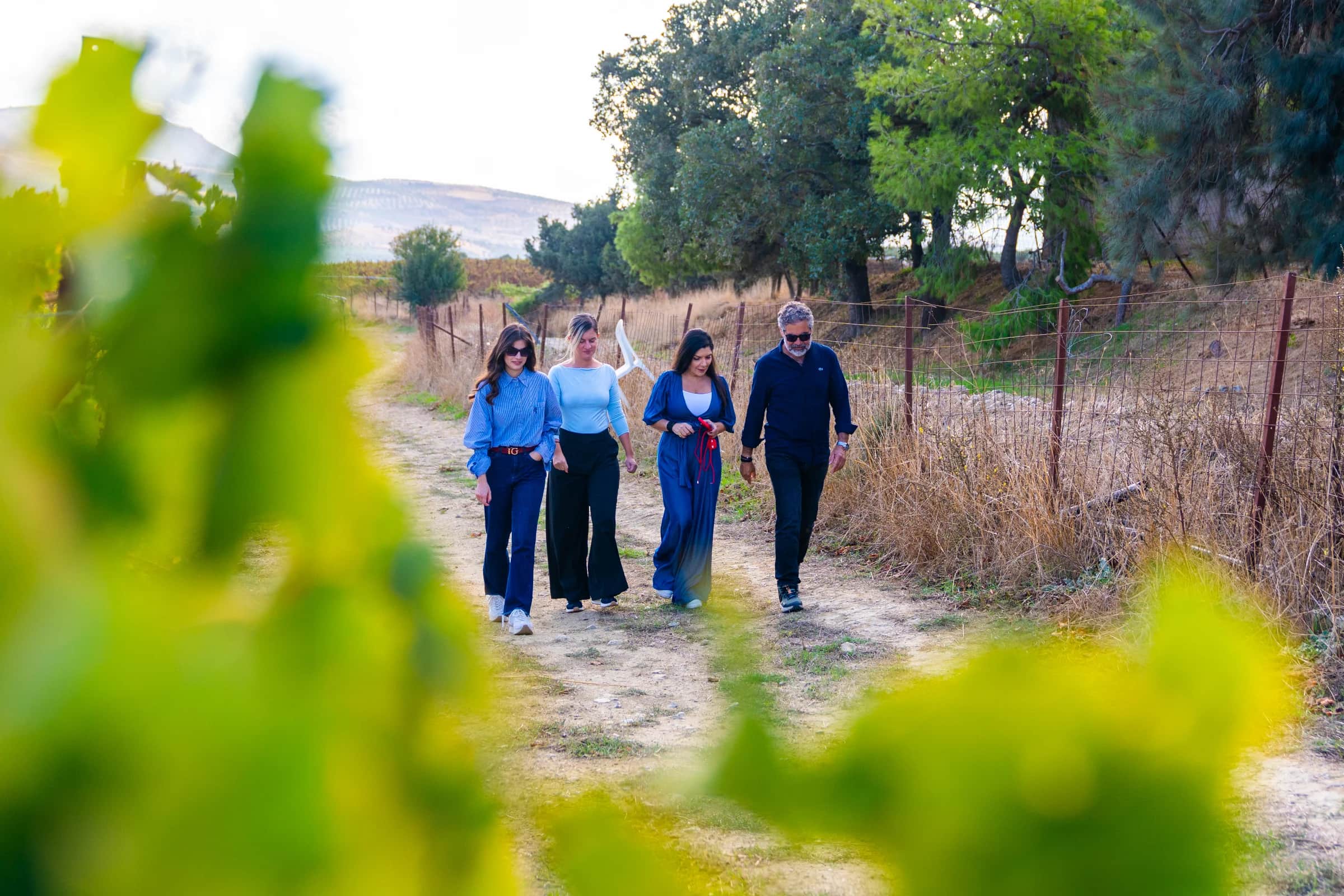 From €22
Crete · 1 hours
Petradias Collection: A Journey Through Indigenous Cretan Varieties
Check availabilityRichtis Gorge and Beach
Richtis Gorge is one of the best hidden gems in eastern Crete for travellers who want nature without following the island's most famous hiking route. It combines greenery, walking, water, rocks and access to the sea, giving it a different feeling from the drier landscapes many visitors expect.
Richtis is a good option if you are staying around Agios Nikolaos, Sitia or eastern Crete. It is less practical as a casual day trip from the west, because the distances become too long. If you would rather not manage the trail yourself, a private guided hike at Richtis Gorge runs at 65 euros and handles the logistics for you.
The appeal is the combination. You do not only go for a beach. You do not only go for a walk. The route gives you a more layered experience: gorge, water, shade, path and coastal finish.
This is best for active couples, nature-focused travellers and families with older children who are comfortable walking. It is not ideal for travellers who want an organised beach with sunbeds and services.
Practical tip: wear proper shoes, bring water and check conditions before you go. Hidden-gem nature spots are more rewarding when you do not treat them like resort beaches.
If you want the guided version, check the day before you plan the week: every date in the Richtis calendar is a Wednesday, the walk runs 09:00 to 12:00, and the last one of the year is at the end of September. Our guide to the best time to hike in Crete covers the same detail for every walk we sell.
Ravdoucha Beach
Ravdoucha Beach is a good example of the kind of beach that works well in a hidden-gems guide. It is not about pink sand or dramatic branding. It is about quiet water, a more local feeling and a slower west Crete beach day.
Ravdoucha sits on the Chania side of the island and works best for travellers staying in western Crete. It is useful when you want a beach that feels different from the headline names.
This is the kind of place to choose when you want to read, swim, eat nearby and avoid turning the day into a crowded attraction. It is more suited to couples and slow travellers than to visitors looking for a long list of facilities.
As with many quieter beaches in Crete, timing matters. Go earlier in the day or outside peak season for the best experience. Bring what you need, especially if you prefer not to depend on beach services.
Matala Beyond the Famous View
Matala is not a hidden beach in the strict sense. It is well known for its caves, seaside setting and different atmosphere. Still, it belongs in a hidden-gems Crete guide because it can be used as part of a more interesting south coast day.
The mistake is visiting Matala only as a famous photo stop. The better approach is to give it time, walk the area, understand the cave-backed landscape and then combine it with a nearby food stop or another south coast place.
Matala works especially well from Heraklion and central Crete. It is more manageable than many far-west beaches if you are staying in the Heraklion region.
For couples, Matala can be a good late-afternoon or early-evening stop. For families, it can work as a beach day, but expect more visitors than at smaller coves.
The key is expectation. Matala is not empty. It is memorable because of its setting and its place in Crete's south coast identity.
Balos and Elafonisi With Better Timing
Balos and Elafonisi are famous, not hidden. But many people searching for hidden gems in Crete still want to understand whether they are worth it, and how to experience them without feeling trapped in the busiest version of the place.
The honest answer is that both can be extraordinary, but they need planning. They are among the island's most recognisable coastal landscapes, which means they get busy in high season.
For a better experience, avoid treating them as casual last-minute beach stops. Check the route, timing and transport options carefully. Balos in particular is often reached by boat, and an off-the-beaten-path boat trip can be a calmer way to arrive than the long drive and walk. Elafonisi is far more enjoyable in spring, early autumn, early morning or later in the day.
Both are best from western Crete, especially Chania and nearby villa bases. Neither is a smart hidden-gem day from Heraklion unless you are prepared for a long journey. Pairing them with a quieter nearby stop or a slow meal afterward makes the day feel less like a crowded attraction and more like a proper west Crete route.
Heraklion-Area Inland Villages
Many visitors use Heraklion only for the airport, Knossos or one night before leaving. That is a missed opportunity. The Heraklion region has several inland villages and countryside routes that work well for travellers looking for hidden gems near the main city.
This area is especially useful if you are staying in Heraklion, Hersonissos, Gouves, Malia, Agia Pelagia or Ammoudara. Instead of driving across the island, you can go inland for a half-day or full-day route.
A good Heraklion-area hidden-gem day might include a village walk, coffee, a local lunch, olive groves, wine country or a scenic drive through the hills. It does not need one famous attraction to be worthwhile.
For a more structured version, a guided countryside or safari-style route helps, because local roads and villages are easier to enjoy when someone else handles the driving. The Psiloritis jeep safari links the mountain hamlets, the Sfendoni Cave and highland scenery in one trip, which is far simpler than piecing the roads together yourself.
East Crete Around Agios Nikolaos
Eastern Crete is one of the best directions for travellers who want quieter scenery. Around Agios Nikolaos, Elounda, Sitia and the wider Lasithi region, the island feels different from the busier west-coast highlights.
This does not mean empty. It means calmer, more open and often better suited to slow road trips.
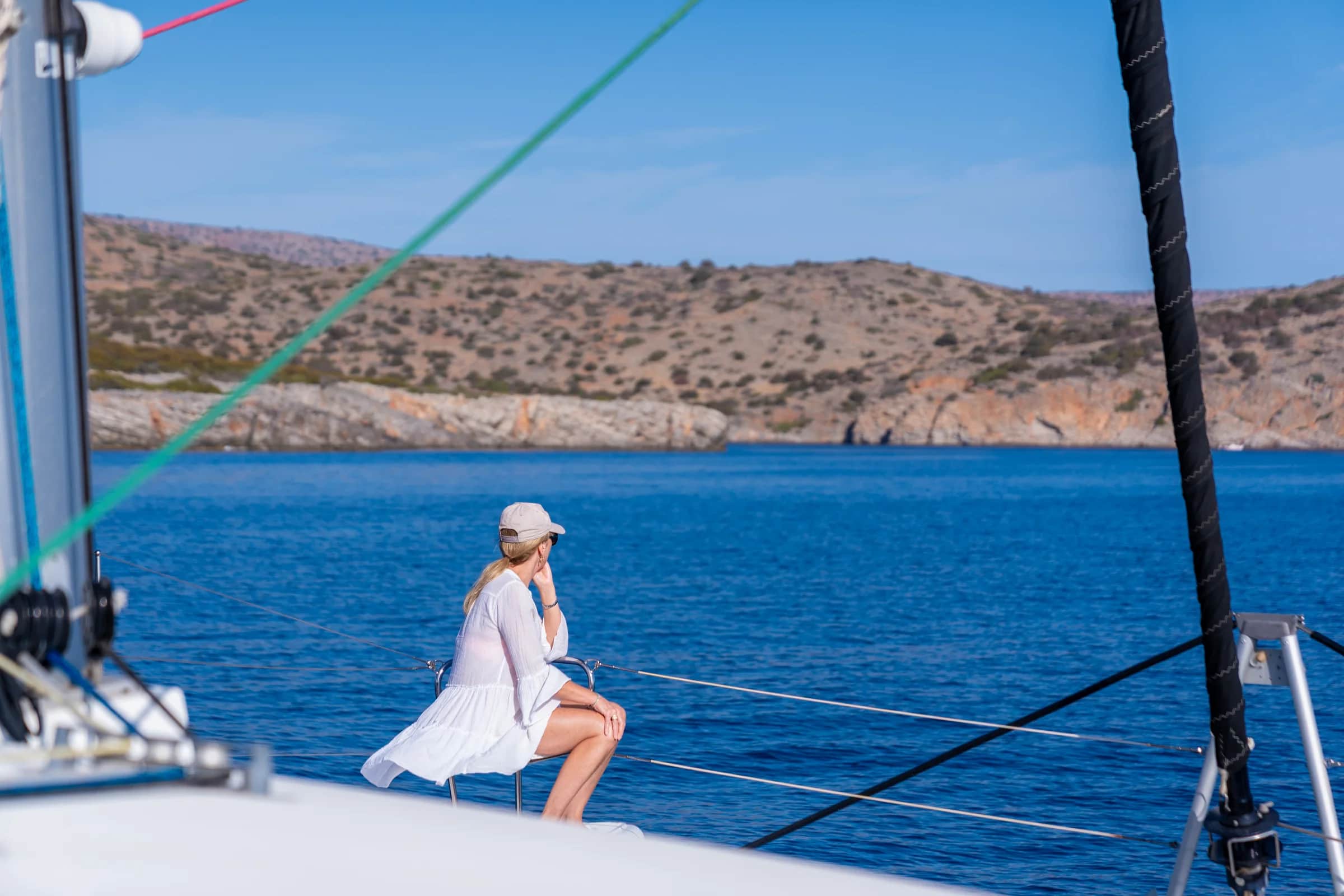
Agios Nikolaos itself is not hidden, but it is a useful base for quieter coastal routes, inland villages, Spinalonga, Mirabello Bay and east Crete day trips. If you are staying in this part of the island, do not spend your whole trip chasing Chania or Elafonisi. The east has its own rhythm, and one of the quietest ways to see it is from the water. The semi-private catamaran around Spinalonga reaches sheltered coves and the island fortress with far less crowding than the road route, and everything else bookable out east sits under Agios Nikolaos and Lasithi on our experiences page.
Catamaran cruise around Spinalonga
 From €140
Agios Nikolaos, Crete · 5 hours
Semi-Private Catamaran Cruise in Agios Nikolaos, Spinalonga & All-Inclusive Experience
Check availability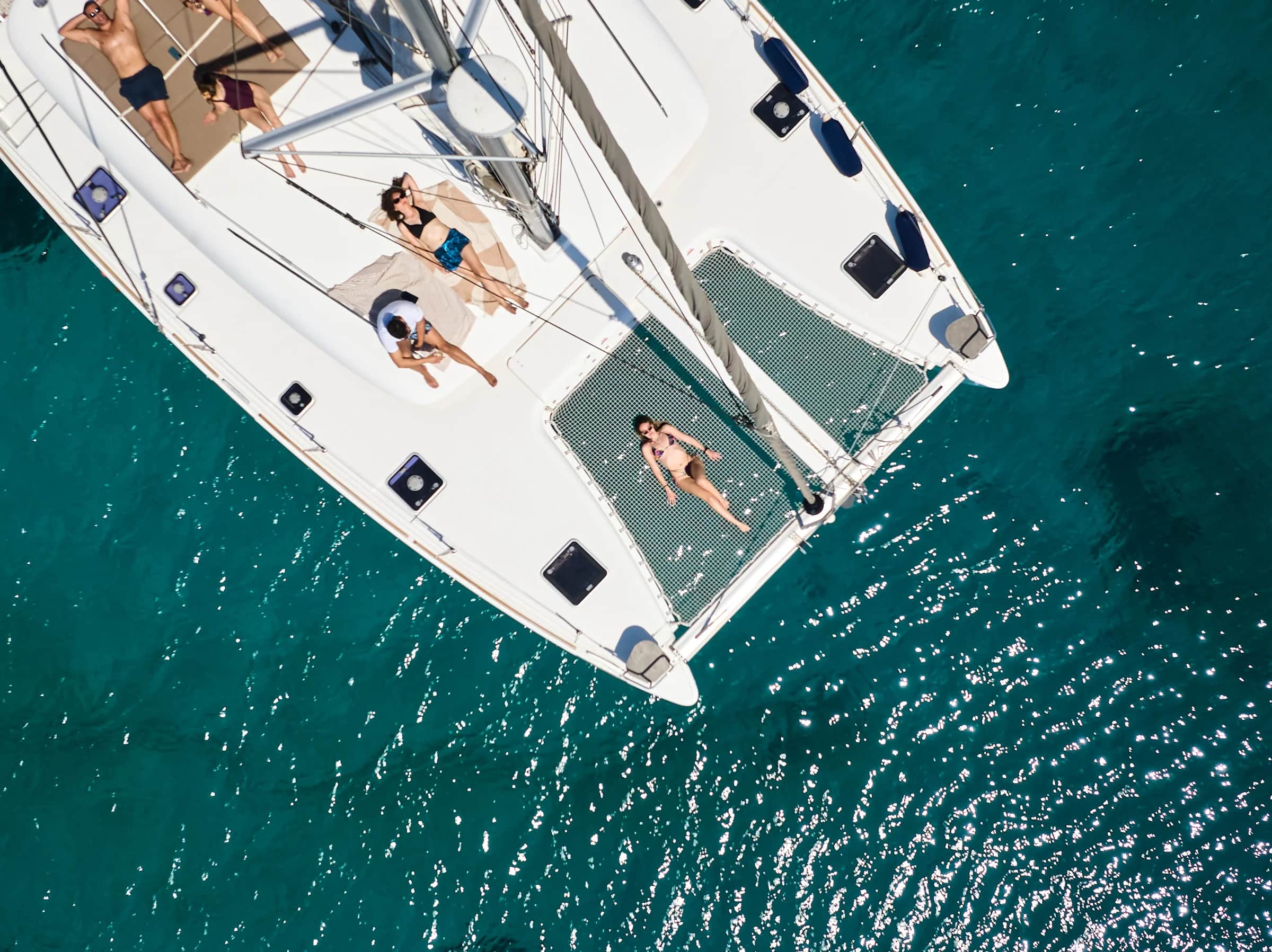 From €1800
Spinalonga, Crete · 6 hours
Catamaran Private Cruise to Spinalonga & Kolokitha Bay
Check availability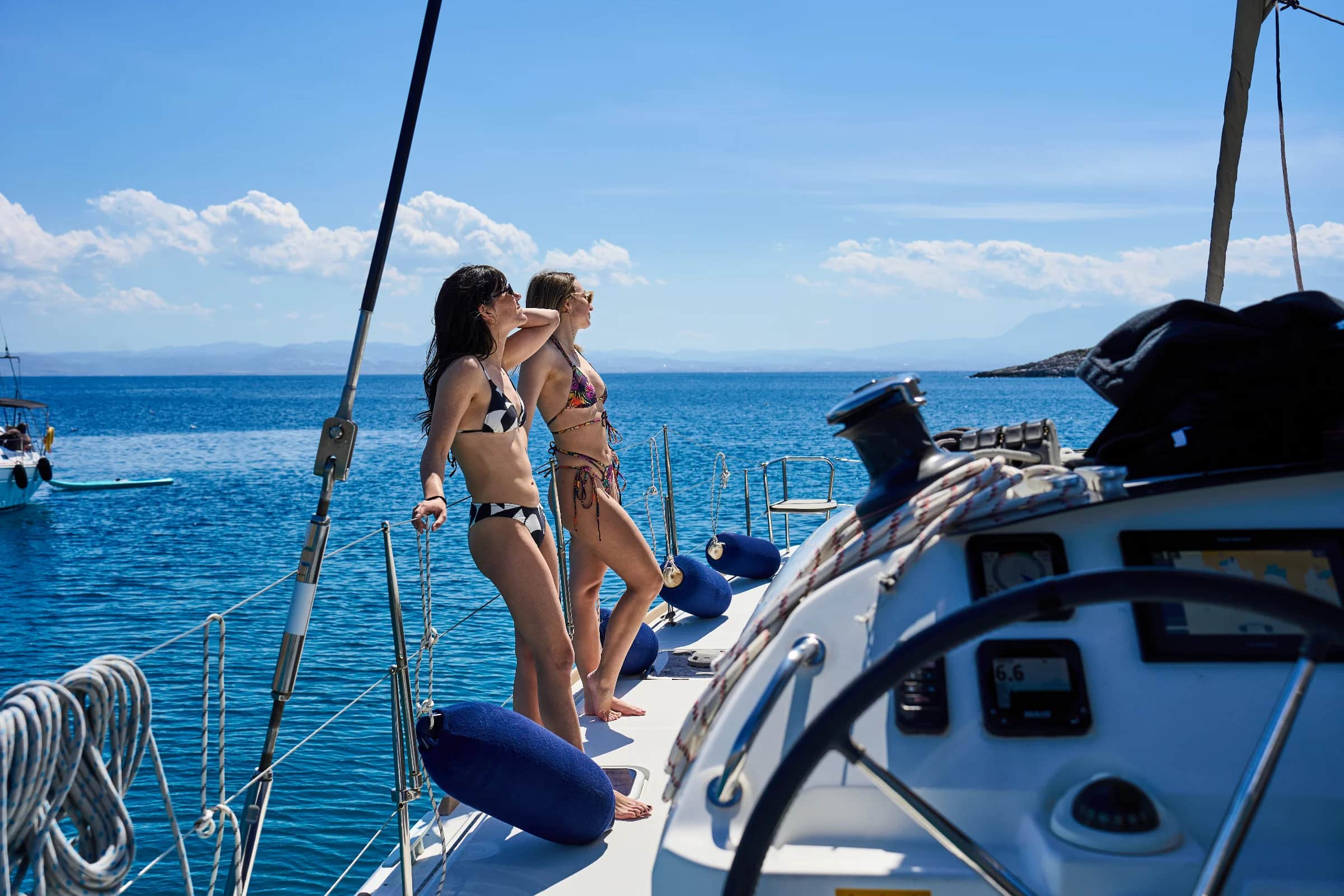 From €90
Heraklion, Crete · 6 hours
Shared Catamaran Cruise from Heraklion to Dia Island with Drinks and Meal
Check availability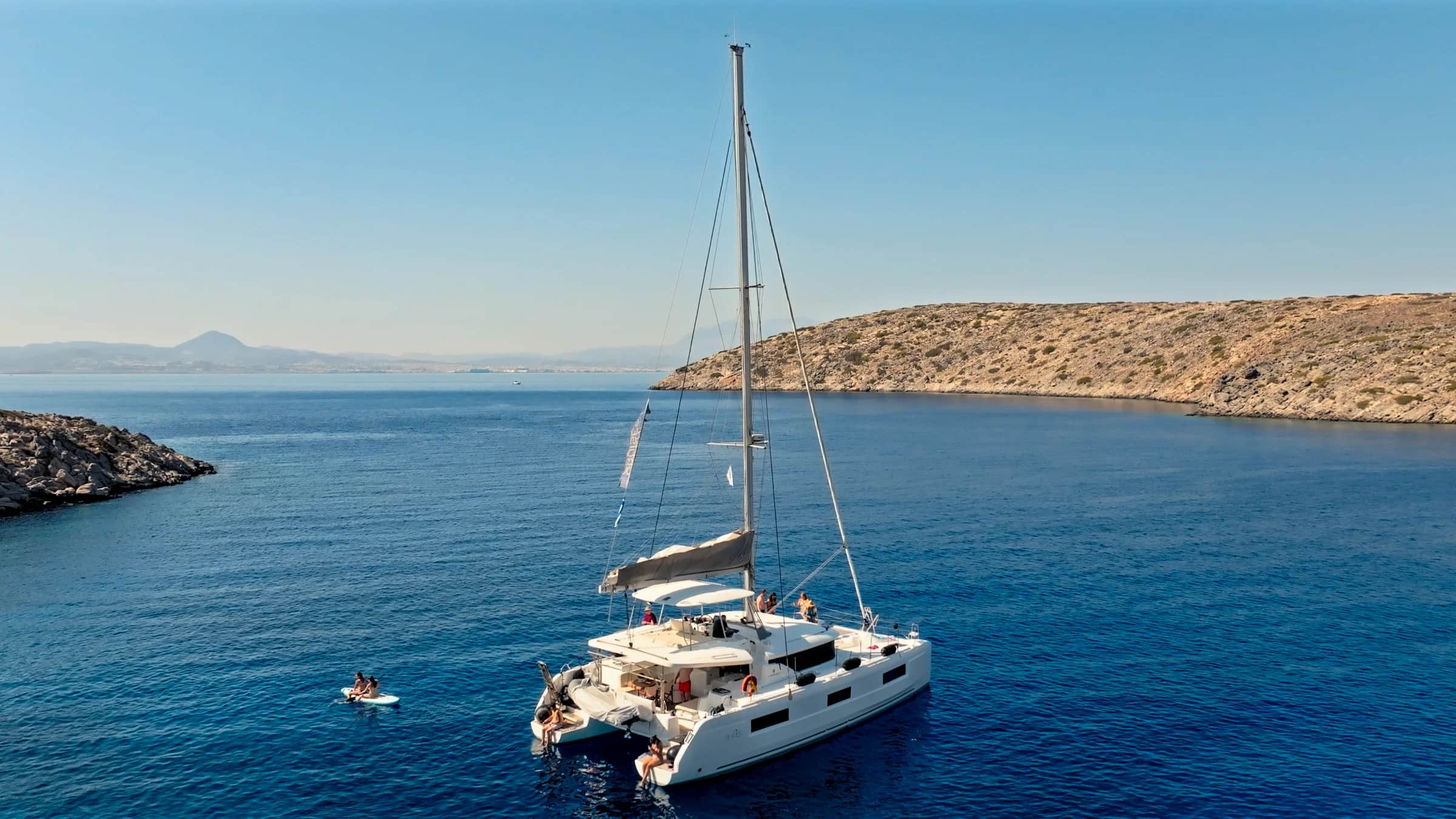 From €120
Dia Island, Crete · 5 hours
Dia Island Luxury Cruise with BRAND NEW Catamaran(EST 2025)
Check availability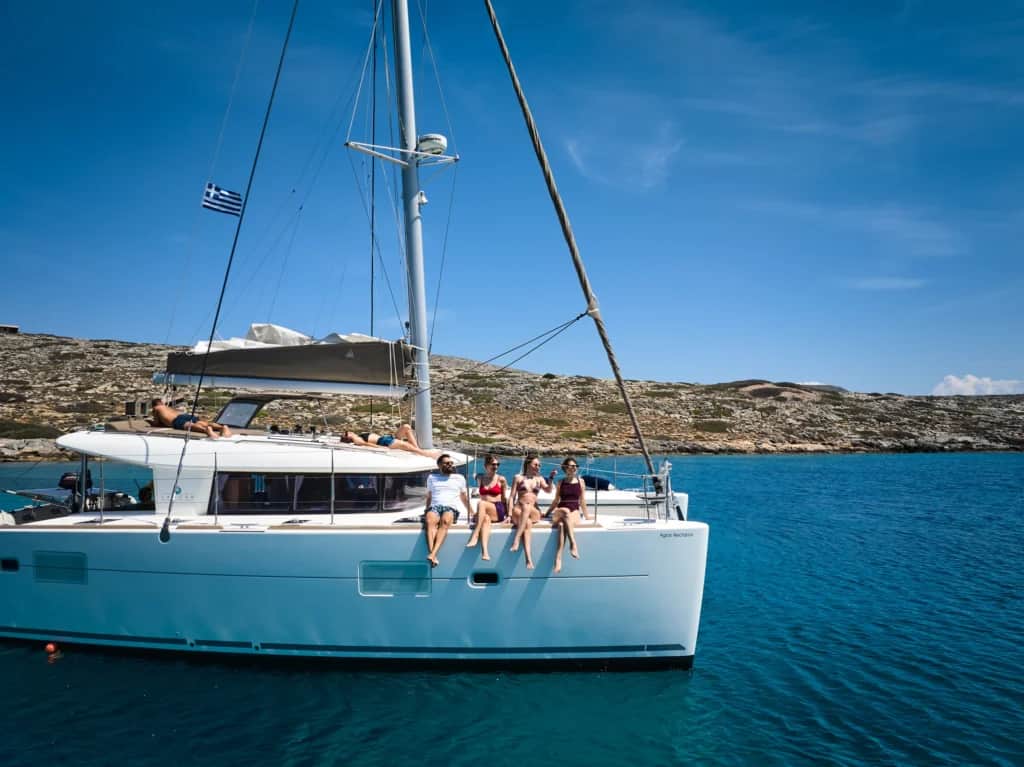 From €140
Spinalonga, Crete · 6 hours
Shared Catamaran Sailing Trip to Spinalonga & Kolokitha
Check availabilityThis area works well for couples, repeat visitors and travellers who prefer scenery and food stops over crowded landmark hopping. The best way to plan east Crete is with fewer stops and more time between them. A scenic stop, a swim and a local meal can make the day feel complete.
One practical warning if you are building days around this coast: the east sells almost nothing in the four-to-five-hour range that the rest of Crete is full of. Bookings here are either two or three hours or a full eight, and two of the cheapest plateau experiences depart only at five in the afternoon. Our guide to short trips from Agios Nikolaos sorts them by their real departure times.
South Coast Day Trips
The south coast of Crete is where the island often feels more open and less predictable. The roads are slower, the distances feel bigger and the landscape changes as you cross from north to south. That is part of the appeal.
A south coast day can include Matala, smaller beaches, seaside villages, mountain views and tavernas that feel more connected to the route than to resort traffic. It is a strong choice if you want a day that feels less packaged. For the classic routes and how they compare, see our day trips guide.
The south coast works from different bases depending on which part you choose. From Heraklion, south-central routes can be manageable. From Chania or Rethymno, western and central south coast options make more sense. From eastern Crete, the far east and southeast should be considered separately.
Do not overload a south coast day. Choose one beach or village as the anchor, then add lunch and maybe one scenic stop. The road is part of the experience, not something to rush through.
Small Beaches With Clear Water
Some of the best beaches in Crete are not the ones with the biggest names. A small beach with clear water, rocks, a quiet taverna and space to breathe can feel more valuable than a famous lagoon in peak season.
The challenge is that small beaches often come with trade-offs. There may be fewer facilities, limited parking, rougher access or less shade. That is why you should plan rather than improvise.
Bring water, beach shoes if the shore is rocky, sun protection and a simple plan for food. Do not assume every beach has a full-service setup.
Small beaches are especially good for couples and travellers who like quiet. Families can enjoy them too, but only when access is manageable and the water conditions are suitable.
Hidden Food Stops and Local Villages
Hidden gems in Crete are not only beaches. Sometimes the best part of a day is the place where you stop to eat.
A village taverna after a mountain drive, a seaside lunch after a quiet swim or a simple meal near an inland route can turn a good day into a better one. This matters because Cretan travel is closely tied to food. Olive oil, cheese, greens, grilled meat, fish, vegetables, wine and raki are part of the island's rhythm.
When planning hidden-gem routes, do not leave food as an afterthought. Choose areas where lunch or dinner fits naturally into the day. A guided village-focused food day makes this easier, because the tasting, the setting and the local producers are already arranged, and our olive oil tasting guide explains the farm and mill formats behind these days.
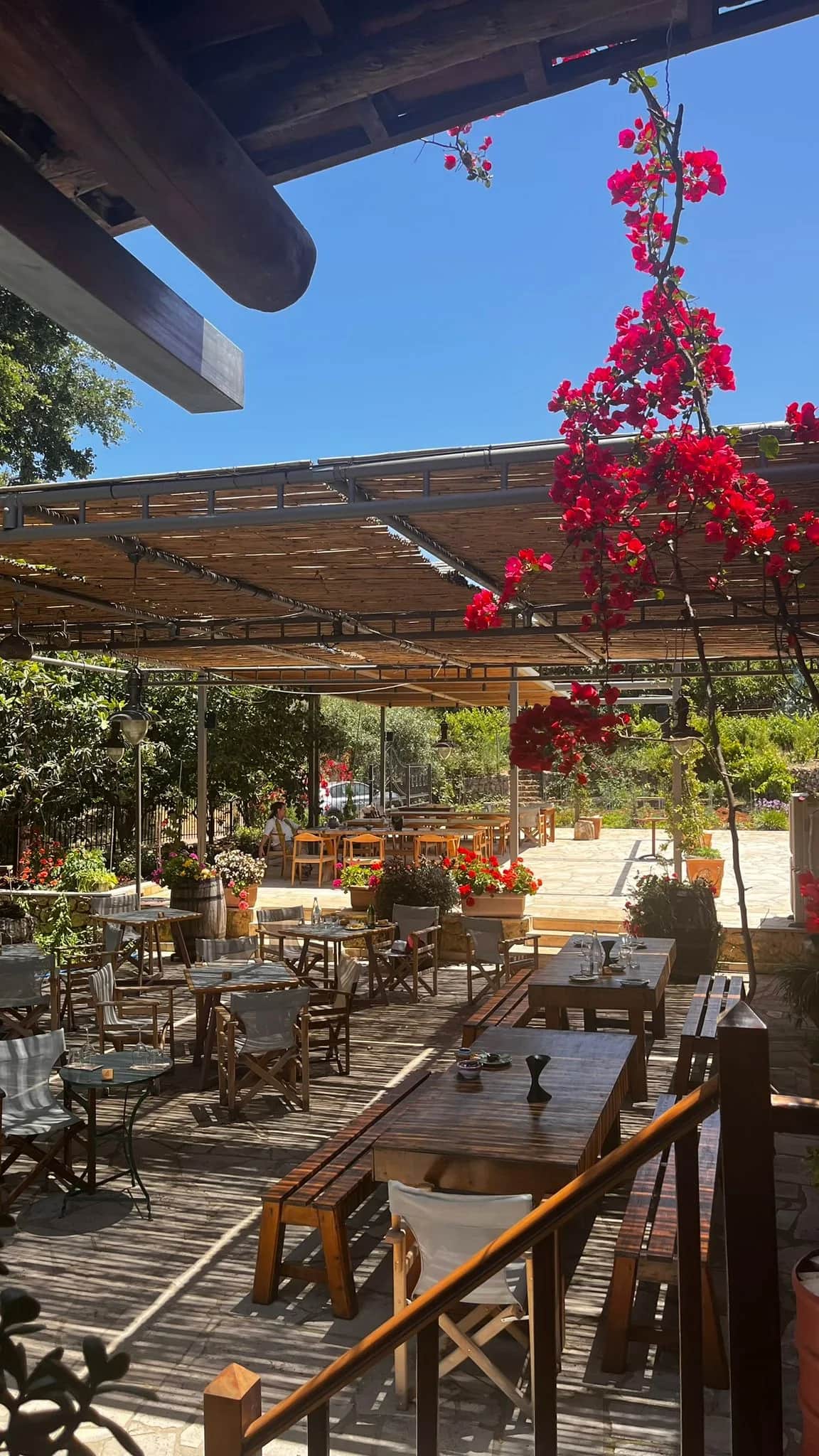
A strong route might be a morning swim at a quieter beach, a scenic drive inland or along the coast, lunch in a village or small seaside taverna, then a slow return before sunset. This is often better than chasing three beaches in one day.
Couple-Friendly Hidden Gems
Couples often search for quieter things to do in Crete because they want atmosphere, not only sightseeing. The best hidden gems for couples are usually slower and less crowded.
Look for small beaches, wine tasting, inland village dinners, scenic drives, sunset coastal stops and private or semi-private experiences. A crowded beach at midday is rarely romantic. A quieter route with good timing can feel much better.
For couples staying in Heraklion, useful options include inland villages, wine routes, Dia Island sailing, Matala and central Crete countryside. For couples staying in Chania, Ravdoucha, west coast routes, old-town evenings and carefully timed beach days work well. For couples in the east, Agios Nikolaos, Elounda, Mirabello Bay and less rushed coastal drives are strong choices.
An off-the-beaten-path boat trip is one of the most reliably romantic quiet options, and the quiet hour is easier to book than most people realise. The semi-private all-inclusive cruise to Dia Island at 70 euros sells two departures a day, 09:00 to 15:00 and 15:00 to 21:00. Take the later one and you get the anchorage after the day boats have gone home, a meal and drinks on the way back, and the light dropping over the water somewhere between 19:30 in September and 20:35 in midsummer.
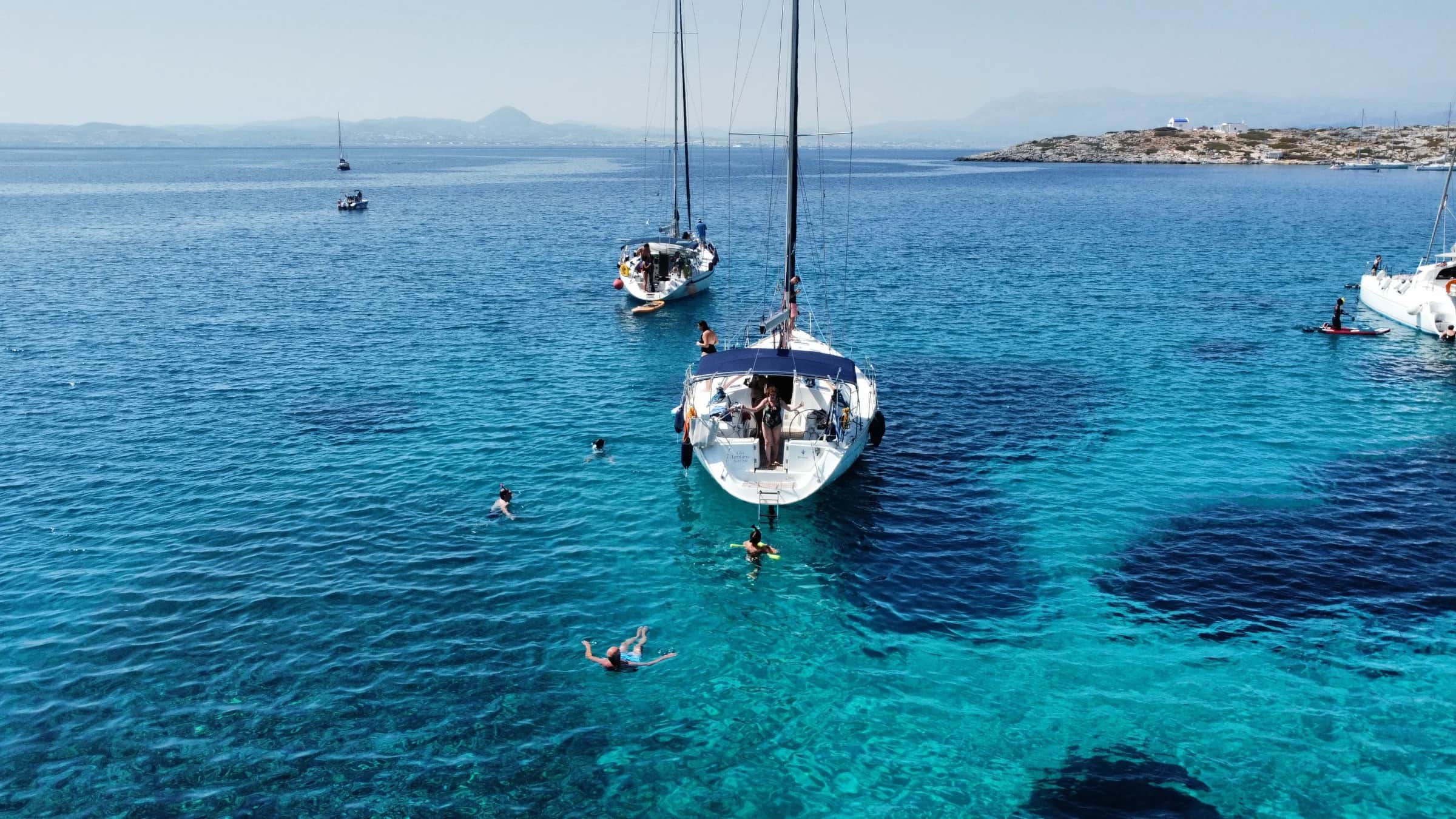
The best couple-friendly hidden-gem day is simple: one scenic place, one food stop and one relaxed return. Our couples guide builds full days around exactly that rhythm.
Hidden Nature Beyond Samaria
Samaria Gorge is famous, but it is not the only nature experience in Crete. Travellers looking for quieter nature should consider smaller gorges, east Crete routes, inland walking areas and countryside experiences that do not require a full-day hike.
Richtis is one example, but the wider lesson is more important: choose nature based on your energy level. Not everyone needs the longest hike. Some travellers want shade, water, a short walk and a beach. Others want mountain roads and viewpoints. Others prefer guided nature routes where they do not need to manage trail logistics.
This is where guided experiences help. A local route can include caves, villages, plateaus, food stops and viewpoints without requiring visitors to research every road. For families, hidden nature should be chosen carefully. Shade, duration, terrain and heat matter more than how impressive the location looks in photos.
A Slower Hidden-Gems Itinerary
The best hidden-gems itinerary in Crete is usually slower than people expect.
For a one-week trip, do not try to visit every region. Instead, choose two or three focused hidden-gem days: one quiet beach or coastal route, one inland village, food or wine route, one nature or gorge day, one sea experience or boat trip, and one free day with no fixed plan.
This rhythm works especially well if you are staying in a villa. You can go out for a half-day, return to your own pool or terrace and avoid the pressure of constant movement. Hidden-gem travel is not about doing more. It is about choosing better.
Best Time to Visit Hidden Gems in Crete
Spring and early autumn are the best times to explore hidden gems in Crete.
From April to June, the island feels fresher, the countryside is greener and road trips are easier. Beaches may be quieter, villages feel more relaxed and walking is more comfortable.
September and October are also excellent. The sea is still warm, the intense summer pressure begins to soften and many places feel more open again.
July and August still work, but you need better timing. Go early for beaches and gorges. Avoid long exposed walks in the middle of the day. Plan lunch somewhere shaded. Do not expect famous hidden beaches to be empty.
Winter can be rewarding for inland villages and local food, but swimming and beach-style hidden gems are more weather-dependent.
Where to Stay for Hidden-Gem Travel
A private villa can make hidden-gem travel much easier. You are not tied to hotel meal times, crowded resort routines or one narrow area. You can plan a quiet beach in the morning, return for rest, then go out again for dinner or a short local experience.
This is where our own villa company My Creta Villa fits naturally into a Crete itinerary. A villa can become a flexible base for day trips, quiet beaches, sailing, safari routes, wine tasting, cooking classes and inland exploration.
Where to stay: private villas in Crete
My Creta Villa is our own villa company — same family as this guide.
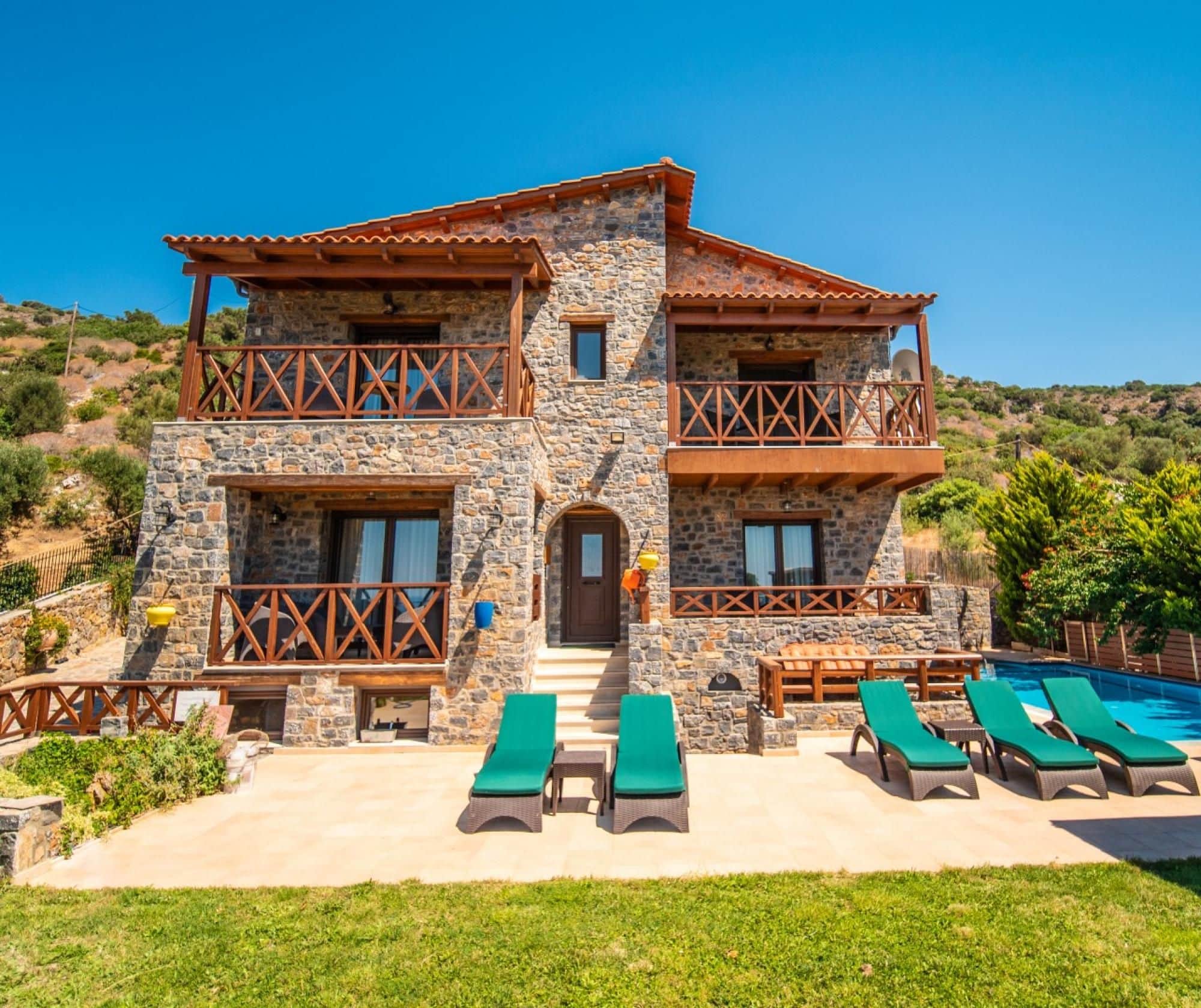 From €570
Milatos, Lasithi
Villa Avia
12 guests · 5 bedrooms
View villa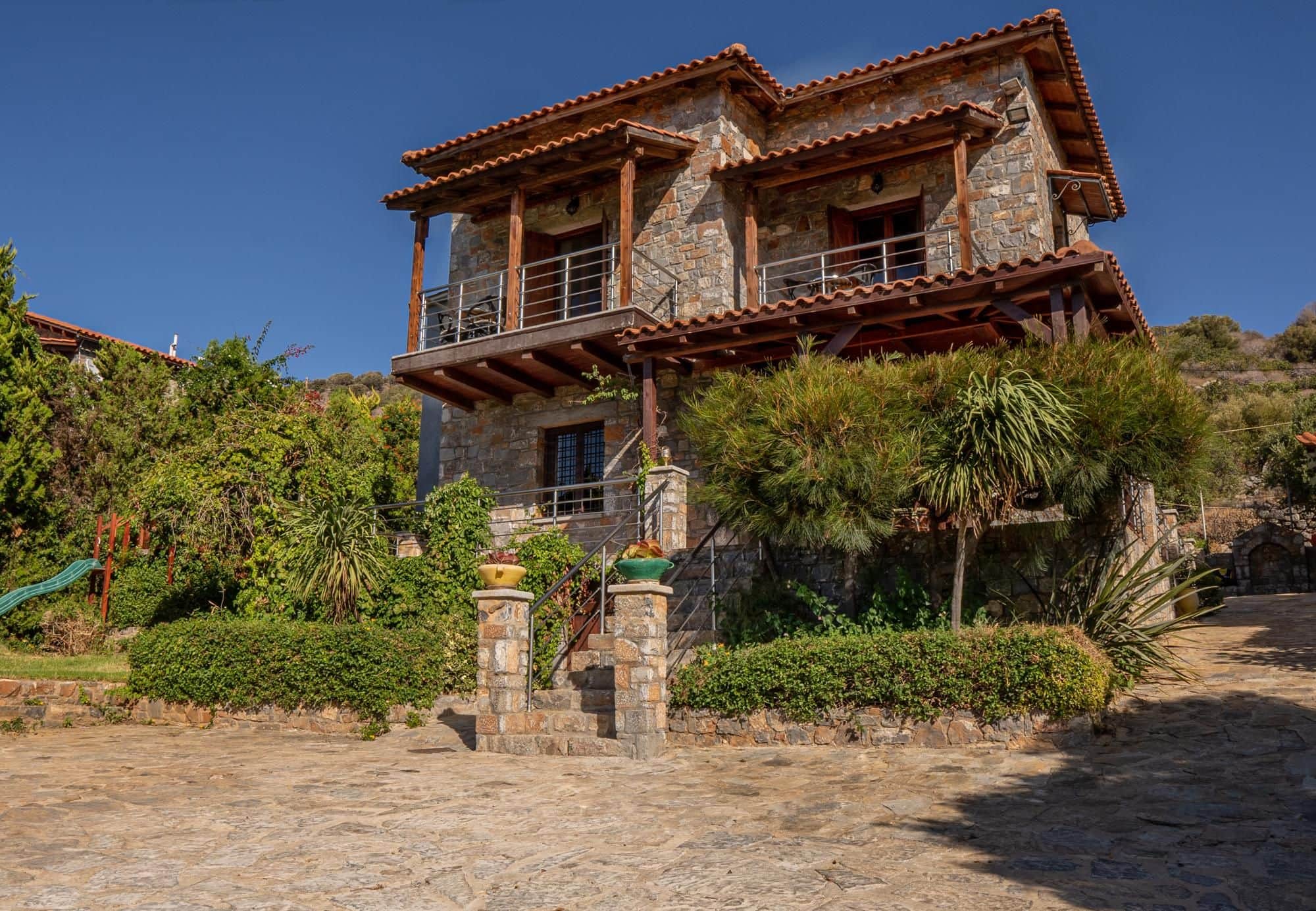 From €450
Lasithi
Iris Stone Built Villa
9 guests · 3 bedrooms
View villa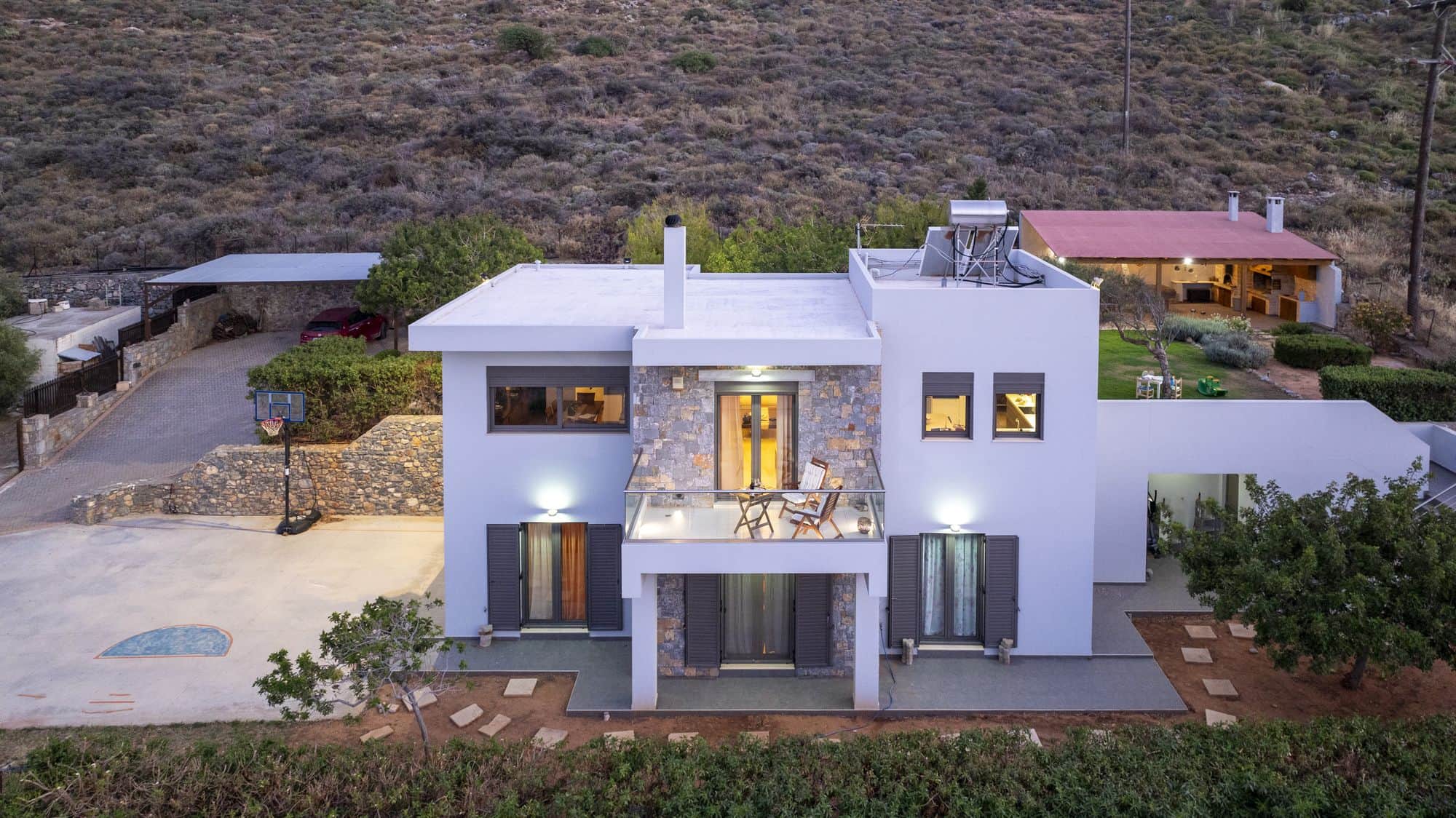 From €400
Heraklion
Luxury Villa Kopsas
8 guests · 4 bedrooms
View villa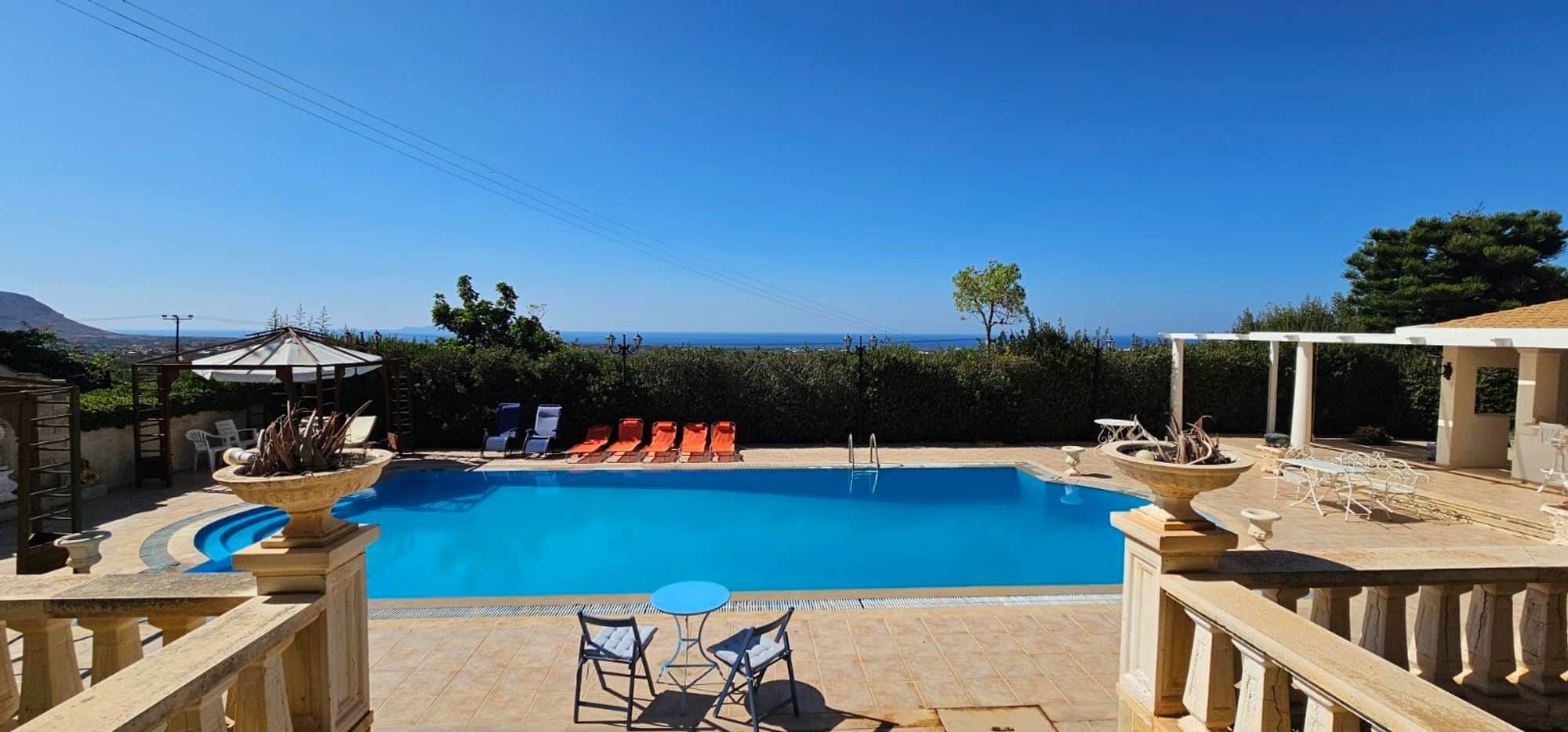 From €650
Heraklion
Palazzo Reale Superior Villa
13 guests · 7 bedrooms
View villa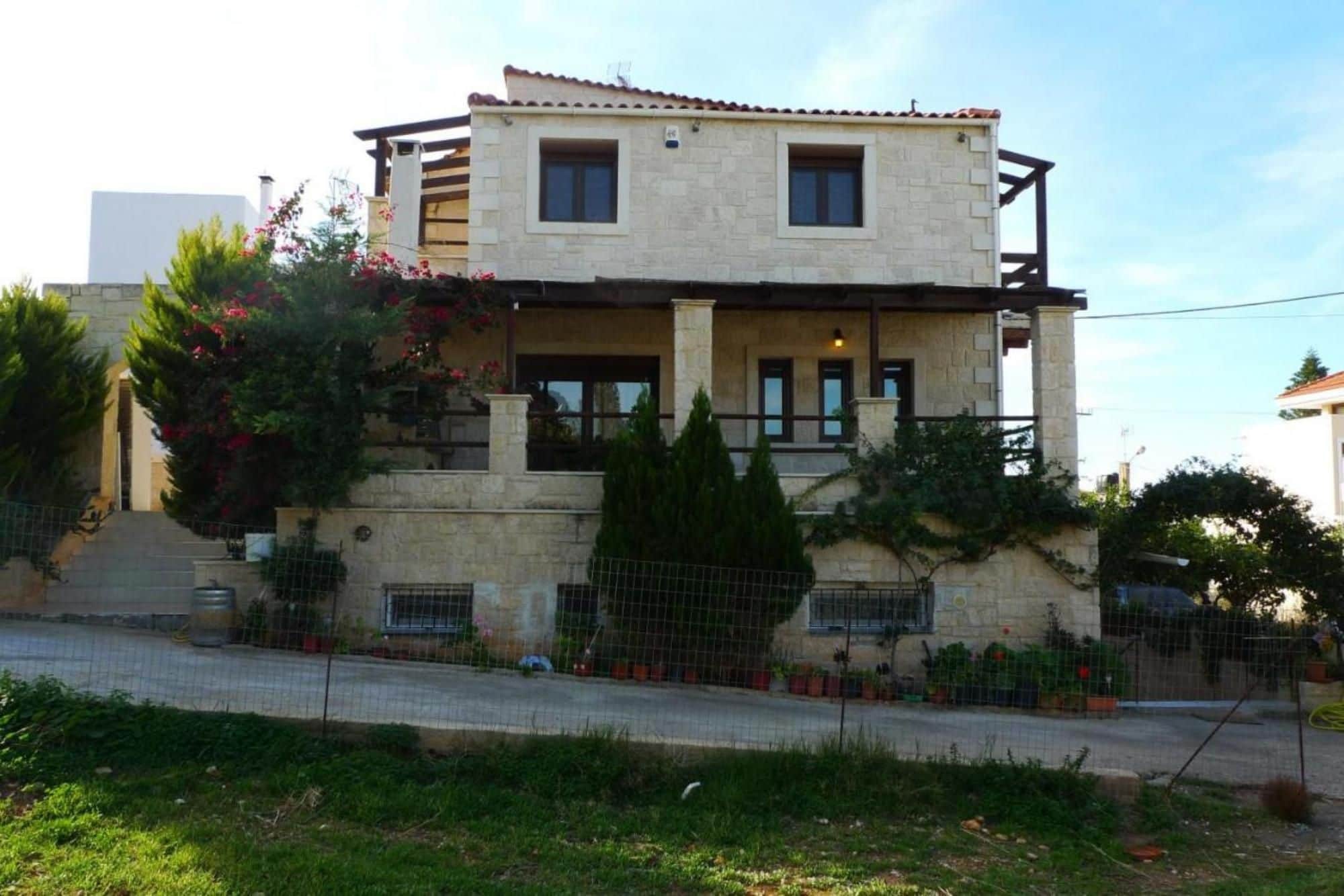 From €430
Heraklion
Stone and Wood Villa
10 guests · 4 bedrooms
View villa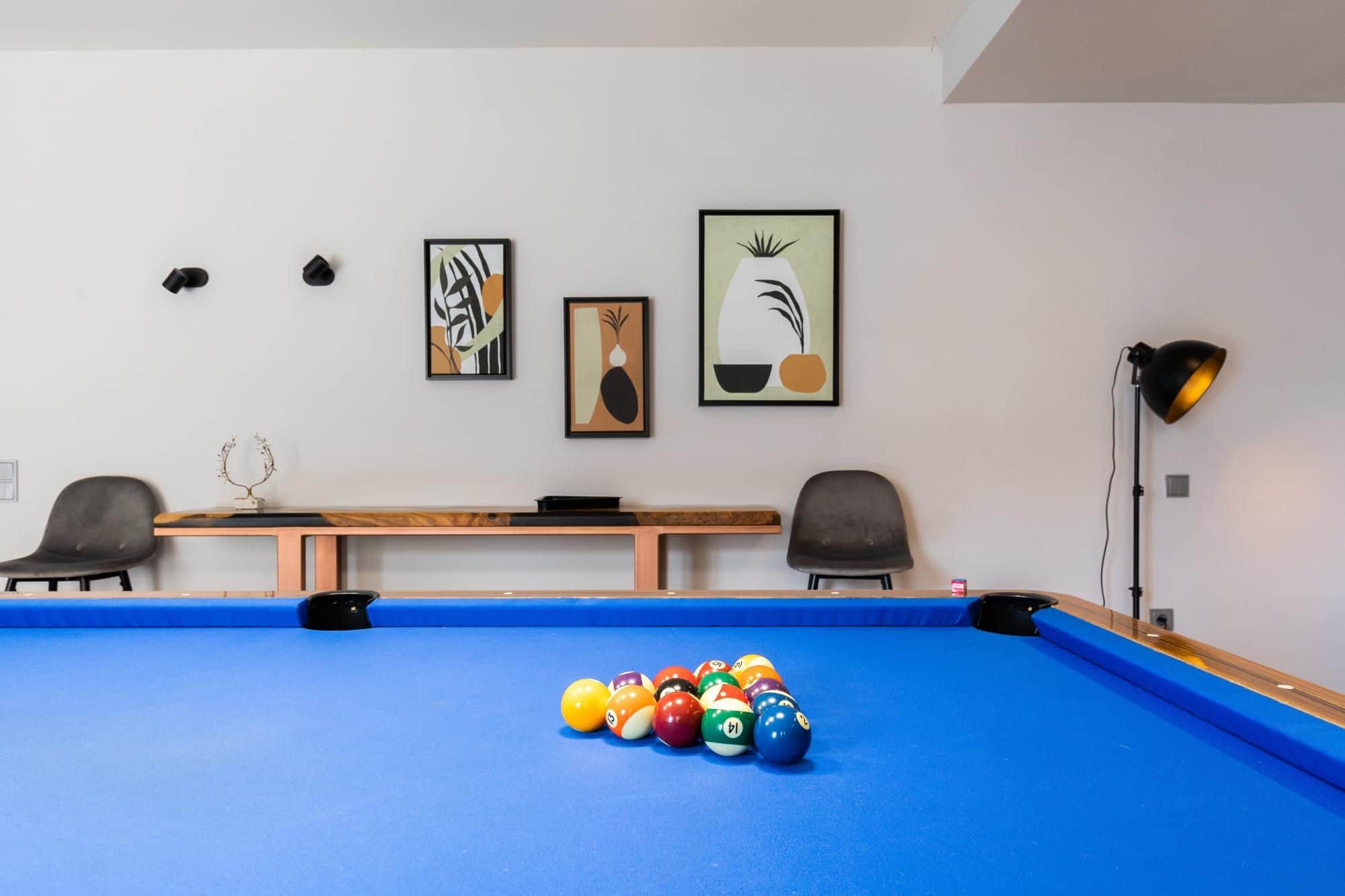 From €560
Lasithi
Blue Horizon Villa
10 guests · 4 bedrooms
View villaFor hidden-gem travel, location matters. A villa near Heraklion gives central access to inland villages, wine country and Dia Island sailing. A villa in western Crete works better for Chania, Ravdoucha, Balos and Elafonisi. A villa in eastern Crete suits Agios Nikolaos, Elounda, Richtis and quieter coastlines. If you want a base built around slow routes, My Creta Villa has properties near the main areas that make this kind of trip easy. Choose your stay based on the experiences you care about most, not only the villa photos.
Common Mistakes to Avoid
The first mistake is expecting hidden gems to be empty in August. Crete is popular, and timing matters.
The second mistake is choosing a remote beach without checking access. Some places need careful driving, walking or a more suitable vehicle.
The third mistake is planning too many hidden gems in one day. Quiet places lose their value when you rush between them.
The fourth mistake is ignoring food. In Crete, the meal often makes the route.
The fifth mistake is using the wrong base. A beach that is easy from Chania may be exhausting from Heraklion.
The sixth mistake is treating famous places as failures because they are not secret. Balos, Elafonisi and Matala can still be worth visiting if you plan them honestly and pair them with quieter stops.
Final Thoughts
Hidden gems in Crete are not about collecting secret names. They are about finding better travel days.
A quiet beach, a gorge with water, a village lunch, a south coast drive, an east Crete route or a hidden food stop can show you more of the island than another rushed landmark. The key is to plan around your base, your season and your energy. When you want the quiet corners without the logistics, an inland safari, a village-focused food day or an off-the-beaten-path boat trip does the planning for you.
Crete is at its best when you leave space between experiences. Choose fewer places, travel at the right time of day and let the route matter as much as the destination. That is how hidden gems in Crete stop being just a search phrase and become the part of the trip you remember most.
Frequently asked questions
What are the best hidden gems in Crete?
They are usually quiet beaches, inland villages, small gorges, local food stops and scenic routes. Richtis Gorge, Ravdoucha Beach, the Lasithi and Psiloritis villages and the east coast around Agios Nikolaos all feel quieter than the headline sights, and a guided safari or village tour makes them easier to reach.
How much do hidden-gem experiences in Crete cost?
Most bookable tours run from about 52 euros for a village wine tasting to around 89 to 100 euros for jeep, quad and hiking day trips, and up to about 160 euros for a full food and wine feast. Off-the-beaten-path boat trips start at 65 euros, with private and larger group options higher.
Which base is best for quiet villages and beaches?
Heraklion is the most central for inland villages, wine country and Dia Island trips. Chania suits Ravdoucha, Balos and Elafonisi. Agios Nikolaos and Lasithi are best for Richtis, Mirabello Bay, Spinalonga and quieter east coast routes. Rethymno gives balanced access to the south coast and central Crete.
Are hidden-gem tours suitable for families and couples?
Yes. Couples tend to prefer the afternoon boat departures that stay out for the sunset, wine tastings and slow village routes, while families do well with jeep safaris, gentle village days and calmer beaches. Choose short, varied stops for children, and quieter timing for a more romantic day.
Do these experiences include transport or pickup?
Many inland safaris, village tours and tasting days include or offer hotel pickup from the main resort areas, which removes the need to drive unfamiliar mountain roads. Check each listing for the departure point, pickup zone and vehicle before you book.
When is the best time to visit and should I book ahead?
Spring and early autumn are ideal for quiet beaches, villages and road trips. July and August still work with early starts and shaded lunches. Book ahead in high season, since smaller and semi-private experiences fill quickly when your dates are fixed.
Experiences you can book now
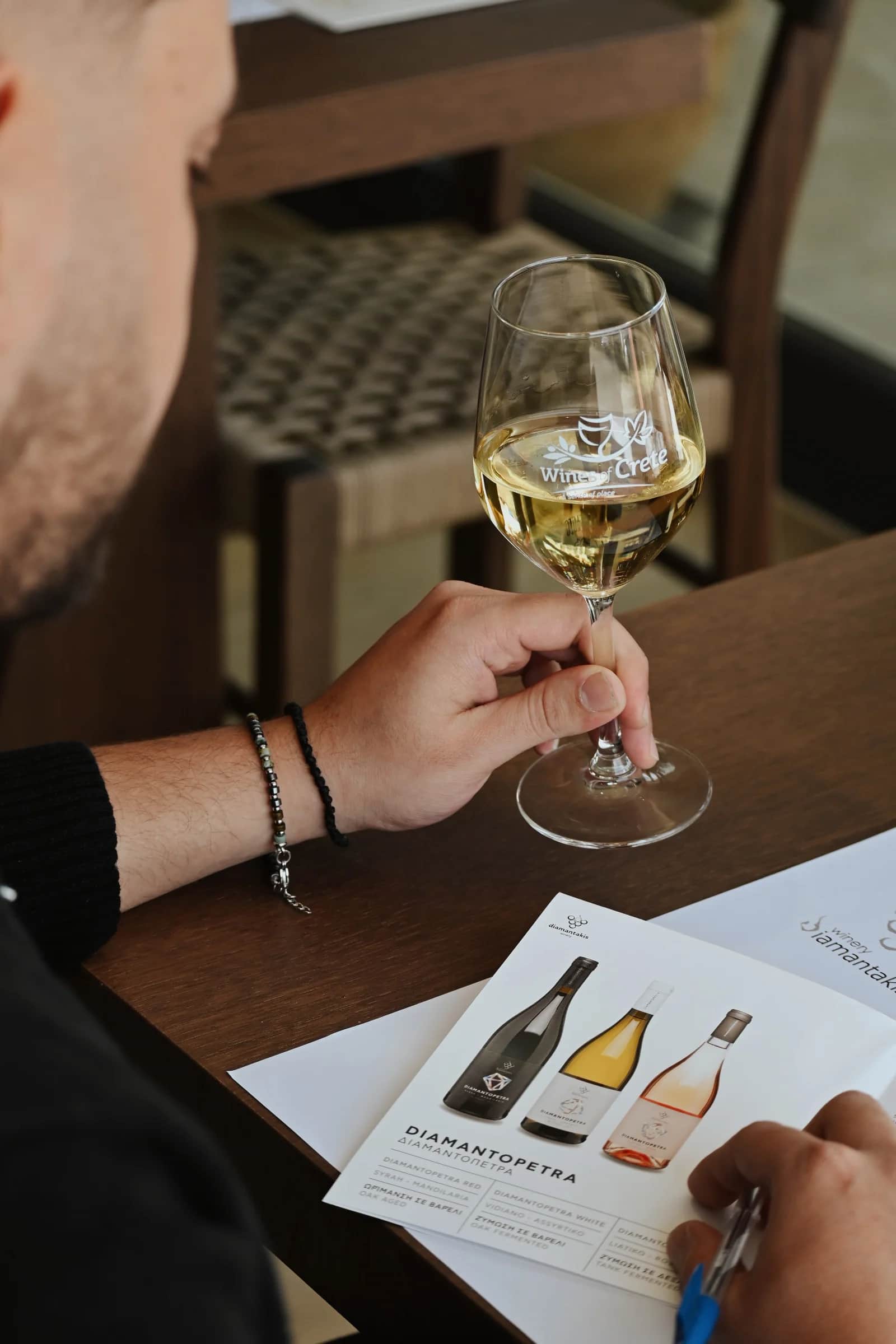 From €15
Heraklion, Crete · 1 hours
Tasting of 5 typical Cretan wines in Heraklion
Check availability From €15
Chania, Crete · 1 hours
Water Mill Cultural Tour & Tasting of local flavors in Chania, Crete
Check availability From €19
Heraklion, Crete · 1 hours
Cretan Wine Tasting near Heraklion
Check availability From €20
Chania, Crete · 1 hours
Small Premium Wine Tasting in Kolymvari, Chania
Check availability From €22
Heraklion, Crete · 1 hours