Olive Oil Tasting in Crete: Farms, Mills and Food
Quick Summary
-
Olive oil tasting in Crete is a food-focused activity that feels local and easy to combine with wineries, villages, cooking and villa stays.
-
Dedicated olive oil experiences run from about 29 euros for a straight tasting to 110 for a farm visit near Heraklion, with the Wine and Olive Oil Tasting with Lunch from Rethymno at about 140 euros the fullest day, plus farm tastings near Agios Nikolaos and a three-treasures route from Rethymno in between.
-
Choose a farm setting for landscape and family story, a mill focus for production, and a food pairing for taste and how the oil behaves at the table.
-
Bases matter: Rethymno and Heraklion connect most easily with tastings, wineries and inland food routes, with Chania and Lasithi good for slower days.
-
Prices across the food and wine experiences we sell run from about 29 to 160 euros per person depending on the format, lunch and location.
-
Book ahead in July and August, keep the day relaxed, and pair a tasting with a village, winery or old town so the day feels complete.
Introduction
Olive oil is not a side detail in Crete. It is part of the island's identity. You see it in the landscape before you taste it: hills covered with olive trees, old trunks with twisted shapes, family groves around villages, and mills that become busy during harvest season.
That is why olive oil tasting in Crete is very different from a quick food sample. A good tasting helps you understand how the island eats, farms and thinks about quality. You learn why some oils taste green and peppery, why freshness matters, how harvest timing changes flavour, and why Cretan families speak about olive oil with the same seriousness others reserve for wine.
For travellers, this kind of experience works especially well because it is flexible. It suits couples, families, food lovers, villa guests, slow travellers and anyone who wants a meaningful activity away from crowded beaches. It can be short and simple, or it can become part of a full food day with a winery stop or village lunch.
If you want to see what actually leaves the food routes of the island, you can browse wine and olive oil tastings in Crete before you narrow down a day.
Wine and olive oil tastings in Crete
 From €140
Rethymno, Crete · 5 hours
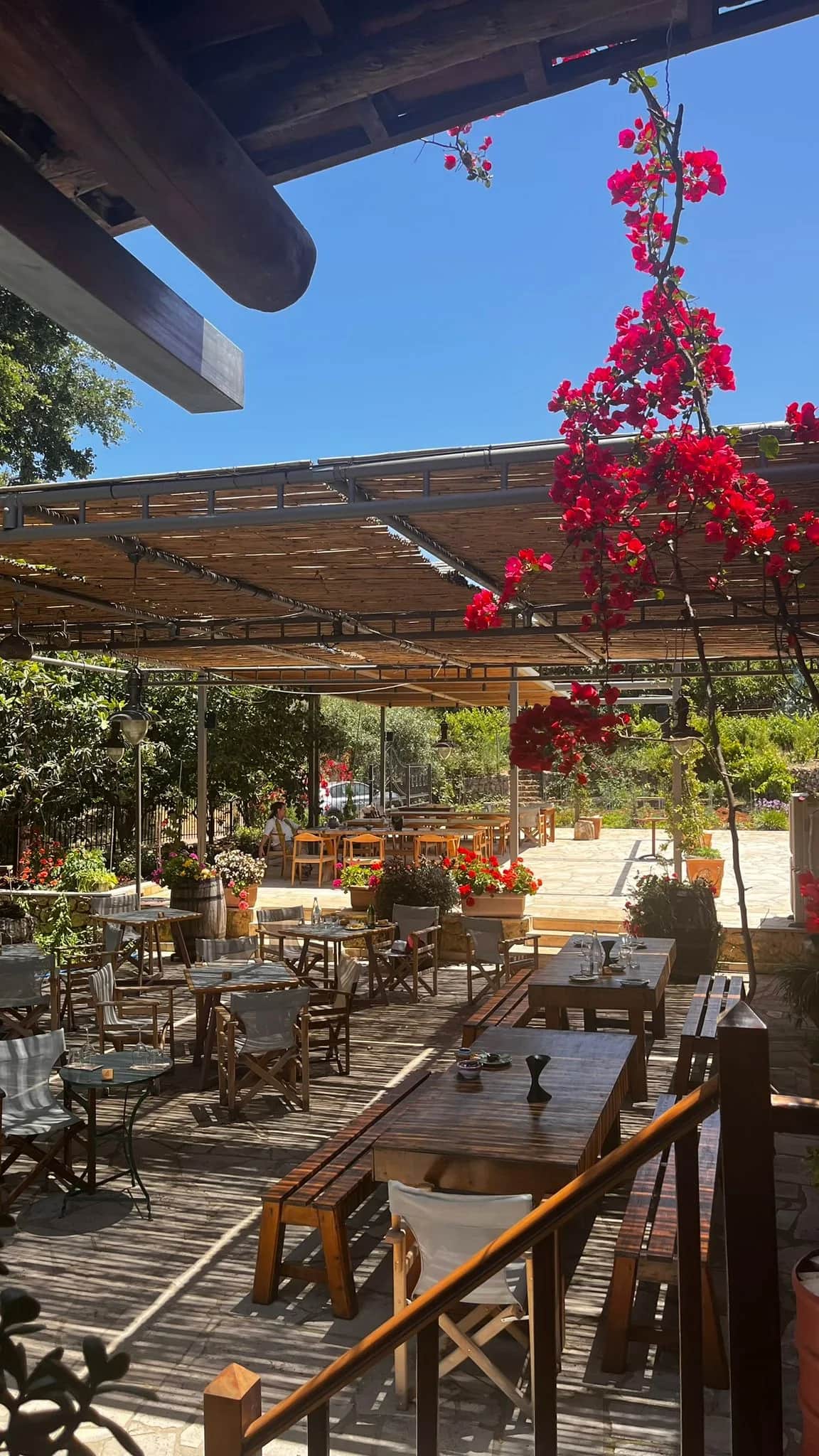
Wine & Olive oil Tasting with Lunch from Rethymno
Check availability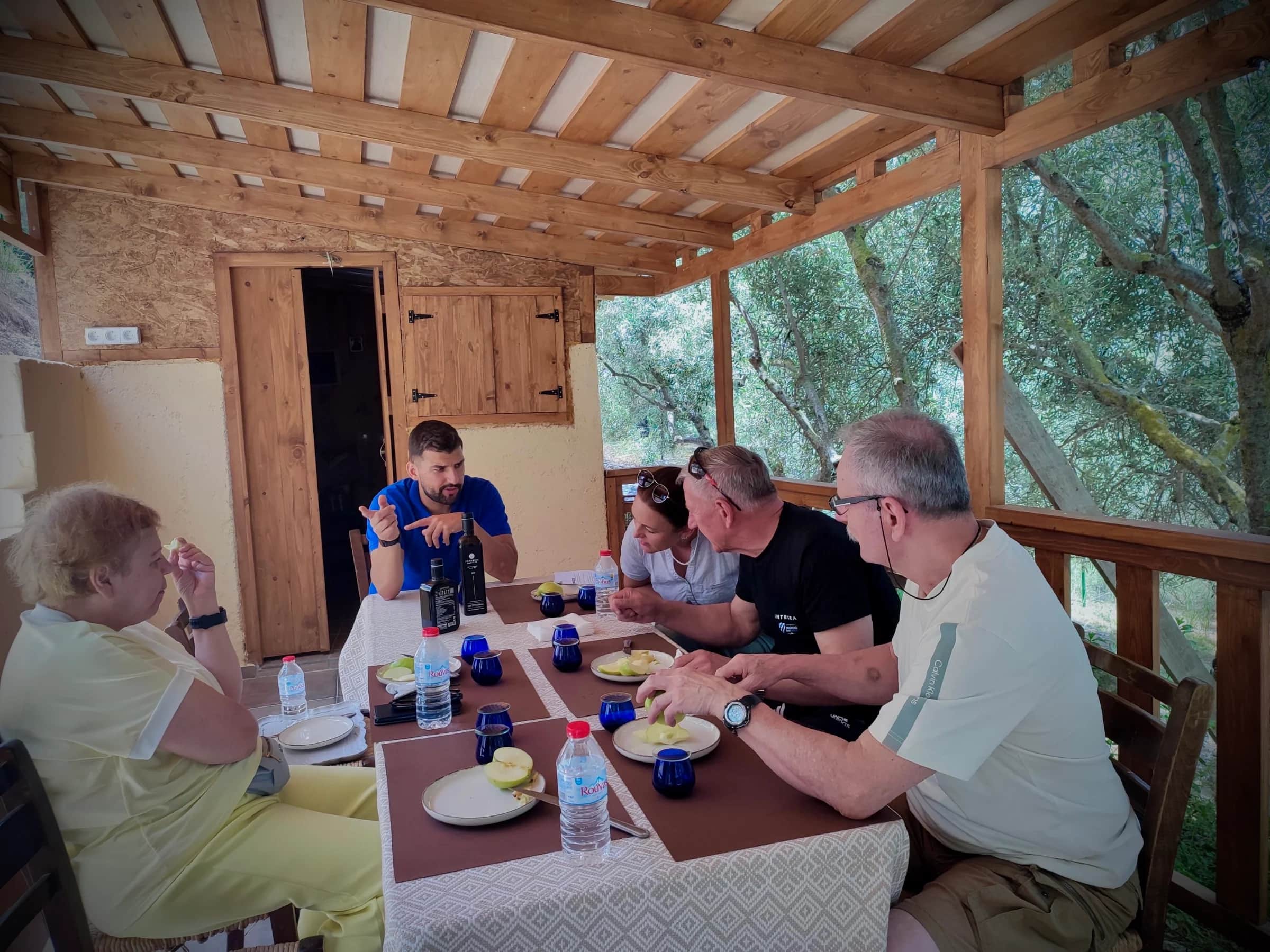 From €29
Crete · 2 hours
Authentic Olive Oil Tasting Experience in Crete
Check availability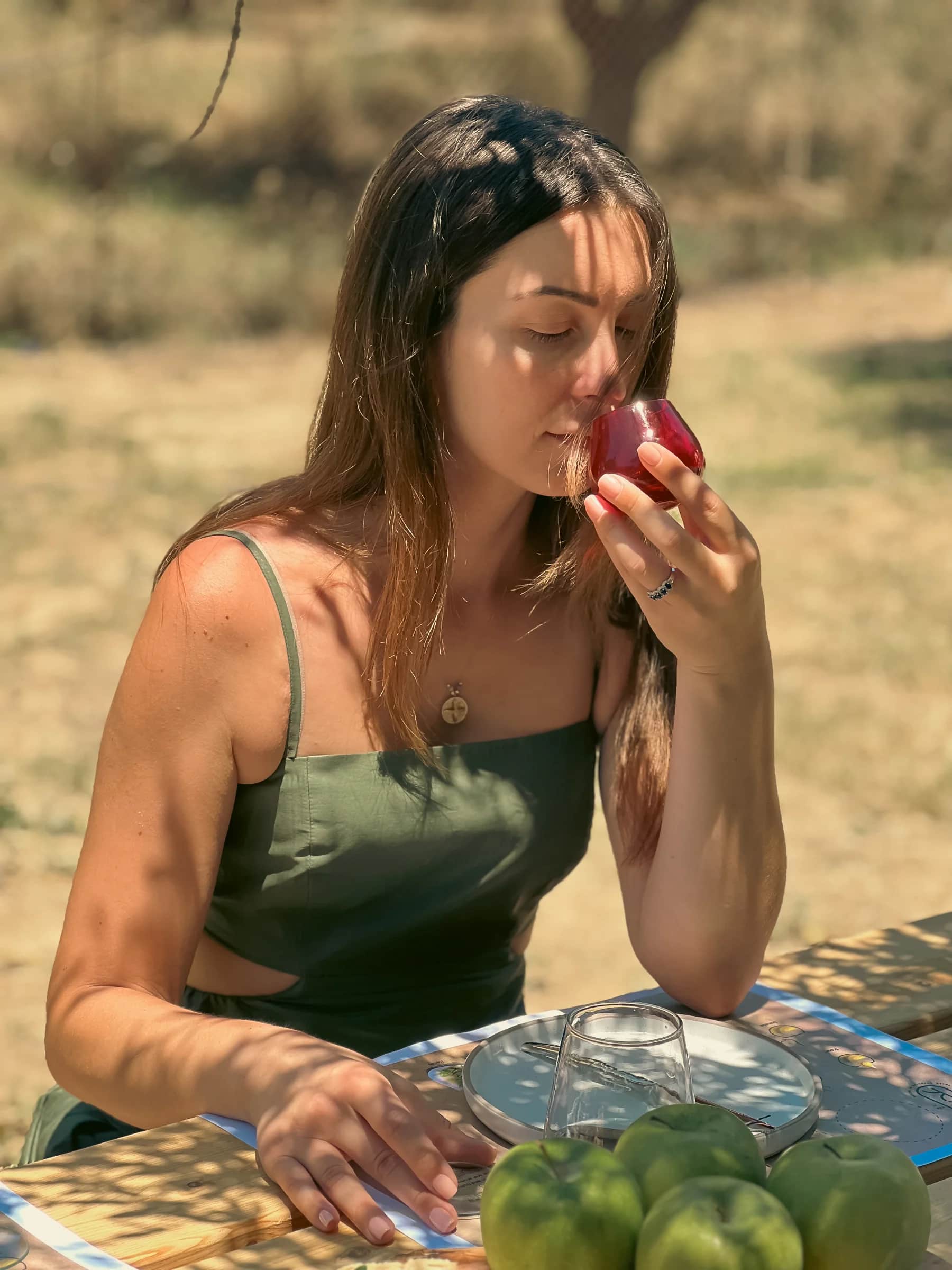 From €60
Crete · 2 hours
Cretan Olive Oil Tasting & Farm Experience in Αgios Nikolaos
Check availability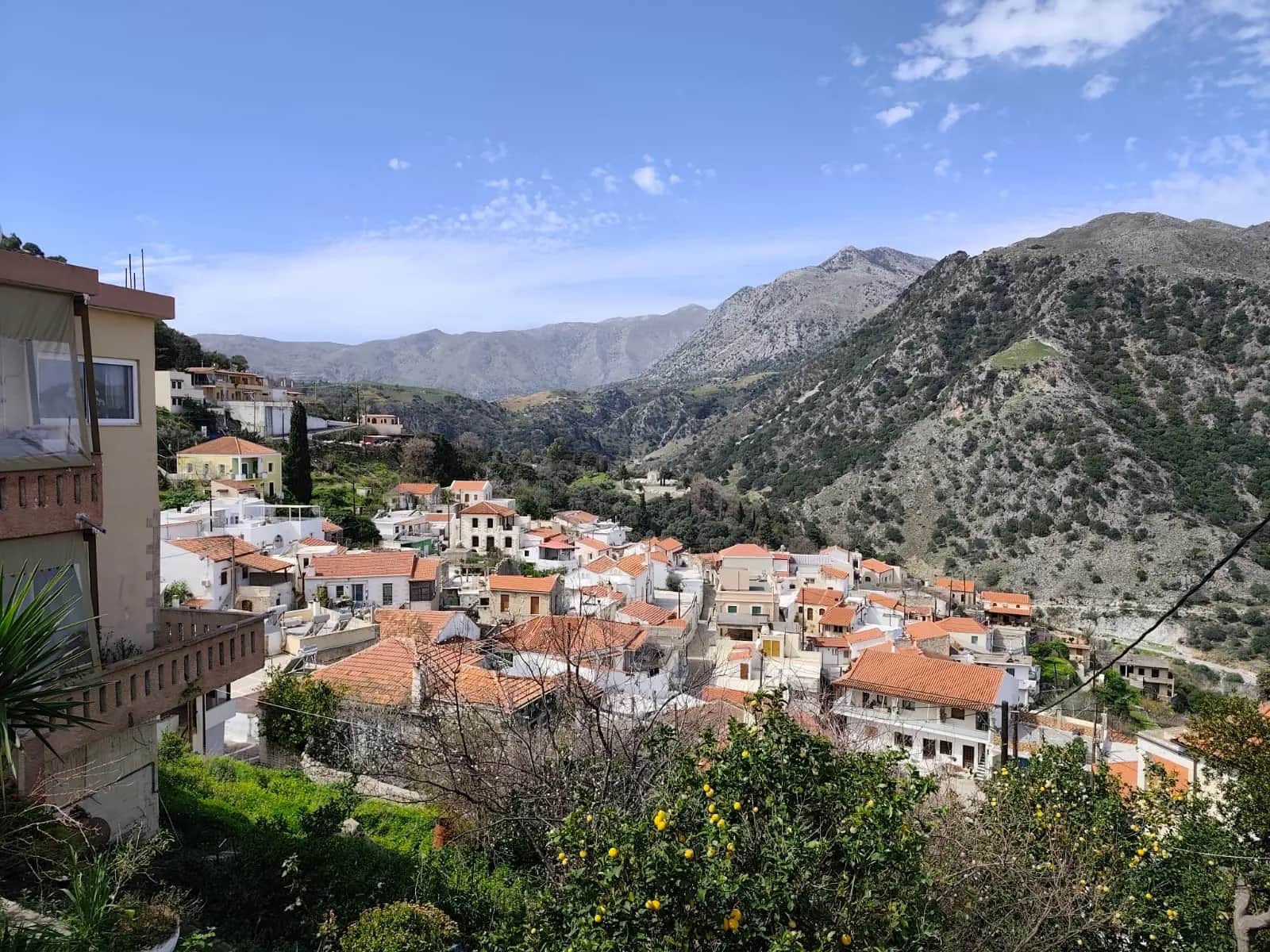 From €105
Rethymno, Crete · 4 hours
From Rethymno; Olive Oil, Carob and Water: The Three Treasures of Cretan Land
Check availability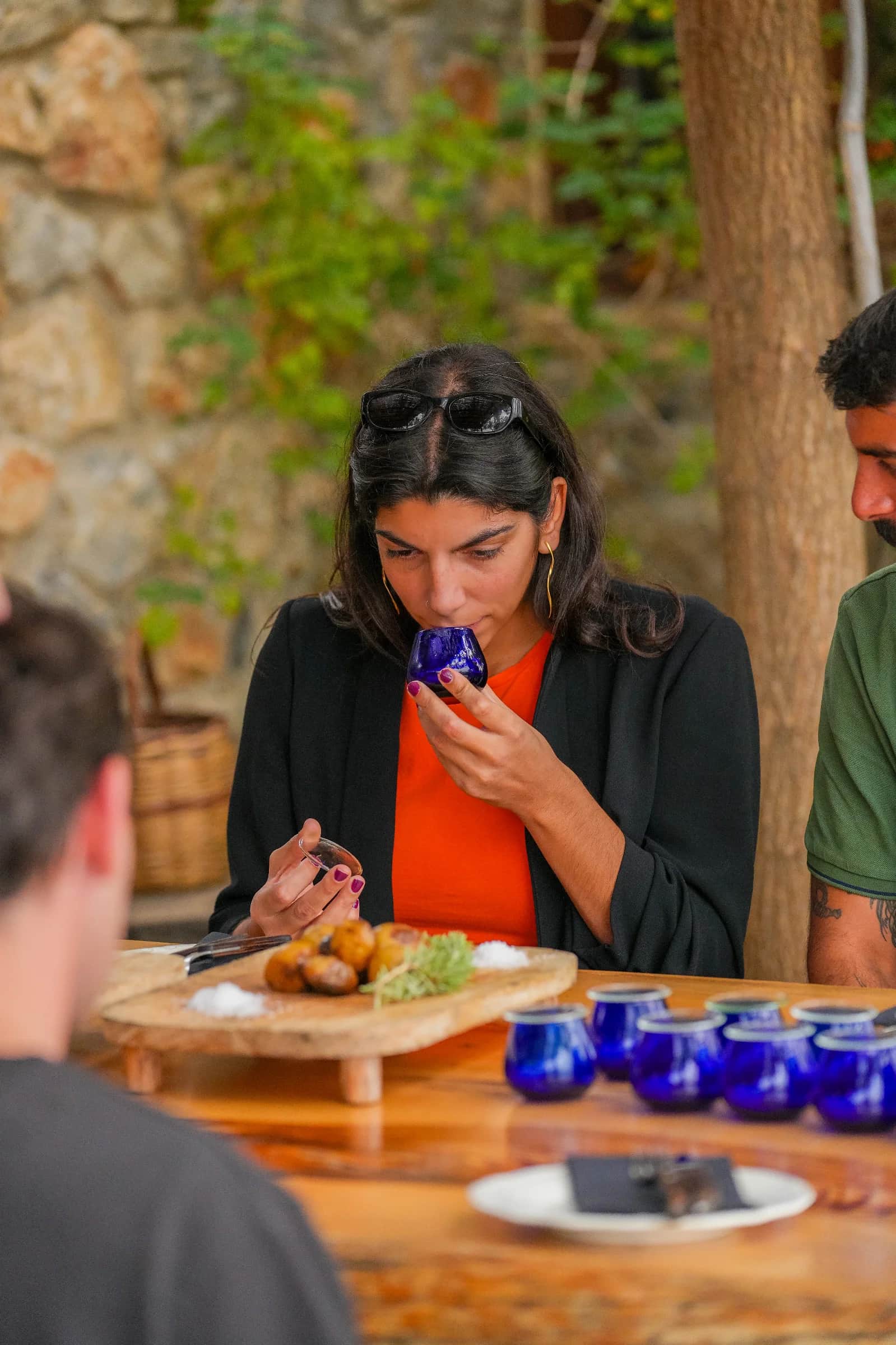 From €110
Heraklion, Crete · 3 hours
Olive Oil Tasting & Farm Experience in Heraklion, Crete
Check availabilityWhy Olive Oil Tasting Belongs on Your Trip
Many visitors arrive in Crete expecting beaches, old towns and archaeological sites. They leave remembering the food. Olive oil is one of the reasons why.
Cretan cuisine depends on olive oil in a direct, everyday way. It is used with salads, cooked vegetables, pulses, pies, bread, wild greens, fish, meat, cheese and simple dishes that become much better because the oil is good. In many homes and tavernas, olive oil is not treated as a luxury product. It is treated as a foundation.
An olive oil tasting helps you notice details you might otherwise miss during meals. You begin to understand why one oil feels fruity, another feels sharper, and another leaves a peppery sensation at the back of the throat. You also learn why not every bottle labelled Greek olive oil tells the whole story.
For travellers who already enjoy wine tasting, olive oil tasting feels familiar but more grounded. There is aroma, flavour, quality, production and terroir, but the experience usually feels less formal. It is often hosted on a family-run farm, in a small mill, or in a rural setting where the trees are part of the story.
Does Crete Have Good Olive Oil?
Yes, Crete has very good olive oil. The island has a long olive-growing tradition, a climate well suited to olive trees, and a food culture where olive oil is used daily rather than occasionally.
Cretan olive oil is often valued for its freshness, fruitiness and balance. Many producers focus on extra virgin olive oil, which means the oil is made through mechanical methods and must meet specific quality standards. The best oils are not just smooth. They often have aroma, bitterness and peppery notes, which are signs of character rather than faults.
The quality depends on many factors: the olive variety, the health of the fruit, harvest timing, how quickly olives reach the mill, temperature control, storage and bottling. This is why a tasting is useful. It teaches you that good olive oil is not only about where it comes from, but how carefully it is handled.
Crete also has a strong advantage for visitors: olive trees are everywhere. You do not need to visit a distant specialist region to understand olive oil. In many parts of Heraklion, Rethymno, Chania and Lasithi, olive groves are part of the normal countryside.
Why Is Olive Oil from Crete So Special?
Cretan olive oil feels special because it is tied to daily life, not only to export bottles and gift shops. Families often have their own olive groves or know someone who does. Harvest is a real season. Mills are part of the village rhythm. Olive oil appears on the table again and again, from breakfast bread to slow-cooked dishes.
The island's climate also plays a major role. Long sunny periods, mild winters in many areas, mountain slopes, sea influence and varied soils all contribute to olive cultivation. The result is not one single flavour, but a wide range of Cretan oils depending on region, altitude, harvest moment and producer style.
Another reason is food culture. In Crete, olive oil is not separated from the meal. It is tasted with bread, vegetables, cheese, herbs, legumes and seasonal dishes. A good tasting experience should help you connect oil with actual food, not only sip it from a glass. That connection is what makes Cretan olive oil meaningful for travellers. You are not just learning how olive oil is made. You are learning why Cretan food tastes the way it does.
What Happens During an Olive Oil Tasting?
A typical olive oil tasting in Crete may include several parts, depending on the experience.
You may start with a walk through an olive farm or grove, where the host explains the trees, the harvest period and the difference between older and newer farming methods. Some hosts focus on family history, showing how olive growing has passed from one generation to the next.
You may then learn about olive oil production. This can include how olives are collected, cleaned, crushed, separated and stored. Some experiences compare older oil-making methods with modern production, which helps visitors understand how quality has improved over time.
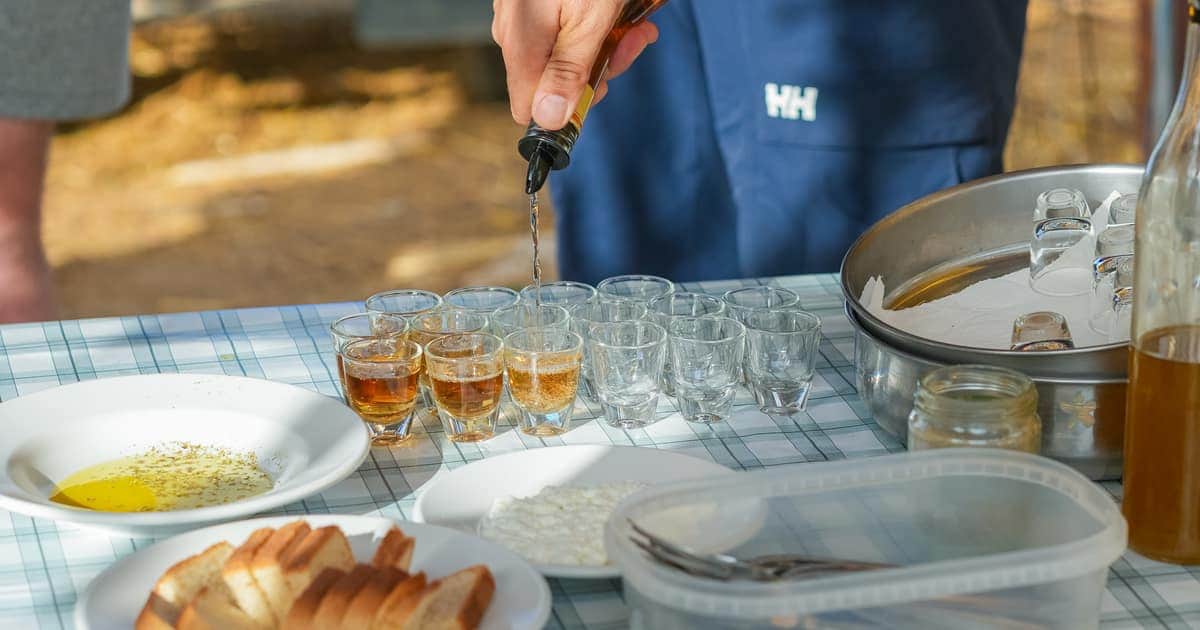
The tasting itself usually focuses on aroma and flavour. You may be shown how to warm the cup slightly in your hand, smell the oil, taste a small amount and notice bitterness or pepperiness. These sensations can surprise first-time visitors because many people are used to mild supermarket oils. Many tastings also include bread, tomatoes, cheese, olives, herbs, rusks or cooked dishes, which show how olive oil works in real Cretan food.
If the tasting itself is what interests you most, the authentic olive oil tasting experience at 29 euros is the most direct version of exactly this, without the full-day commitment.
Farm, Mill or Food Experience?
Not all olive oil experiences are the same. Choosing the right format makes a big difference.
Olive Farm Setting
A farm or grove setting is the best choice if you want landscape, trees and family story. You see where the olives grow, understand the work behind cultivation and get a more personal sense of rural Crete. This suits couples, families and travellers who want a relaxed countryside activity, and it is also good for photography, village routes and slower travel days. The olive oil tasting and farm experience near Heraklion at 110 euros is the fullest version of this format, and there is a gentler farm tasting near Agios Nikolaos at 60.
Olive Mill and Production Focus
A mill or production focus is better if you are interested in oil making. You learn how olives become oil, what affects quality and why timing matters after harvest. This is a strong choice for food lovers who want more technical insight. During harvest season the atmosphere may be more active, although access depends on the schedule.
Olive Oil and Food Pairing
A pairing experience is ideal if your main interest is taste. It may include bread, vegetables, cheese, herbs, local products or a full lunch. This format is often more enjoyable for travellers who want to understand how olive oil and wine fit into Cretan cuisine, and it is the format most of the bookable food and wine days on our list follow.
Wine and Olive Oil Together
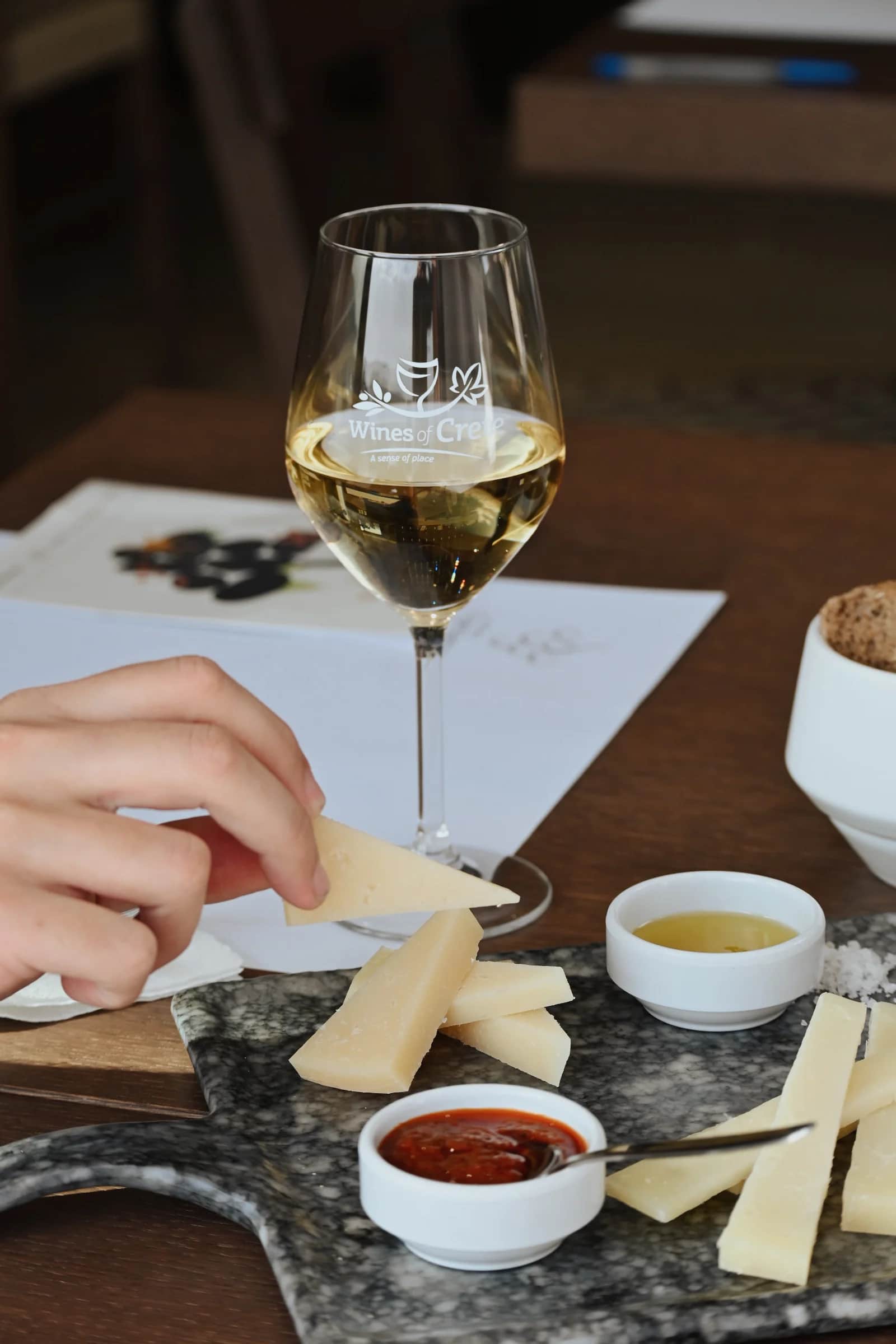
Because Crete grows both grapes and olives, several experiences combine them into one day. You taste wines alongside oil, bread and local dishes, which gives a fuller picture of the island's table than either on its own.
Best Areas in Crete for Olive Oil Tasting
Rethymno Region
Rethymno works well for travellers who want a balanced base. You can combine old town atmosphere with countryside routes, villages, mills and farm visits. It is also practical for families because distances can be more manageable if you choose your base carefully. This is the region where the tasting at the top of our list departs, pairing oil and wine with a sit-down lunch, and there is also the olive oil, carob and water route from Rethymno at 105 euros, which treats oil as one of three treasures of the Cretan land.
Heraklion Region
Heraklion is one of the most practical areas for olive oil tasting because it connects easily with food experiences, wineries, Knossos, villages and inland routes. If you are staying near Heraklion, Hersonissos, Gouves, Agia Pelagia or Archanes, a food and wine day can fit into a half-day or full-day plan. The inland villages around the region give a better sense of rural Crete than the busy north coast, and family wineries here pair oil, wine and local food in one visit.
Chania Region
Chania offers beautiful old town evenings and strong day trip options, but a food tasting adds a different layer to the trip. It helps you move beyond the harbour and beaches into the countryside. For couples and families staying in Chania, a farm or food experience can be a good contrast to beach days at Falassarna, Elafonissi or the west coast.
Lasithi Region
Lasithi is a good choice for slower travel, sea views and quieter countryside. A food tasting here can pair with Agios Nikolaos, Elounda, Spinalonga, mountain villages or a scenic drive. This region suits travellers who want Crete to feel calm and open rather than packed with activities.
How to Taste Olive Oil Like You Know What You Are Doing
You do not need to be an expert to enjoy olive oil tasting. A few simple steps help.
First, smell the oil. Good olive oil often has aromas that remind people of grass, herbs, green tomato, fruit or leaves. The exact aroma depends on the oil.
Second, taste a small amount. Let it cover your mouth. You may notice fruitiness first, then bitterness, then a peppery feeling in the throat. Bitterness and pepperiness can be positive signs, especially in fresh extra virgin olive oil.
Third, taste it with food. Bread is useful, but vegetables, cheese, tomatoes, greens or rusks give a better picture of how the oil behaves at the table.
Fourth, ask about harvest date and storage. Freshness matters. Olive oil does not improve with age like wine, and it should be protected from heat, light and air. Finally, do not judge quality only by colour, because colour can vary and is not the most reliable sign of a good oil.
Can I Bring Back Olive Oil from Greece?
In most cases, travellers can bring olive oil back from Greece, but the details depend on your airline, luggage type and destination country's customs rules. Always check current rules before flying, especially if you are travelling outside the European Union.
For flights, olive oil is usually easier to transport in checked luggage because liquid limits apply to cabin baggage. Choose sealed bottles or tins, pack them carefully, and protect them from pressure and breakage. Many producers offer packaging suitable for travel, but it is still wise to wrap bottles well.
If you are buying olive oil as a gift, ask about bottle size, harvest date, best-before date and storage instructions. A smaller bottle of high-quality extra virgin olive oil is often a better gift than a large bottle of average oil. And do not leave olive oil in a hot car for hours during summer, because heat damages quality.
How to Choose a Good Tasting Experience
The best olive oil tasting experience is not always the longest or most expensive one. Look for clarity.
A good experience should explain where the olives come from, how the oil is made, what kind of oil you are tasting and how to recognise quality. It should also give you time to ask questions. If you care about production, choose a mill-focused visit. If you care about scenery, choose a farm setting. If you care about taste, choose a pairing or food experience. If you are travelling with children, choose a farm or hands-on format rather than a technical tasting only.
Also check location. Crete is large, and a tasting that looks close on a map may still involve winding roads. Choose an experience that fits your base and the rest of your day. To compare formats by area and inclusions rather than guessing, our experiences page groups every food and wine day by region.
Cretan wine and food pairing experiences
 From €30
Heraklion, Crete · 2 hours
Food and wine pairing course, introducing you to Cretan gastronomy in Heraklion
Check availability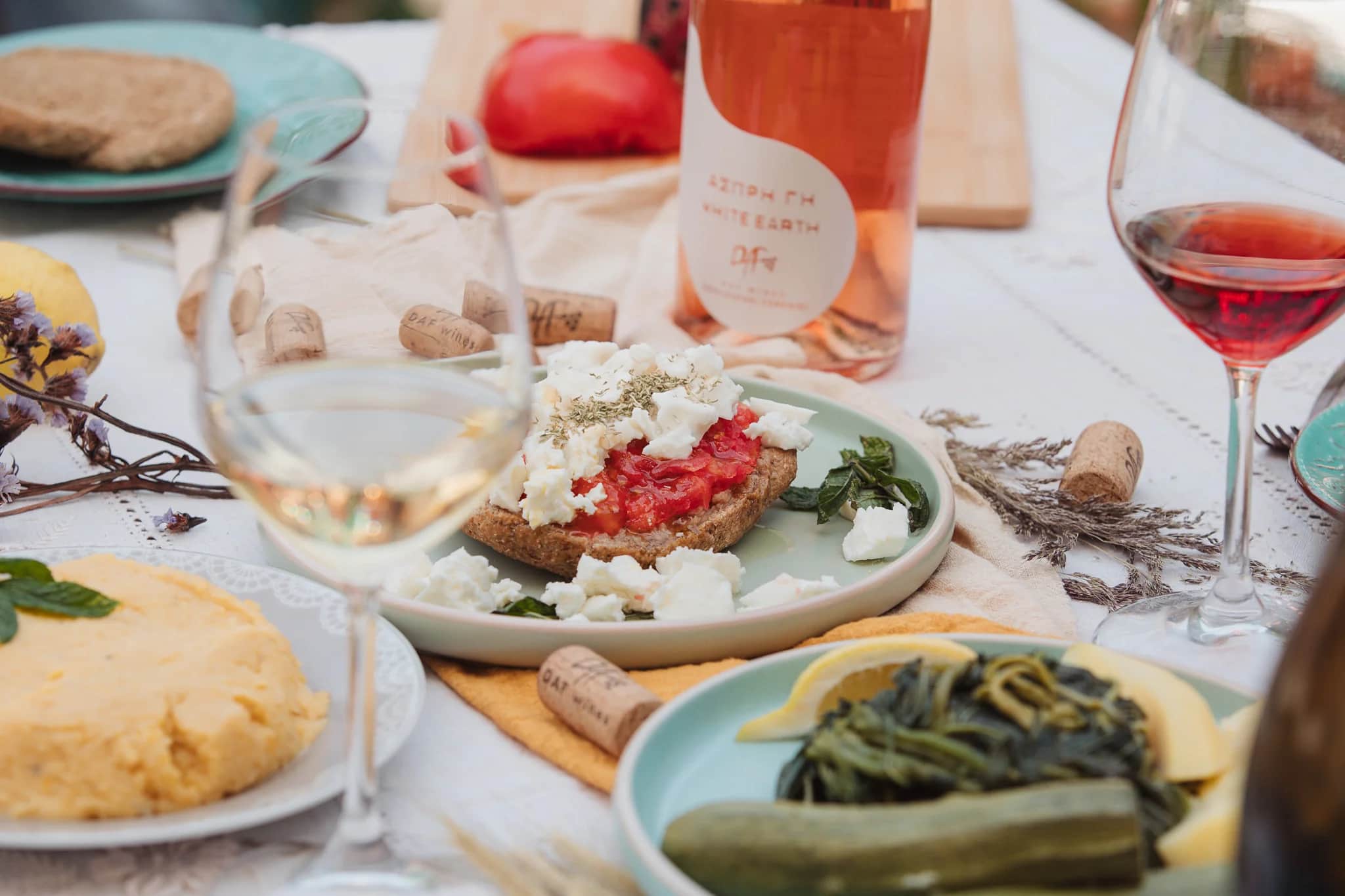 From €52
Heraklion, Crete · 2 hours
Cretan Wine Tasting with Food Pairing at Family Winery near Heraklion
Check availability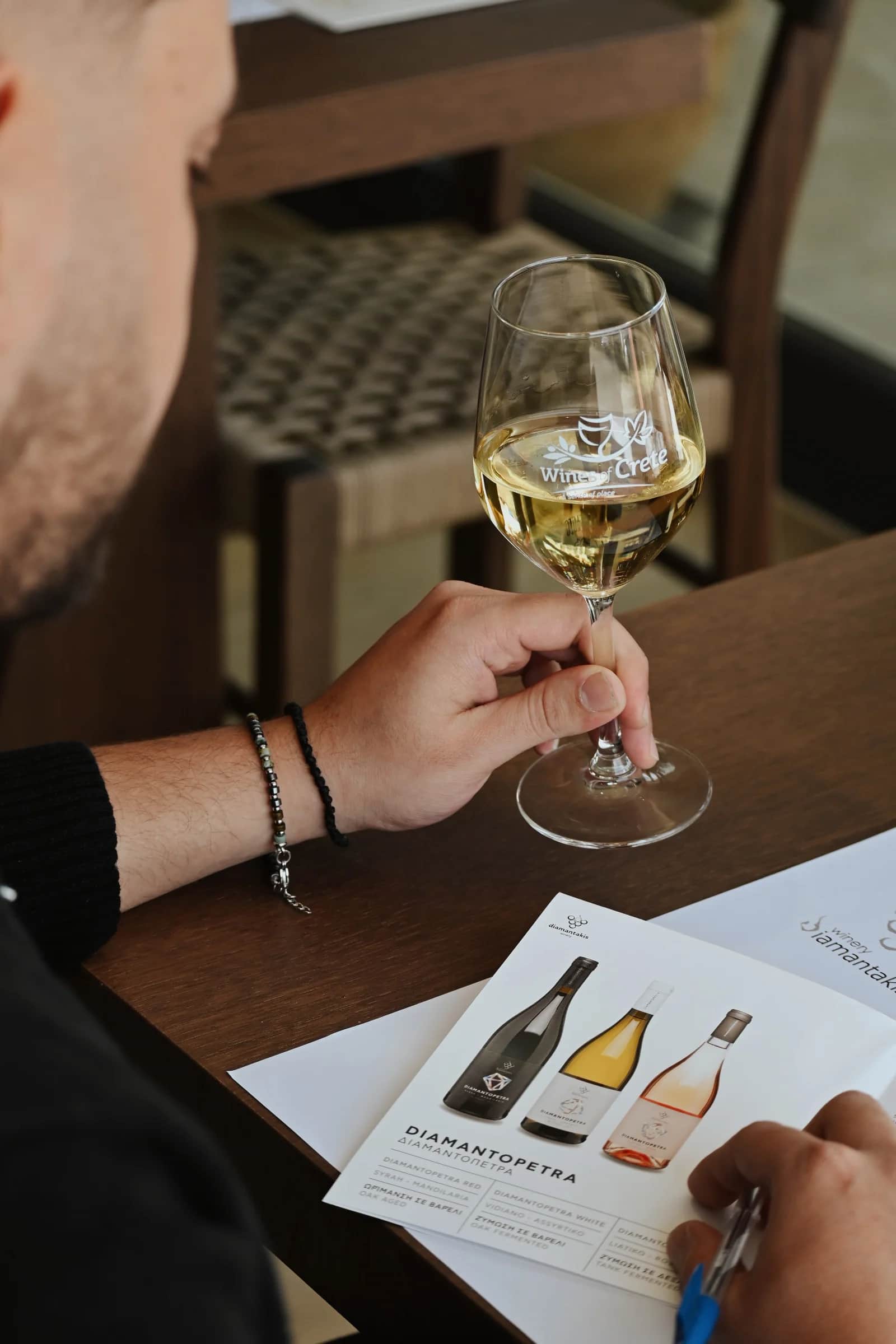 From €15
Heraklion, Crete · 1 hours
Tasting of 5 typical Cretan wines in Heraklion
Check availability From €19
Heraklion, Crete · 1 hours
Cretan Wine Tasting near Heraklion
Check availability From €20
Chania, Crete · 1 hours
Small Premium Wine Tasting in Kolymvari, Chania
Check availability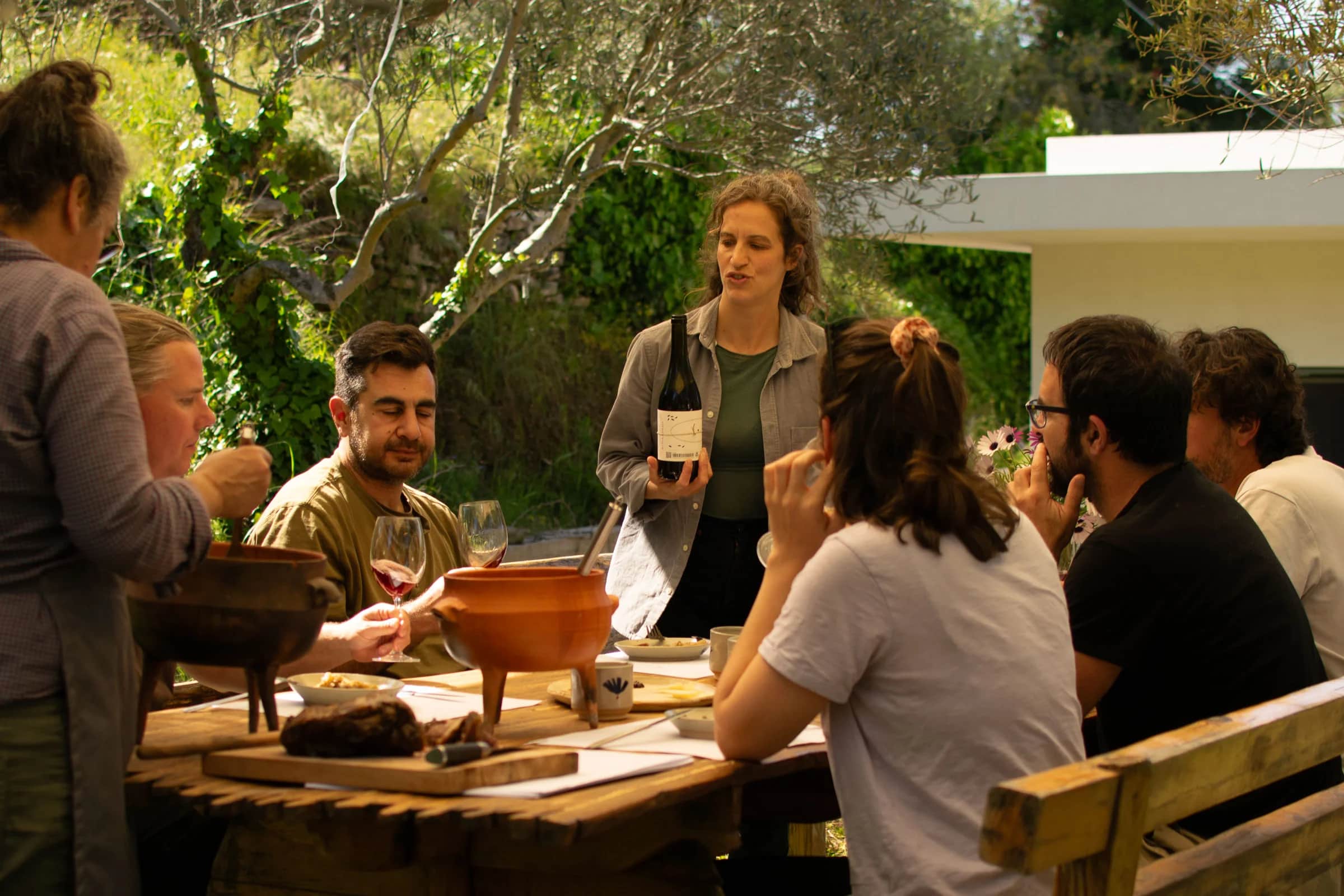
Olive Oil Tasting for Families
A food tasting can work very well for families when the format is active. Children may not care about tasting notes, but they often enjoy seeing trees, learning how olives become oil, walking through a farm, trying bread with oil or joining a simple food activity.
For younger children, keep the experience short and choose places with outdoor space. For older children, the production process can be interesting, especially if the host explains old and modern methods in a visual way. A family food experience pairs well with a villa stay because it gives children a break from beaches while still keeping the day relaxed, and it can also be combined with a village lunch or a winery stop. Our family guide to Crete sets out how a food day fits into a week with children.
Olive Oil Tasting for Couples
For couples, olive oil tasting is a quieter alternative to a full wine tour. It feels intimate, local and easy to build into a slow day. You can pair it with a countryside drive, a winery, a cooking class or dinner in an old town.
It is especially good for couples who enjoy food but do not want every activity to feel formal. A farm tasting with a few local products can become one of the most memorable parts of the trip because it connects landscape, flavour and conversation. If you are staying in a private villa, choose an experience within a reasonable drive and keep the rest of the day simple. A tasting, a village lunch and an evening swim can be enough — our couples guide pairs food afternoons with the rest of a slow day.
What to Eat with Cretan Olive Oil
Cretan olive oil is at its best when it is connected with simple food. During or after a tasting, look for pairings that show how the oil behaves.
Bread and rusks are the basic starting point. Tomatoes, cucumber, herbs, cheese, olives and wild greens reveal more. Cretan salad, dakos, boiled greens, beans, lentils, pies and seasonal vegetables all rely on olive oil for depth and texture. In Crete, olive oil is also used generously in cooked dishes, which surprises some visitors who think of olive oil only as a finishing ingredient. A tasting can help you understand why Cretan vegetable dishes and legumes often taste so rich without heavy sauces.
Common Mistakes to Avoid
The first mistake is treating olive oil tasting like a quick souvenir stop. A good tasting is about learning, not only buying. The second is choosing by location only. A nearby place may be convenient, but the format matters, so decide whether you want farm, mill, pairing or a full food day.
The third mistake is ignoring freshness. Ask about harvest date and storage, and keep oil away from heat, light and air. The fourth is buying a large quantity without tasting first, so try before you buy. The fifth is planning the tasting after a heavy lunch, since it is easier when your palate is fresh. The sixth is driving too far for a short experience, so pair the tasting with a village, winery or old town to make the day feel complete.
Where to Stay for an Olive Oil and Food Trip
If food is a priority, do not choose your stay only by beach access. A good base can make olive oil tasting, wineries and village meals much easier.
Heraklion works well for food-focused travellers because it connects with inland villages, wineries, Knossos and Dia Island sailing — our list of the best experiences in Crete shows how a food day slots between sea and mountain days. Rethymno is useful if you want balance between old town, countryside and access to both central and western Crete, and it is where the headline olive oil tasting in our catalogue departs. Chania is excellent for atmosphere, but choose carefully if you plan many inland food routes. Lasithi suits slower travellers who want calm sea days and countryside drives.
My Creta Villa — our own villa company — is a strong option if you want a private base for a food-led Crete trip. A villa gives you space, a kitchen and the chance to actually use the olive oil, herbs, cheese and local products you discover during your stay. For the best result, match your villa area with your planned experiences, then add tastings, wine tours or a food day nearby.
Where to stay: private villas in Crete
My Creta Villa is our own villa company — same family as this guide.
 From €570
Milatos, Lasithi
Villa Avia
12 guests · 5 bedrooms
View villa From €450
Lasithi
Iris Stone Built Villa
9 guests · 3 bedrooms
View villa From €400
Heraklion
Luxury Villa Kopsas
8 guests · 4 bedrooms
View villa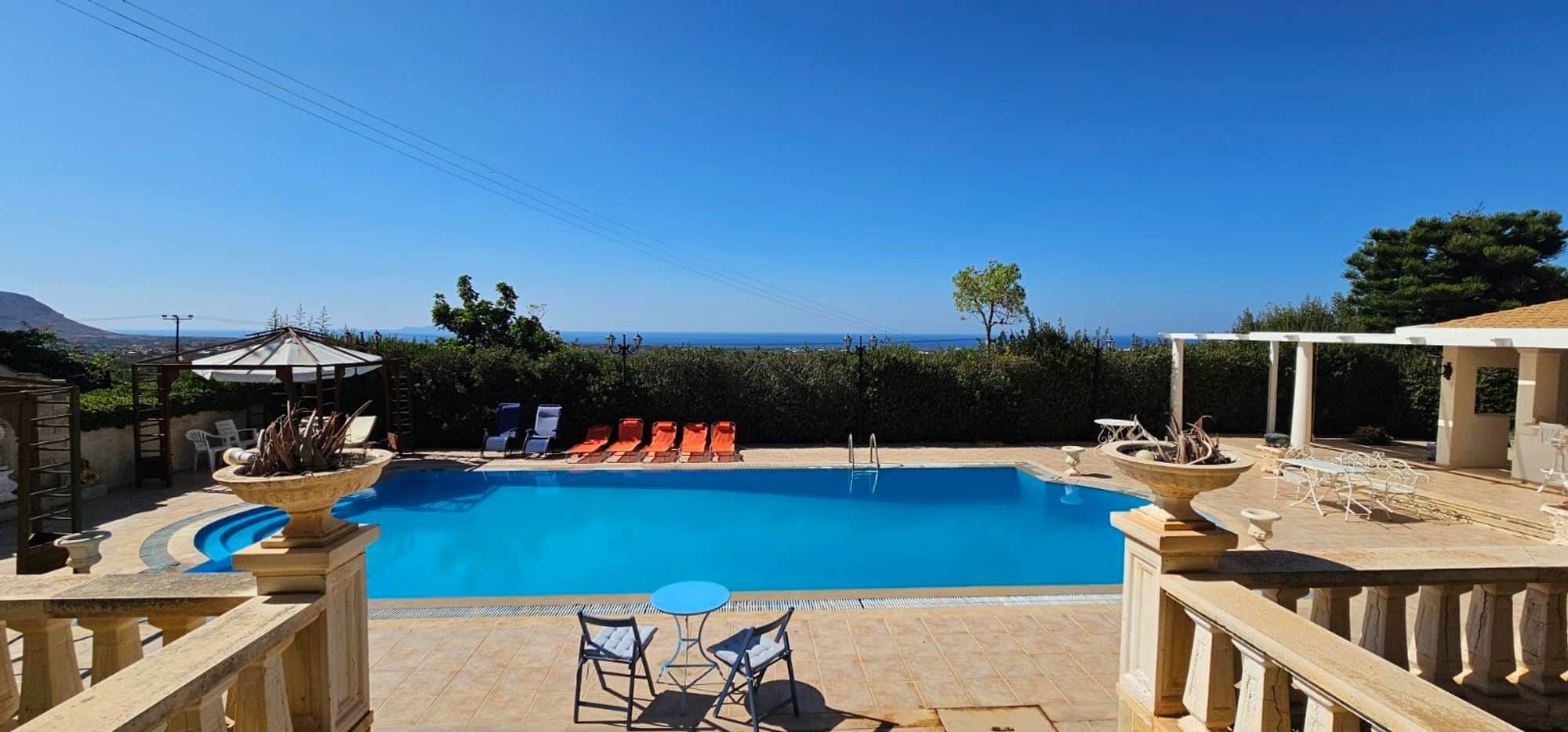 From €650
Heraklion
Palazzo Reale Superior Villa
13 guests · 7 bedrooms
View villa From €430
Heraklion
Stone and Wood Villa
10 guests · 4 bedrooms
View villa From €560
Lasithi
Blue Horizon Villa
10 guests · 4 bedrooms
View villaFor a food day that pairs oil and wine with a countryside lunch, the wine and olive oil tasting from Rethymno is the most direct fit near a central or western base.
Final Thoughts
Olive oil tasting in Crete is one of the simplest ways to understand the island more deeply. It connects the landscape with the table, the village with the meal, and the family farm with the bottle you may take home.
Crete has excellent olive oil, but the real value of a tasting is learning why. You begin to notice freshness, aroma, bitterness, pepperiness, harvest timing, storage and the difference between ordinary oil and oil made with care. Whether you are travelling as a couple, family or group of friends, an olive oil experience can fit easily into a Crete itinerary. Choose the right format, keep the day relaxed, and let the tasting lead you into the wider food culture of the island.
Frequently asked questions
What olive oil experiences can I actually book in Crete?
There are dedicated olive oil tastings from about 29 euros, farm experiences near Heraklion and Agios Nikolaos at 110 and 60 euros, the olive oil, carob and water route from Rethymno at 105, and the Wine and Olive Oil Tasting with Lunch from Rethymno at 140, which pairs oil and wine with a full meal.
How much does an olive oil and food tasting in Crete cost?
The olive oil and food experiences we list run from about 29 euros for a focused tasting, through 60 to 110 for farm visits, up to around 140 to 160 euros for a fuller day such as the wine and olive oil tasting with lunch from Rethymno or a wine tasting with a Minoan feast.
Which base is best for olive oil tasting?
Rethymno and Heraklion are the most practical, since both connect easily with wineries, inland villages and food routes. Chania and Lasithi work well for slower days and can be paired with old town evenings or scenic drives.
Is olive oil tasting good for families and couples?
Yes. Families do best with a farm or hands-on food format where children can see trees, taste bread with oil and stay outdoors. Couples often prefer a quieter tasting or a wine and food pairing paired with a countryside drive or old town dinner.
Is transport or pickup included?
It depends on the experience. Some food and wine days include transfers from set areas, while others meet at the winery or farm. Check the listing for pickup areas and duration, and choose a tasting that fits your base so you are not driving far for a short visit.
When is the best time to go and should I book ahead?
Tastings run through the warmer months, and harvest season in autumn can make mills and farms feel more active. Book ahead in July and August when the best food and wine days fill quickly, especially if your dates are fixed.
Experiences you can book now
From €15Heraklion, Crete · 1 hours
Tasting of 5 typical Cretan wines in Heraklion
Check availability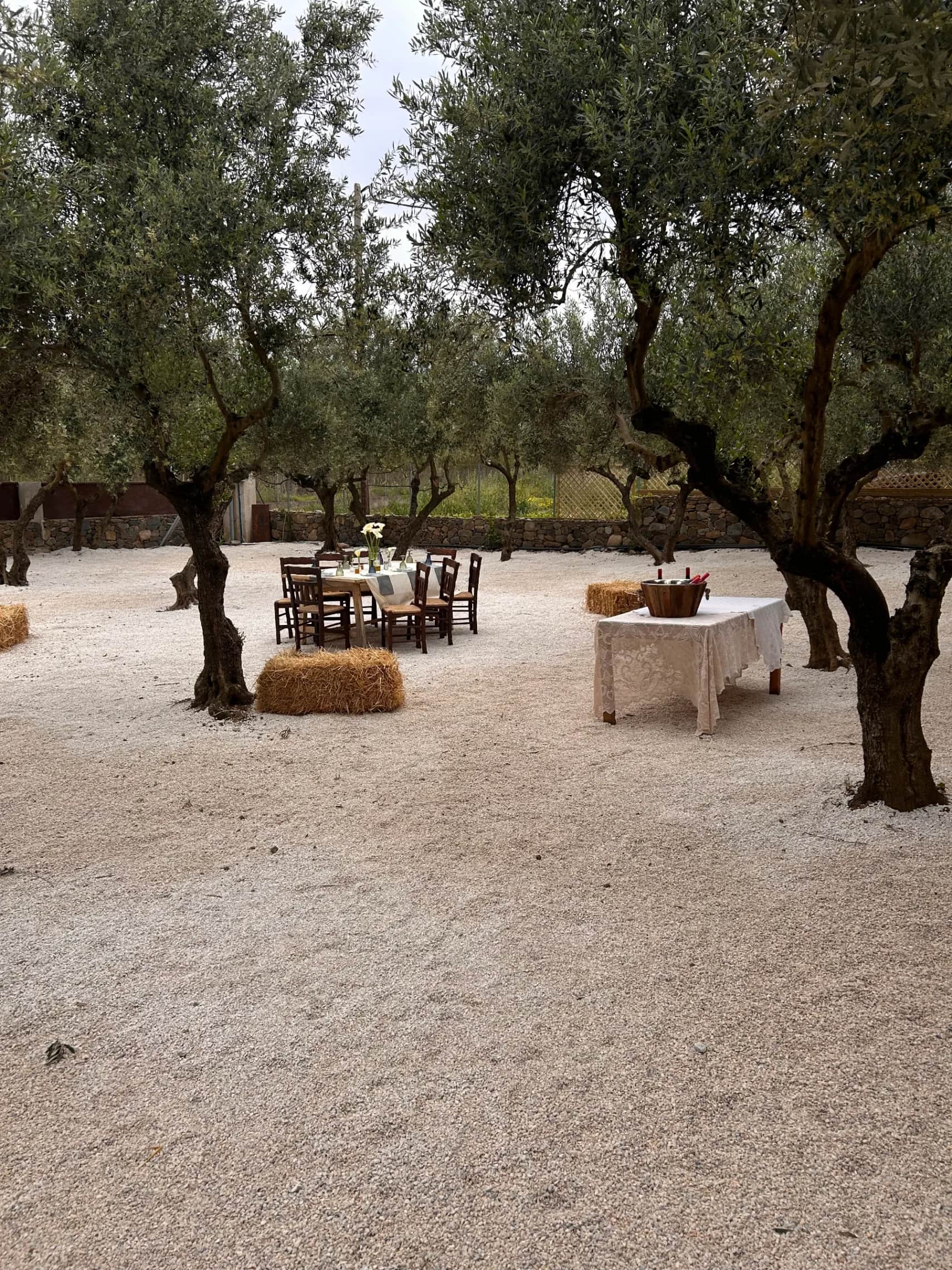 From €15
Chania, Crete · 1 hours
Water Mill Cultural Tour & Tasting of local flavors in Chania, Crete
Check availabilityFrom €19Heraklion, Crete · 1 hours
Cretan Wine Tasting near Heraklion
Check availabilityFrom €20Chania, Crete · 1 hours
Small Premium Wine Tasting in Kolymvari, Chania
Check availability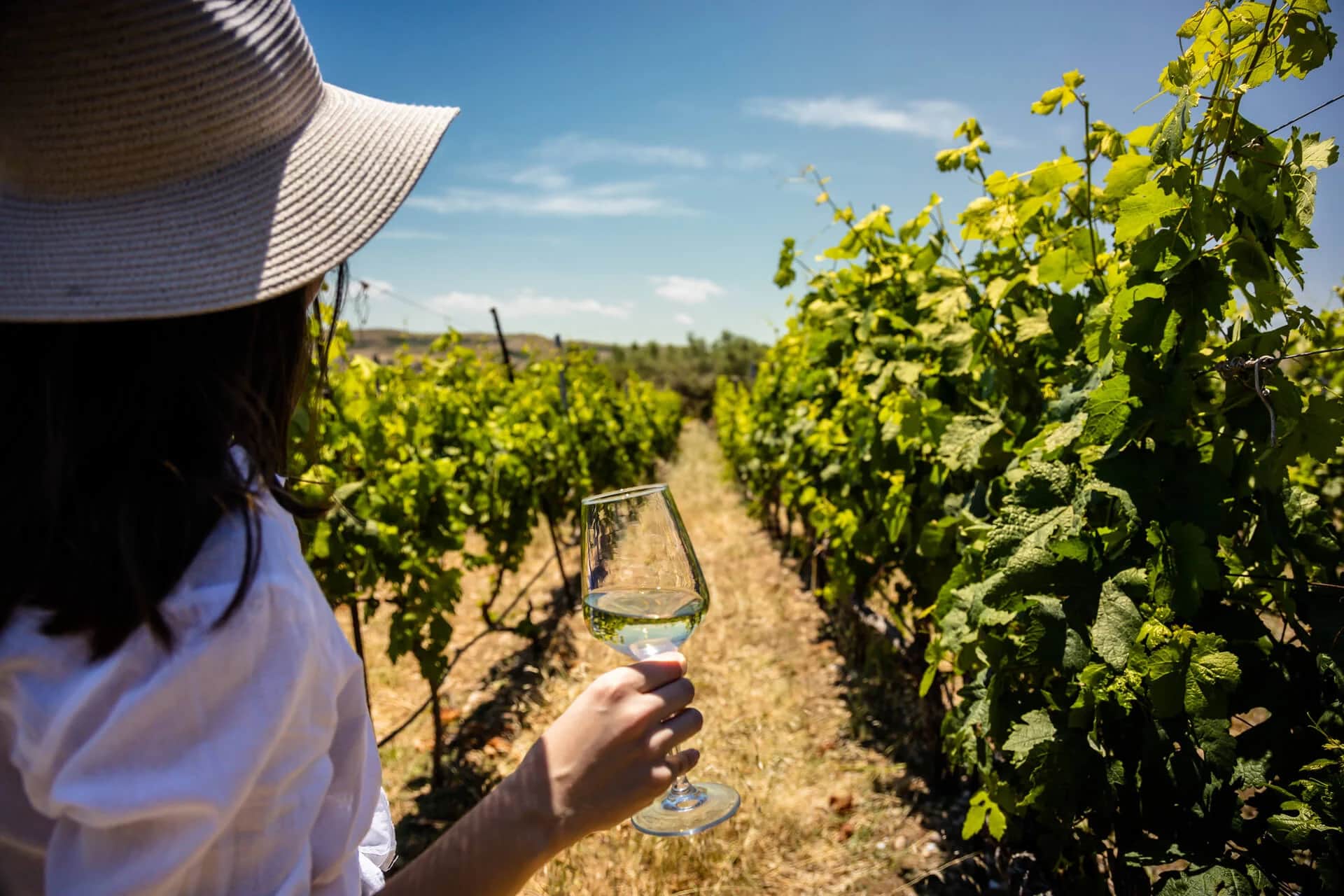 From €22
Heraklion, Crete · 1 hours