 From €15
Heraklion, Crete1 hours
An independent guide, written from the island
Things to do in Crete, region by region: honest guides, real prices, and the days out genuinely worth booking. No brochure voice.

Start where you are
 01
01The polished port with Crete's wildest coast behind it
Read the guide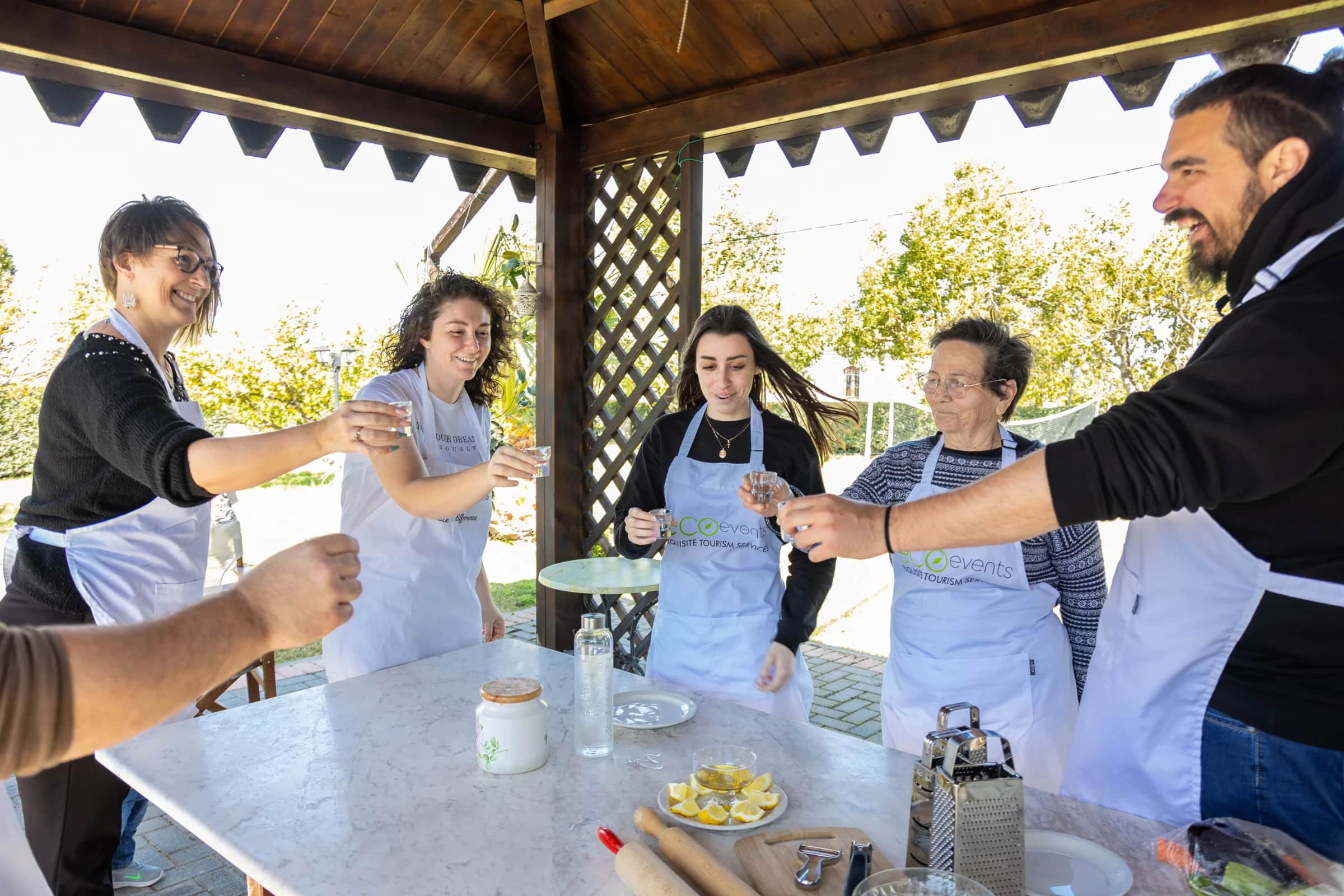 02
02Venetian lanes, mountain lamb and the wilder south coast
Read the guide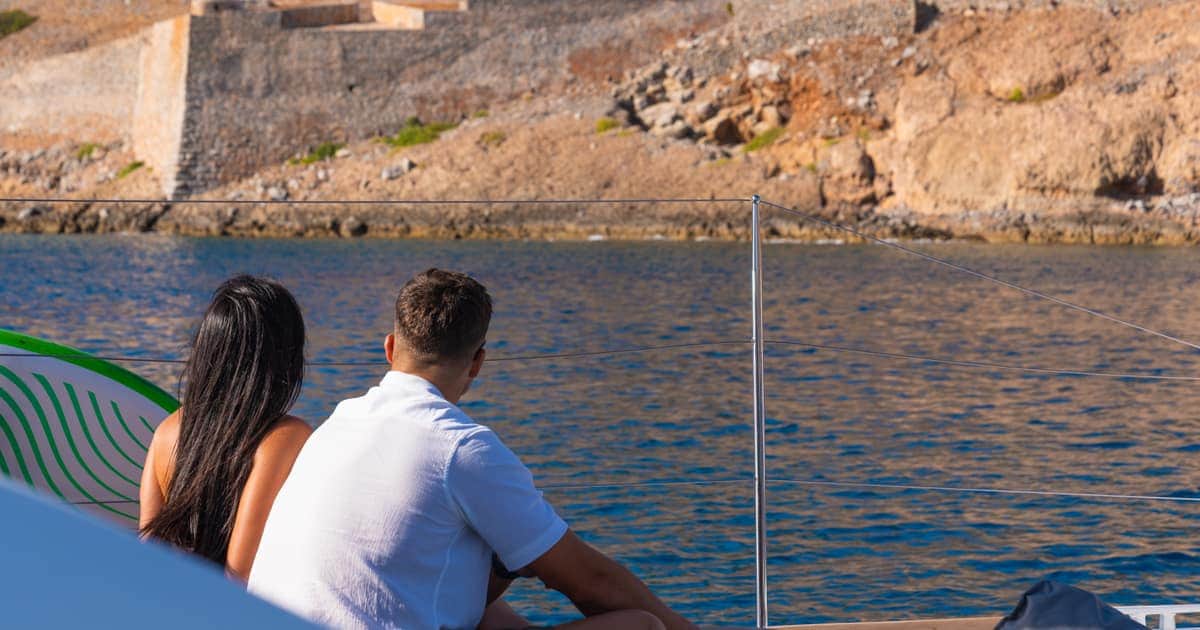 03
03A working capital with Bronze Age baggage and proper wine
Read the guide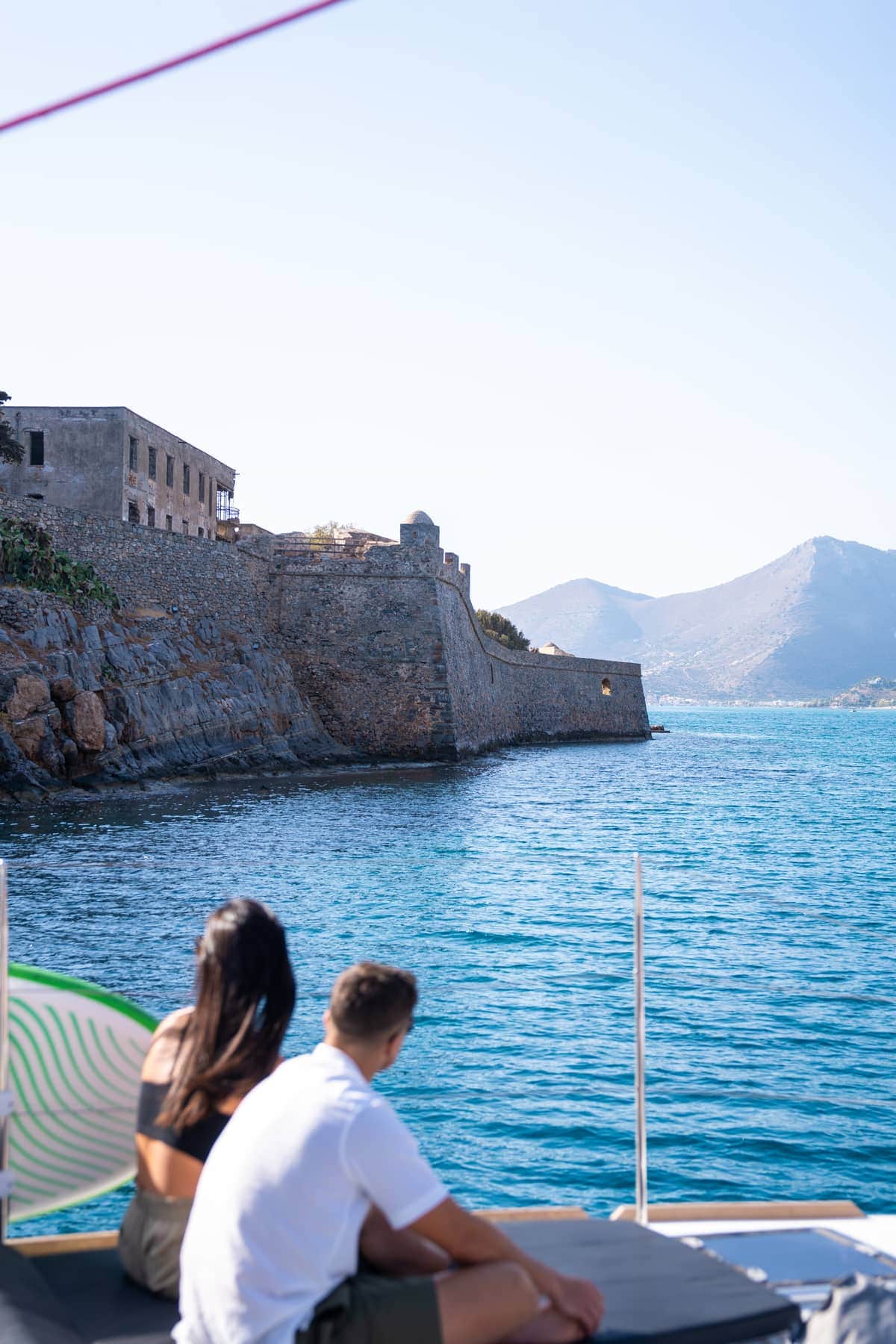 04
04The east: fewer coaches, longer lunches, stranger history
Read the guideWhen to come
The guides
11 September 2026 · 9 min read
24 August 2026 · 9 min read
23 August 2026 · 8 min read
22 August 2026 · 9 min read
21 August 2026 · 10 min read
19 August 2026 · 8 min read
17 August 2026 · 9 min read
14 August 2026 · 9 min read
11 August 2026 · 9 min read
7 August 2026 · 10 min read
6 August 2026 · 9 min read
3 August 2026 · 10 min read
30 July 2026 · 9 min read
25 July 2026 · 8 min read
17 July 2026 · 9 min read
9 July 2026 · 9 min read
6 July 2026 · 9 min read
30 June 2026 · 13 min read
27 June 2026 · 15 min read
24 June 2026 · 11 min read
23 June 2026 · 10 min read
22 June 2026 · 12 min read
21 June 2026 · 13 min read
20 June 2026 · 12 min read
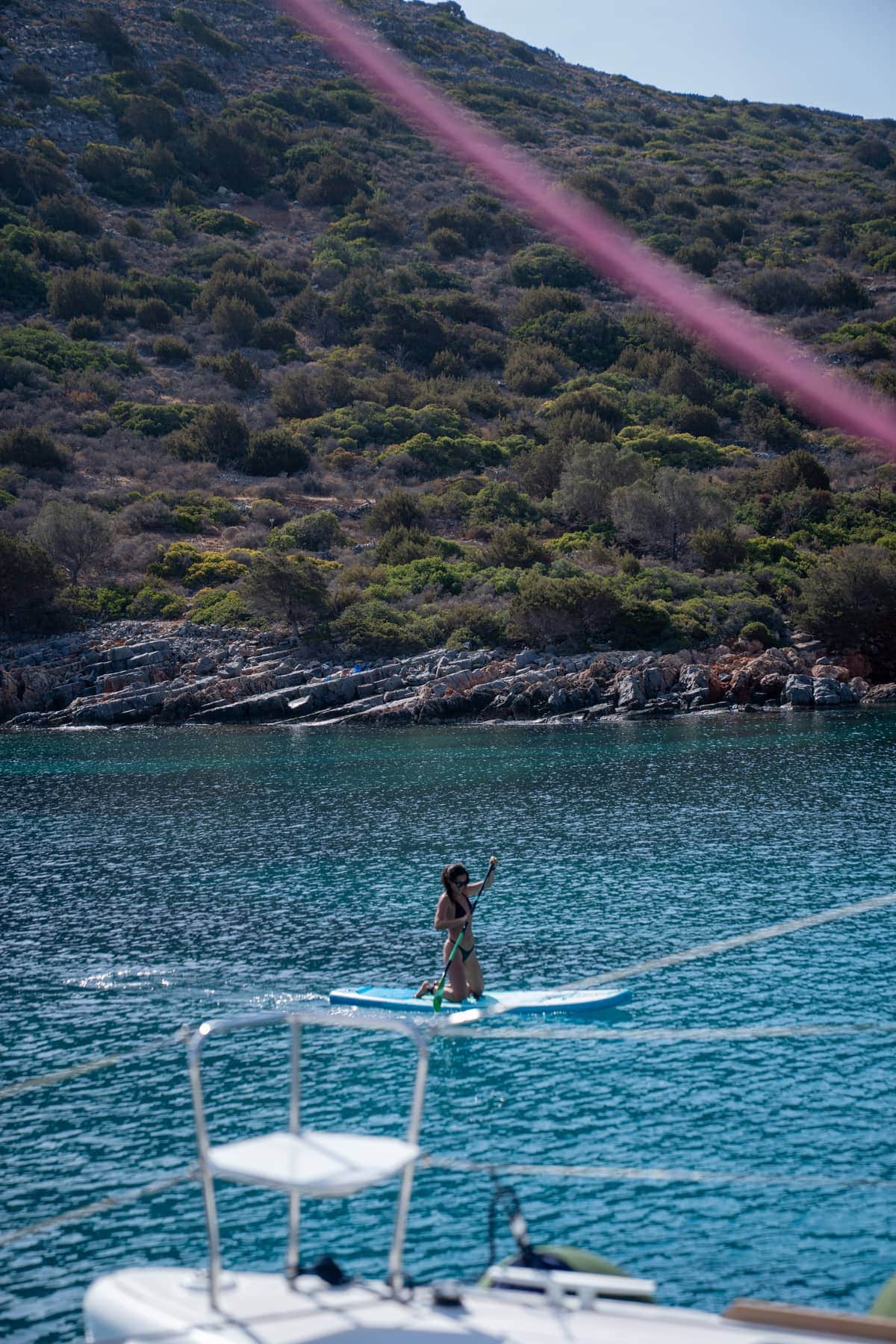
The island is generous with people who slow down.
One well-chosen day beats three busy ones — that is the whole editorial policy here.
When you are ready
All 108 bookable experiences, grouped by area, live on one page.
From €15Heraklion, Crete1 hours
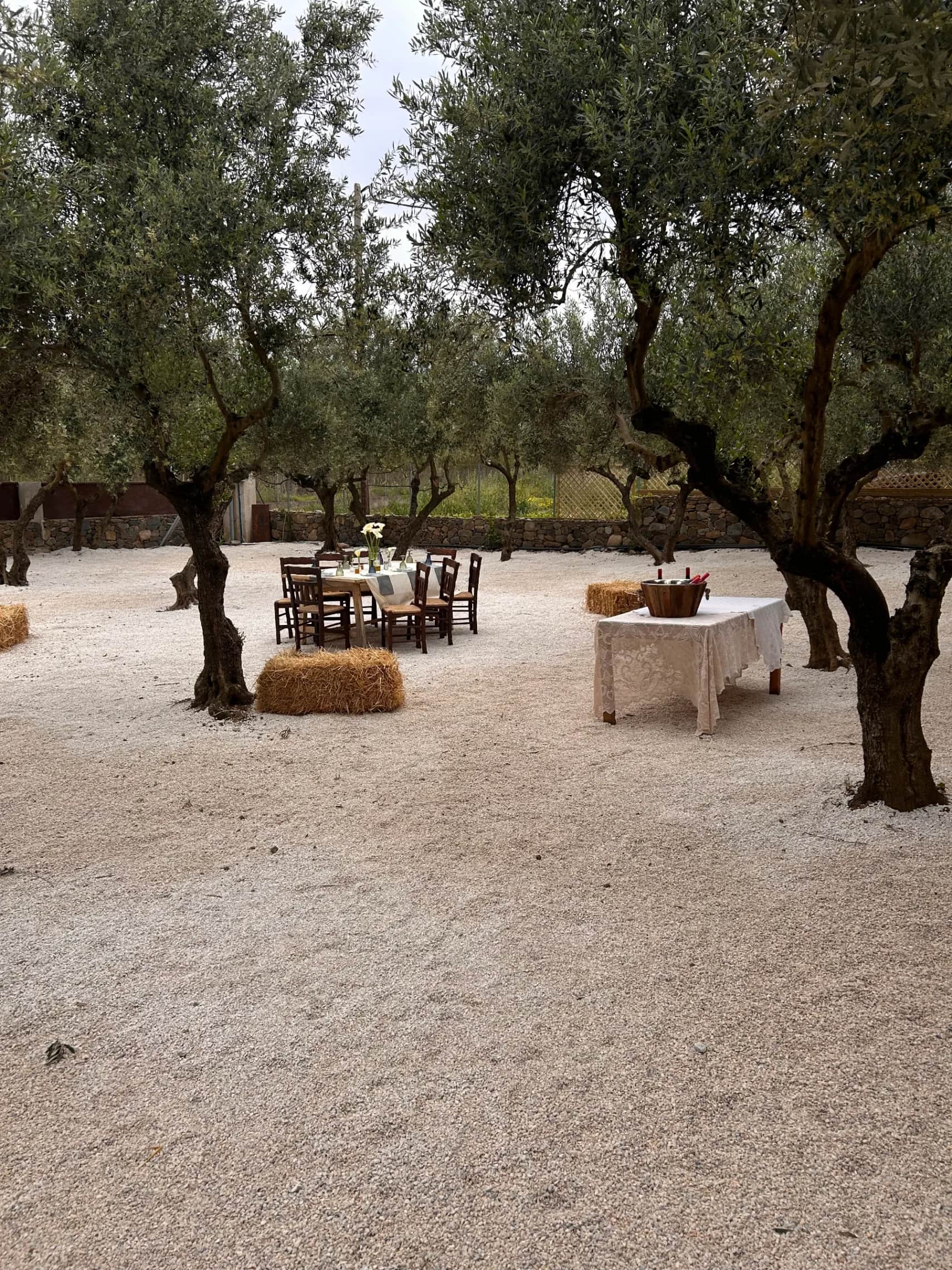 From €15
Chania, Crete1 hours
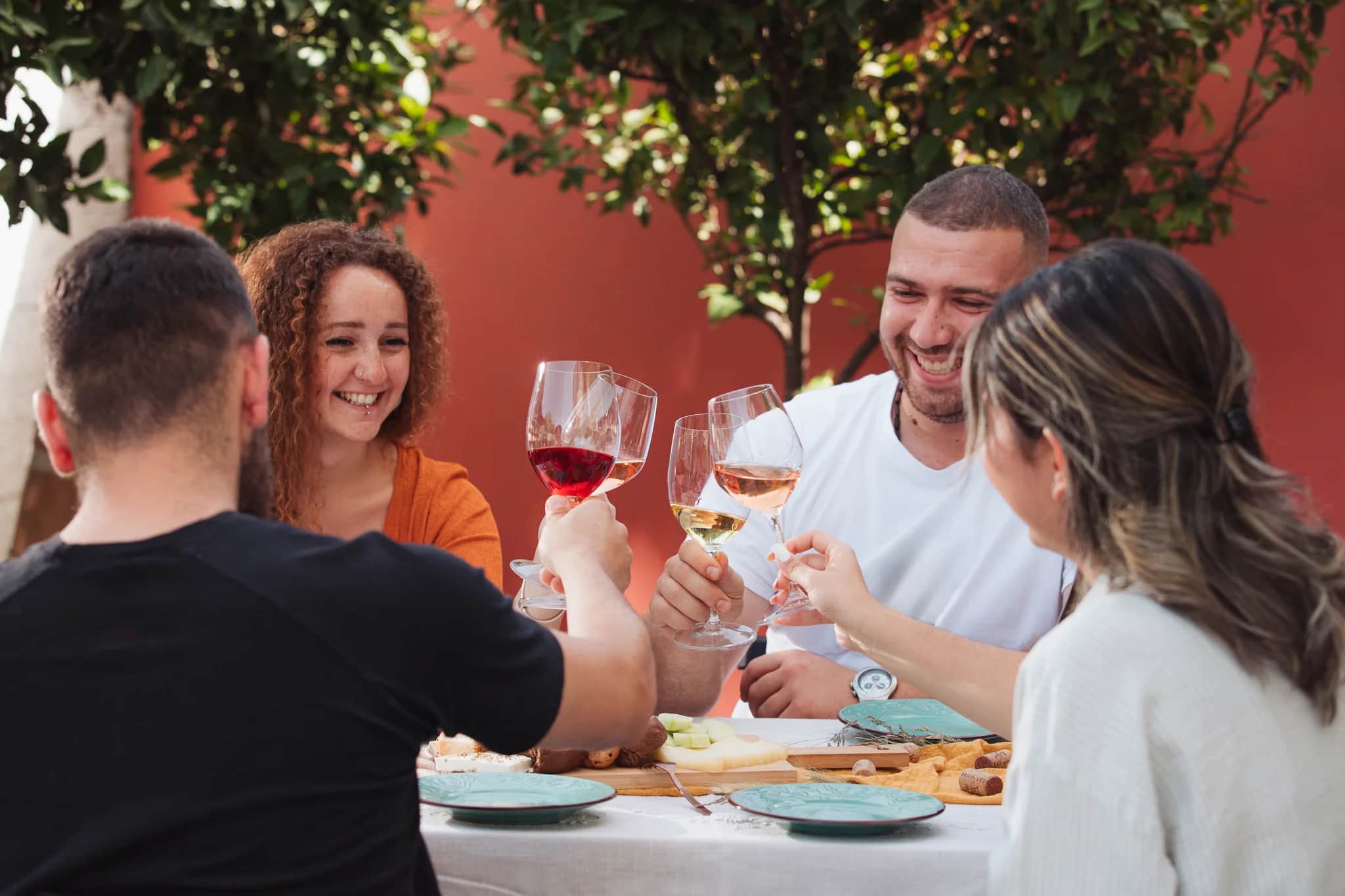 From €19
Heraklion, Crete1 hours
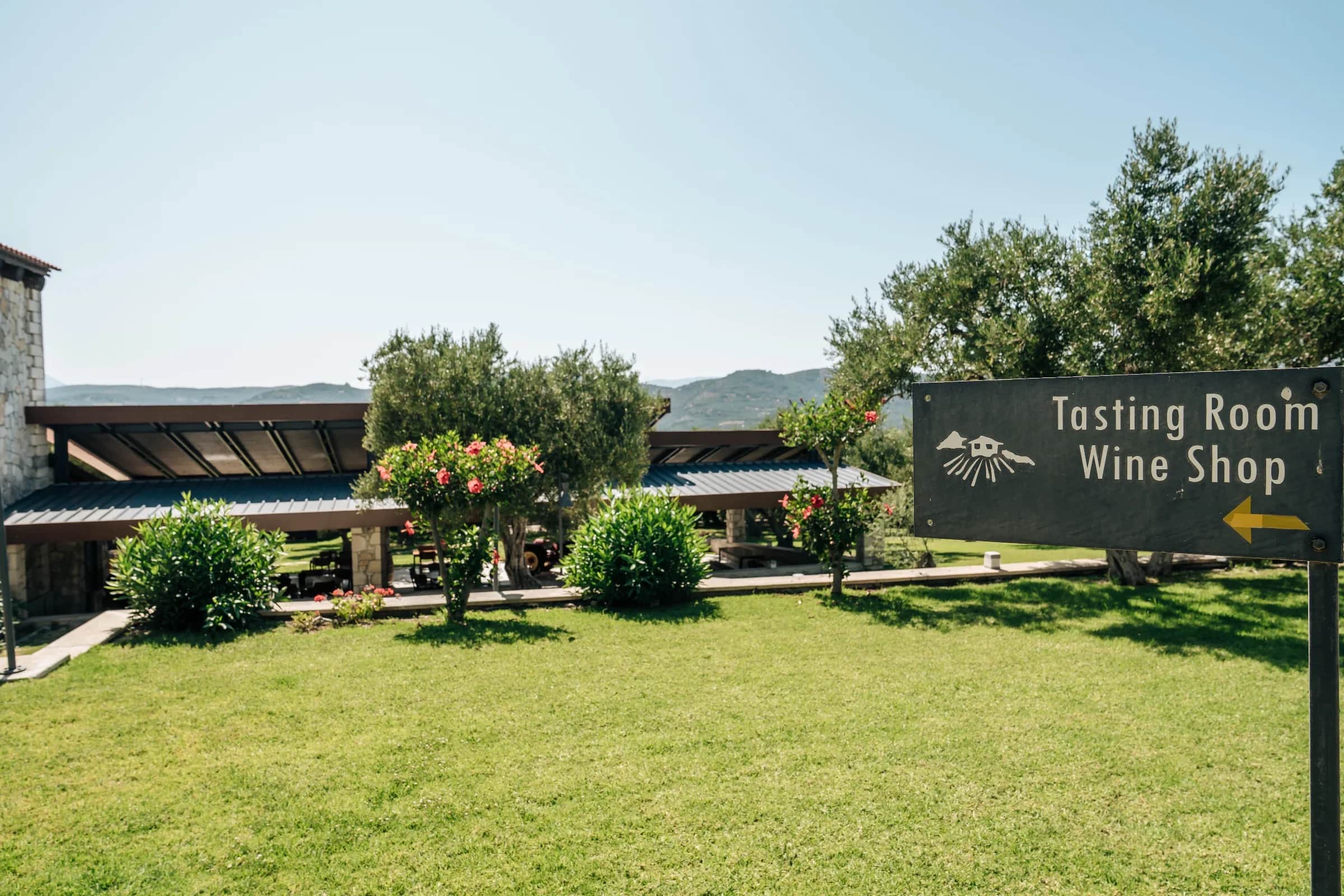 From €20
Chania, Crete1 hours
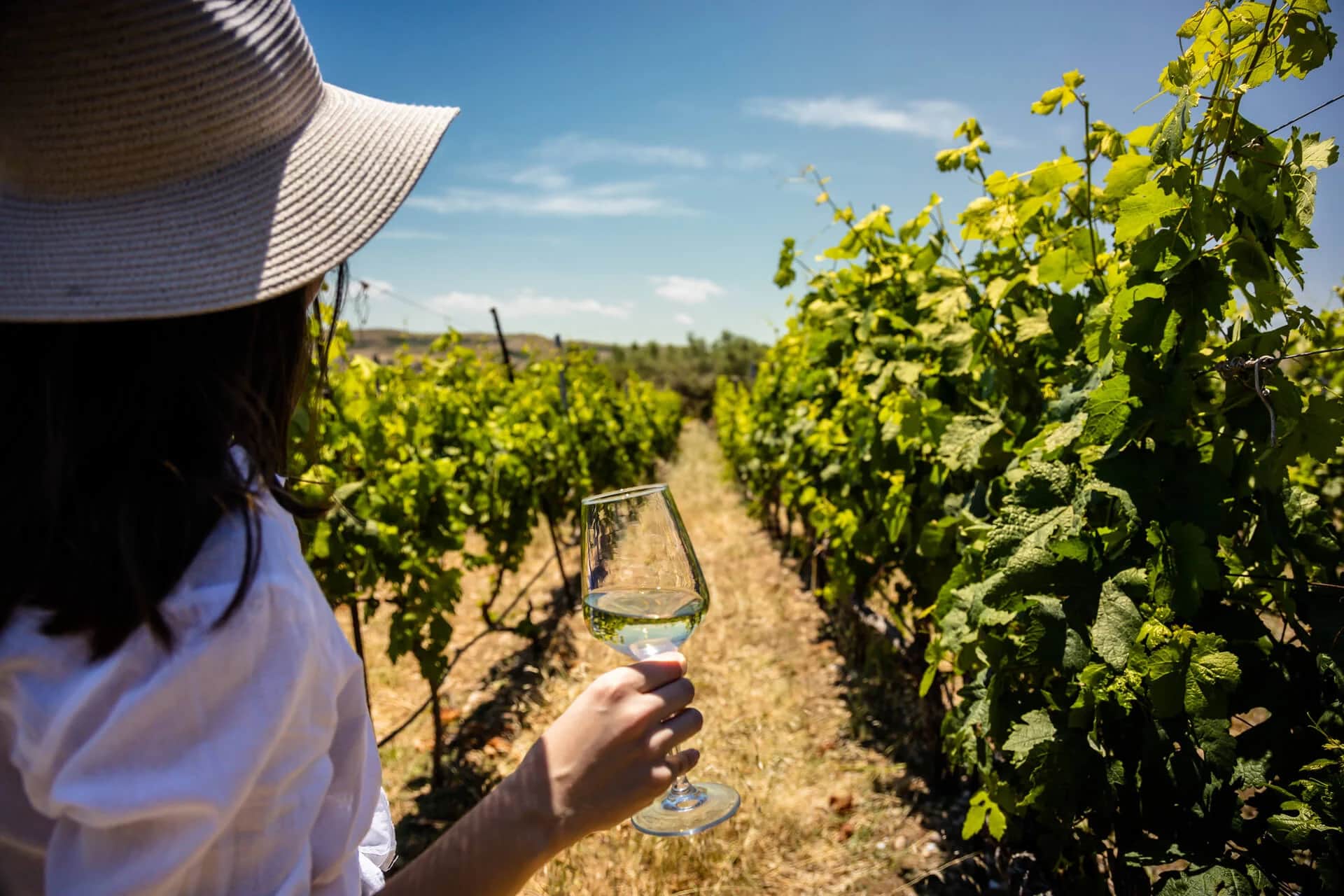 From €22
Heraklion, Crete1 hours
 From €22
Crete1 hours
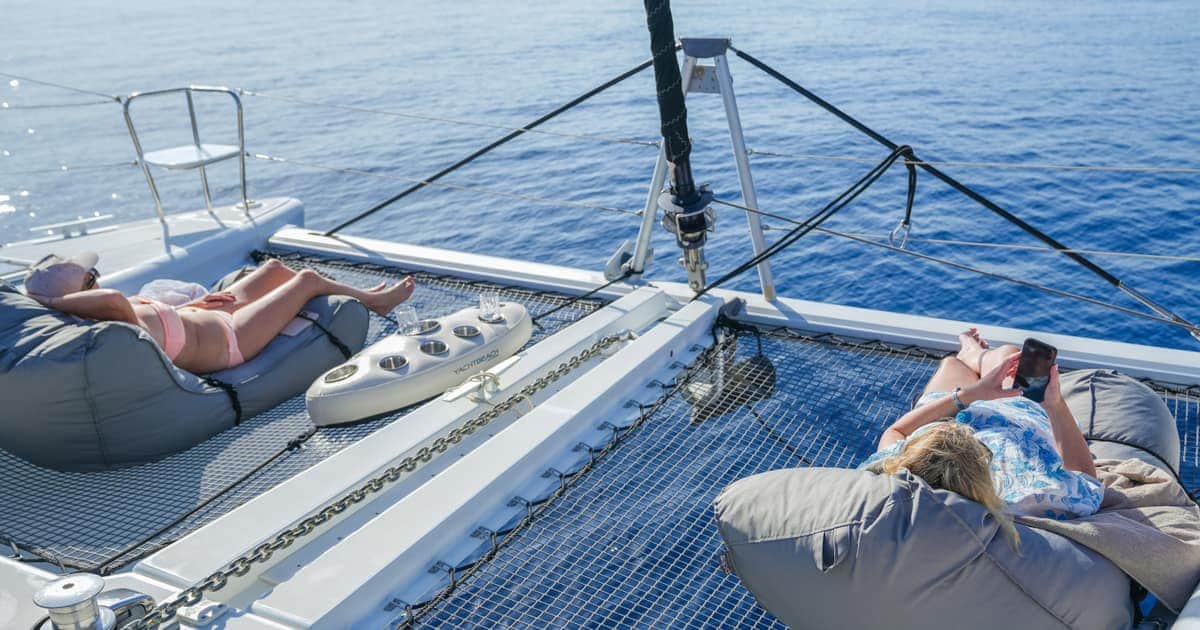
It depends on the day you want, but our most popular block is the boats: sailing and catamaran cruises to Dia Island from Heraklion, plus the Balos and Gramvousa run and the Spinalonga catamaran. Beyond the water there are jeep and quad safaris, wine and olive oil tastings, cooking classes, cave visits, a Psiloritis hike, horse riding and snorkeling. Prices run from about 15 euros for a short tasting up to around 2,200 euros for a private catamaran charter, so there is something at most budgets.
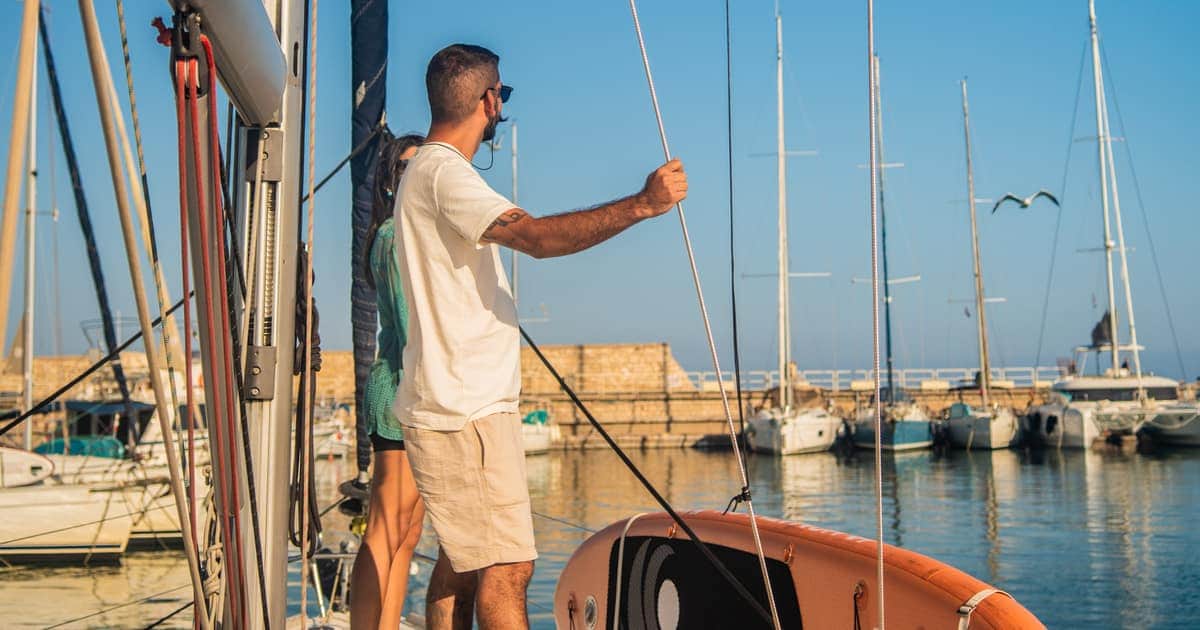
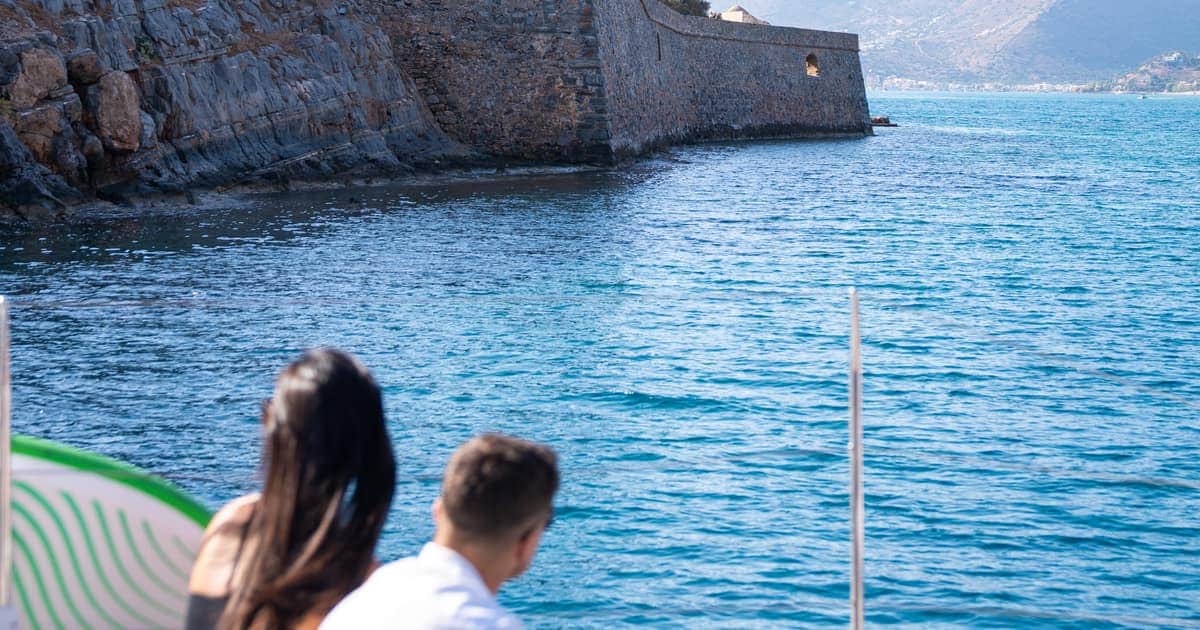
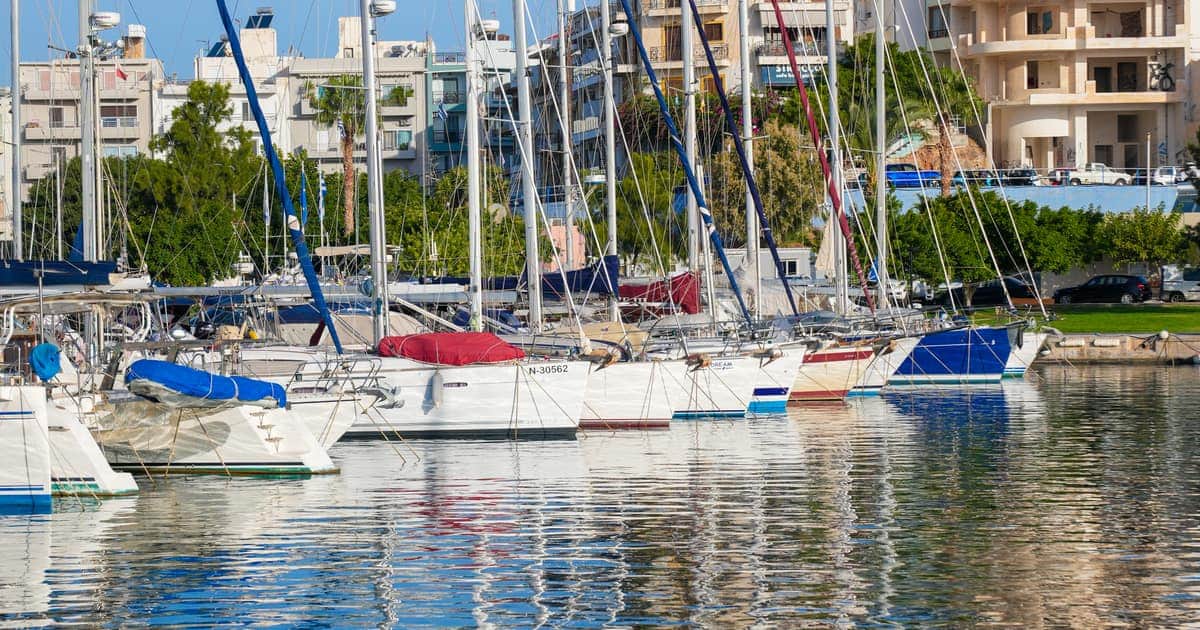
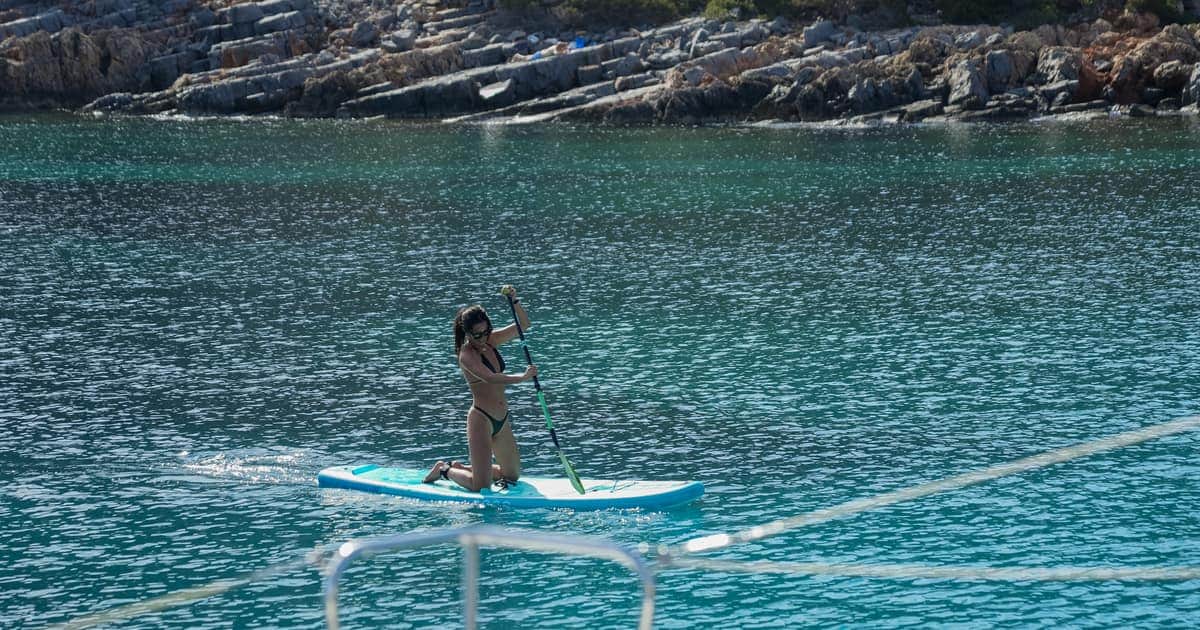
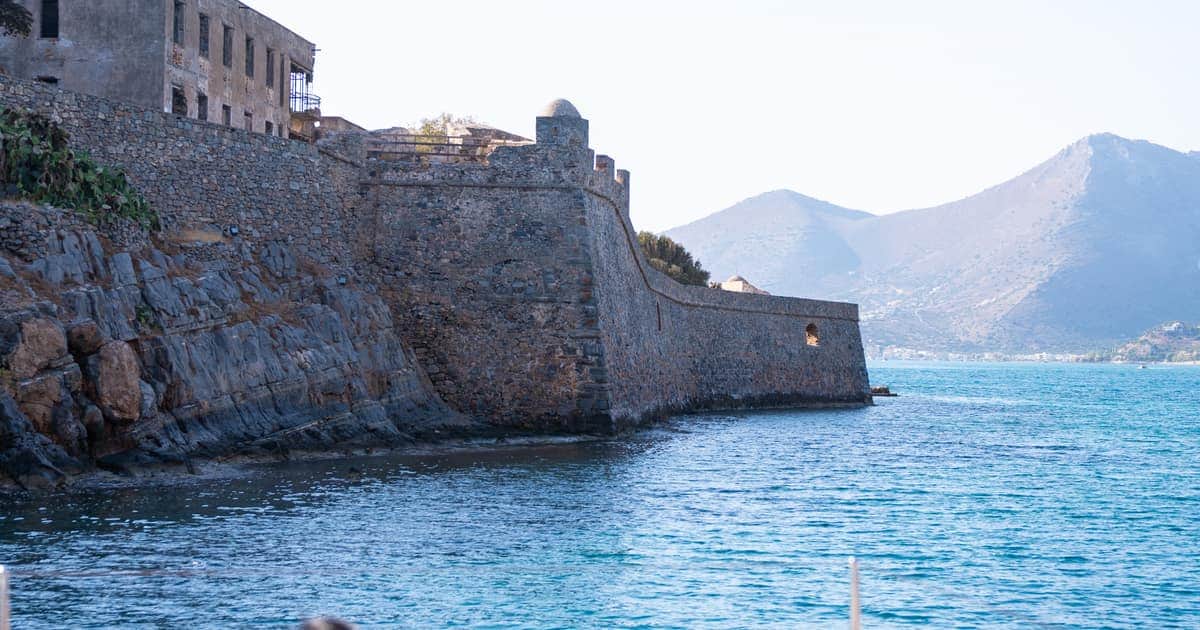
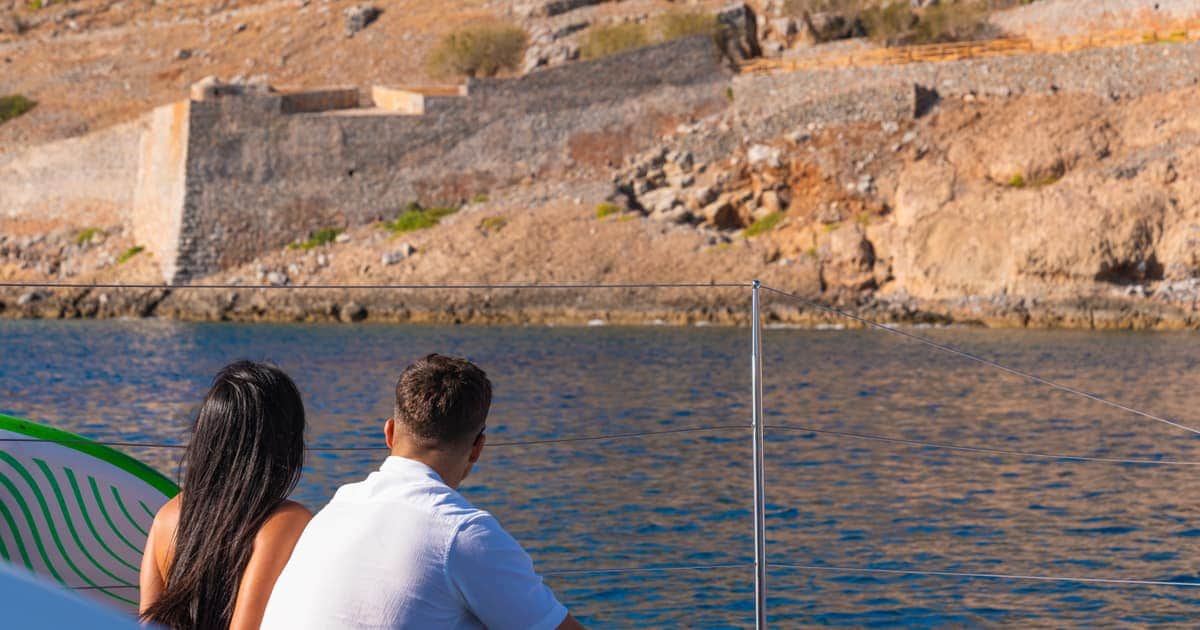
Yes, and the right one depends on who is coming. Families and budget travellers do well on a shared or semi-private trip from about 65 to 145 euros; couples tend to prefer a sunset sail or a private boat; and a private charter, up to about 2,200 euros for the boat, buys the most space. On routes, most sailings go to Dia Island from Heraklion, there is a Spinalonga catamaran from Agios Nikolaos, and a Balos and Gramvousa small-group catamaran in the northwest. Check what is included, such as a meal, drinks, SUP or snorkel gear and transfer.
In high season, yes. Aim for about 5 to 7 days ahead from May to September, a week or two for private trips, and two to three months for July and August peak dates, sunset departures and small-group boats. Many experiences offer free cancellation, so reserving early to lock your date and time usually costs nothing.
Heraklion is the easiest base. From here you can sail to Dia Island, visit Knossos and the interior, reach the Lasithi Plateau and the Cave of Zeus, taste wine and olive oil in the villages, take a Cretan cooking class, or head into the mountains on a jeep safari. Most experiences include hotel or port pickup, so you do not need a car for the headline ones.
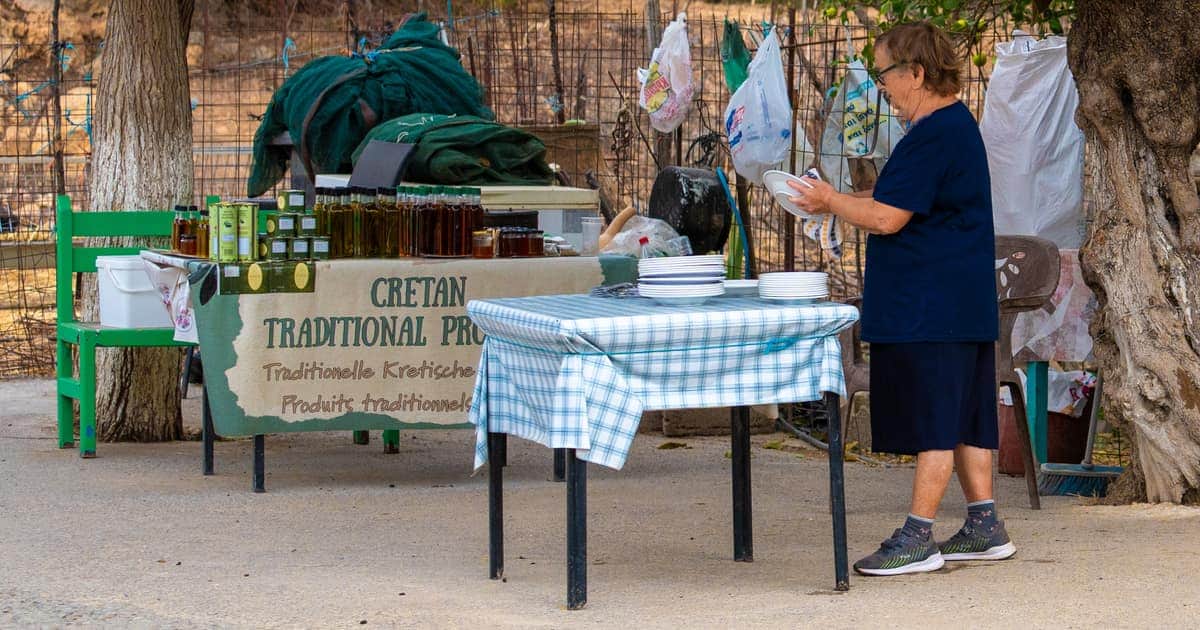
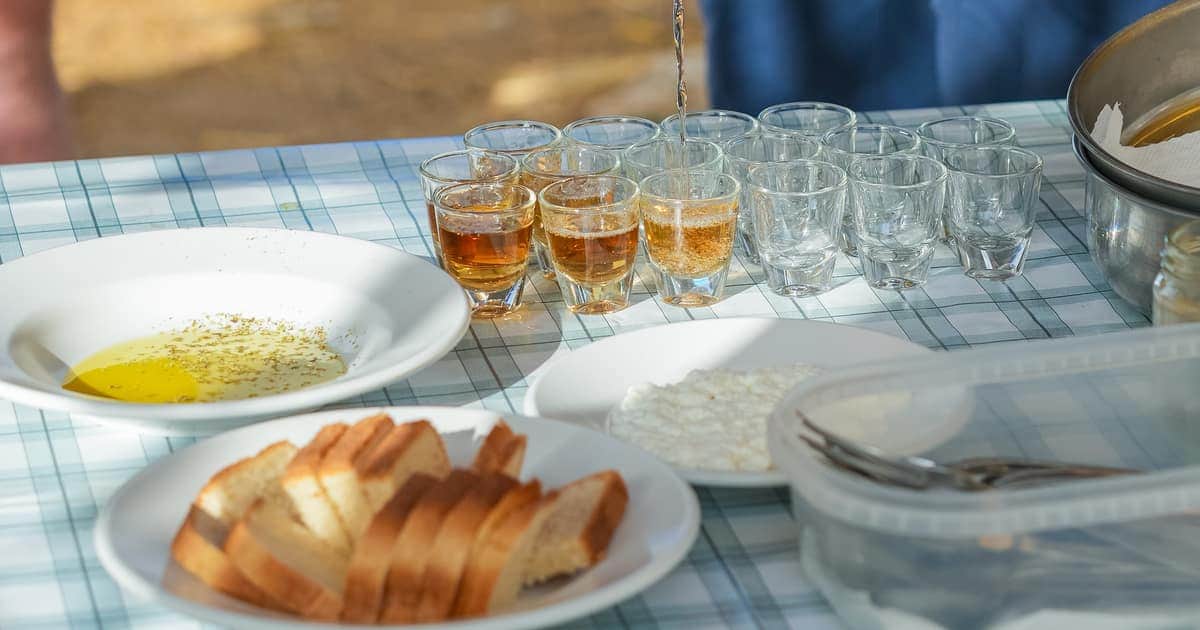
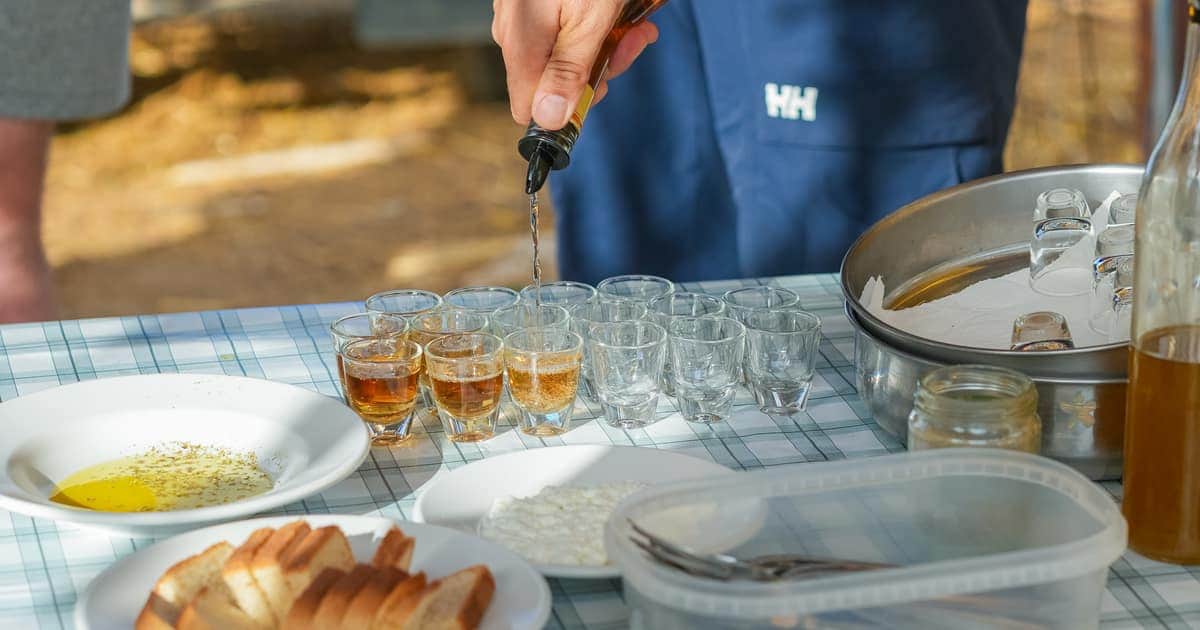
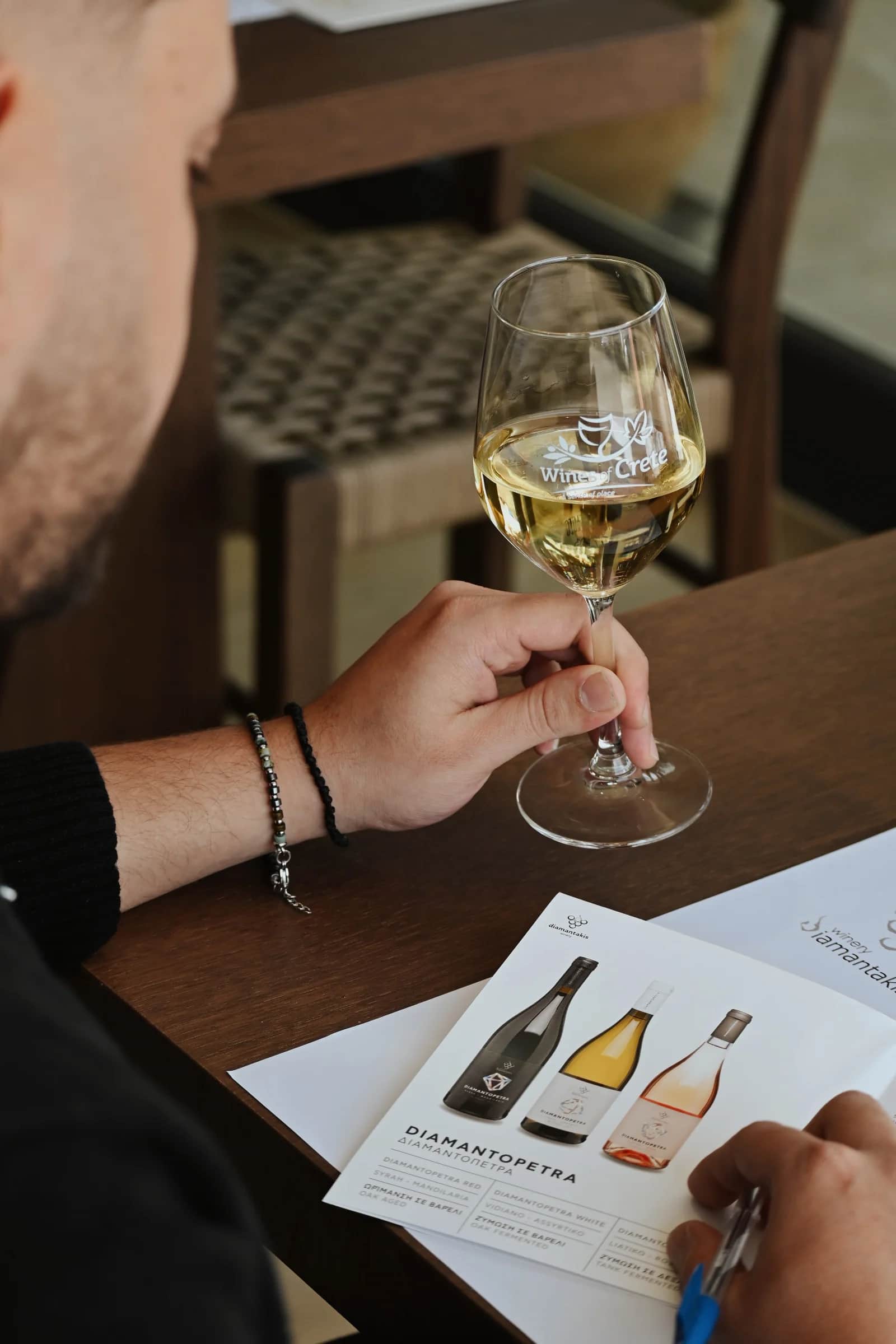
Yes, especially for foodies, couples and hot or unsettled afternoons when a beach is less appealing. A typical half-day is hands-on cooking or a guided tasting with olive oil and wine at a farm or village winery, often with lunch, usually in the region around Heraklion. It is a shaded, slower alternative to a boat or beach day, and the food is the point.
You can enjoy Crete without a car from any main town. Most experiences, from boat trips and safaris to tastings and gorge hikes, include hotel or port pickup, and buses link the main towns. A car adds flexibility for remote corners, but it is not needed to book the headline experiences here.
The range here is about 15 to 2,200 euros. Short tastings and shared boat trips start from roughly 15 to 70 euros, group safaris and catamaran cruises sit between about 80 and 165, private sailing charters run from 470 to 990 euros for the boat, and a private catamaran reaches 2,200. What moves the price is mostly private versus group, how long it lasts, whether food and drinks are included, and transfers.
For couples, a private or semi-private sunset sailing cruise to Dia Island with dinner and drinks, a private catamaran, or a winery food-and-wine pairing are the romantic picks. For families, gentle semi-private boat trips, a jeep safari with a village lunch, horse riding and easy snorkeling stops work well, and most include hotel pickup. If you want a base with space, a private villa through My Creta Villa pairs nicely with a few experiences.
Compare the experiences from this guide and book the ones that fit your days.