Boat Without a Licence in Crete: How Far You Can Actually Go
The question everyone asks before hiring a boat they can drive themselves is how far they are allowed to take it. Search for the answer and you will be given a number — three nautical miles, usually, sometimes with a neat conversion into kilometres beside it. We went looking for the source of that number and could not find one. Not in the port regulations, not on any Greek authority page, nowhere except other rental listings repeating each other.
Here is what we can tell you instead, because it is checkable. For a rented motorised boat, the permitted area is set against that individual boat's own sailing permit rather than by one national radius, and it is given to you verbally at the briefing before you leave the pontoon. So the honest answer to "how far" is not a distance at all. It is two things we can publish: which marina you start from, and how many hours you have booked.
Quick Summary
There is no published distance limit for a licence-free hire boat in Crete, and any page that gives you one is quoting something it cannot source. The binding limit lives on the individual boat's sailing permit and is briefed to you before departure, so ask what your permitted area is before you pay rather than on the day. What is published, and what you can plan around, is the marina and the clock. Boats from Rodia Marina in Heraklion point west, toward Paleokastro, Panagia Beach and Agia Pelagia. Boats from Marina Port Gouves, twenty kilometres east, name Dia Island and the Sarantaris and Anissaras coves instead. Hires run from two hours at €140 for the boat up to a full day, 09:00 to 17:00, at €399.
The Number Nobody Publishes
We would rather lose the reader who wants a tidy figure than give them one we cannot stand behind.
Greek port rules deal with rented motorised boats by pointing at the boat's own paperwork. The limit is written onto that individual vessel's sailing permit, which means it can differ between two boats tied to the same pontoon. Port authorities are also allowed to set local conditions, and those decisions are attached to individual rental approvals rather than gathered anywhere public. We looked for a register of them for the Cretan ports and there is not one.
That is the whole reason no honest page can hand you a Heraklion radius. It is not that the information is secret — it is that the number is per-boat and lives on a document you will see at the base.
Even the competitor pages that raise the question end up conceding this. The one operator FAQ we found that asks "how far can I go" answers that you will be told the exact locations and distances during your safety briefing. That is the correct answer. It is just not the one anybody puts in a heading.
What the Briefing Actually Decides
Every one of these boats comes with a safety and driving briefing, and the permitted cruising area is part of it. None of the listings we sell publishes a boundary, a radius or a mileage. What they publish is a suggested set of places to head for.
Our Rodia self-drive listing is the most explicit about the edges of that, and it is worth reading before you book rather than after. Its own notes tell you not to drive outside the suggested route without checking with the local team first, not to go in close to rocks, sea caves or shallow water, and that whoever is driving does not drink.
The practical instruction that follows is short. If a specific place is the point of your day — an island, a particular beach, somewhere you have seen a photograph of — ask whether it is inside your permitted area before you pay. If the answer matters that much, get it in writing. The one thing you should not do is assume it from a map, because the map does not know what is on the permit.
Two Marinas, Two Different Coastlines
This is the part that decides your range far more than any legal number, and almost nobody mentions it.
Boats from Rodia Marina, on the coast west of Heraklion, work westward. The destinations named on those listings are Paleokastro, the hidden coves and sea caves along that stretch, Panagia Beach and Theseas, Made and Lygaria, and Agia Pelagia.
Boats from Marina Port Gouves, about twenty kilometres east of the city, name a different set entirely: Dia Island, and the coves along the Sarantaris and Anissaras shores.
Those two lists do not share a single destination. They are not two versions of the same trip — they are two coastlines, facing different ways, reached from bases half an hour apart by road. Booking a self-drive boat "in Heraklion" without checking which marina it leaves from is the most common way people end up on the wrong side of the city from the thing they wanted to see.
Dia is the sharpest example. It sits seven nautical miles offshore and it appears by name on the Gouves listings. That is not the same as a guarantee that your particular boat may cross to it — that remains a question for the operator, and the answer can differ by boat. If Dia is the whole point of your day, the reliable way to get there is a crewed cruise, not a hire boat.
Range as a Clock Problem
Once you stop looking for a boundary, the useful arithmetic is time, and the timetable is published.
From Rodia you can take the skippered boat by the hour, bookable on the hour from 09:00 through to 21:00, or the self-drive in fixed two-hour blocks running from 09:00 to a final 19:00–21:00 slot. From Gouves the options are two hours, four hours, or a full day that runs 09:00 to 17:00.
What a two-hour hire actually buys, once you subtract the briefing, the run out and the run back, is one good stop. Not three. People book two hours imagining a chain of coves and come back having properly swum at one of them, which is fine — but it is worth knowing before you choose. Four hours is where a second stop becomes comfortable, and the full day is the only one of these that stops feeling like a slot and starts feeling like a day.
Worth noting for anyone assuming these are daylight-only toys: three of the four Gouves boats sell a 16:30–20:30 slot, and the Rodia self-drive sells 19:00–21:00. The late blocks are real and they are on the booking calendar.
Engine Power and Hull Shape
The rule of thumb doing the rounds is that anything under 30 horsepower needs no licence. That is half right, and the missing half is the part that catches people.
Where the line falls depends on the shape of the hull as well as the size of the engine. For a conventional hull the trigger is above 30 horsepower on an outboard, but for an inflatable, a multi-hull or a V-hull it drops to above 15 — and a great many small rental boats are V-hulls. So "is it under 30 hp?" is the wrong question to arrive with. The right one is what the boat's own paperwork says, and on a boat that is properly listed as licence-free that is the operator's problem rather than yours.
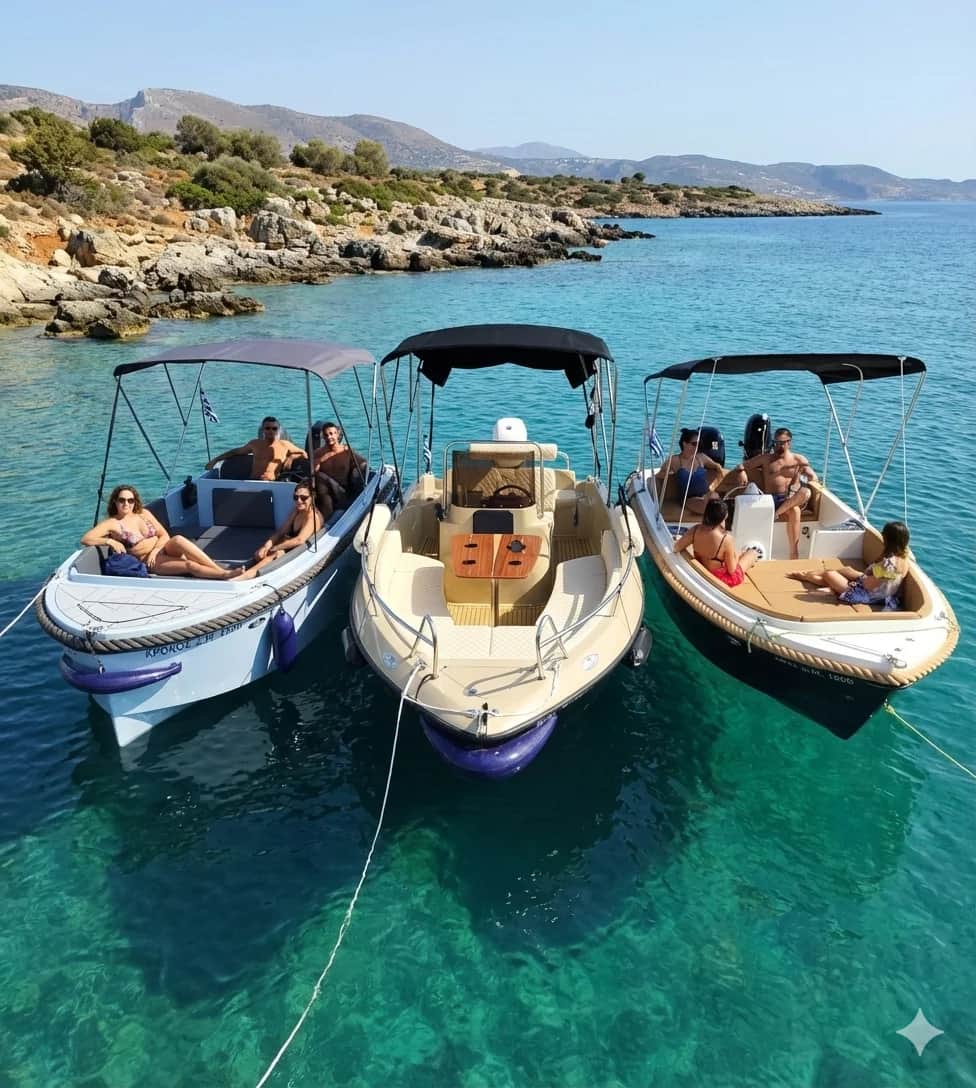
For what it is worth, the four Gouves boats are listed with a 30 horsepower engine plus an auxiliary motor, and carry full safety equipment, snorkelling gear, navigation, a cooling box and a waterproof bag. The two Valory hulls and the Cobra are listed at the same stated power, so what separates them is layout, not speed.
On the water from Heraklion
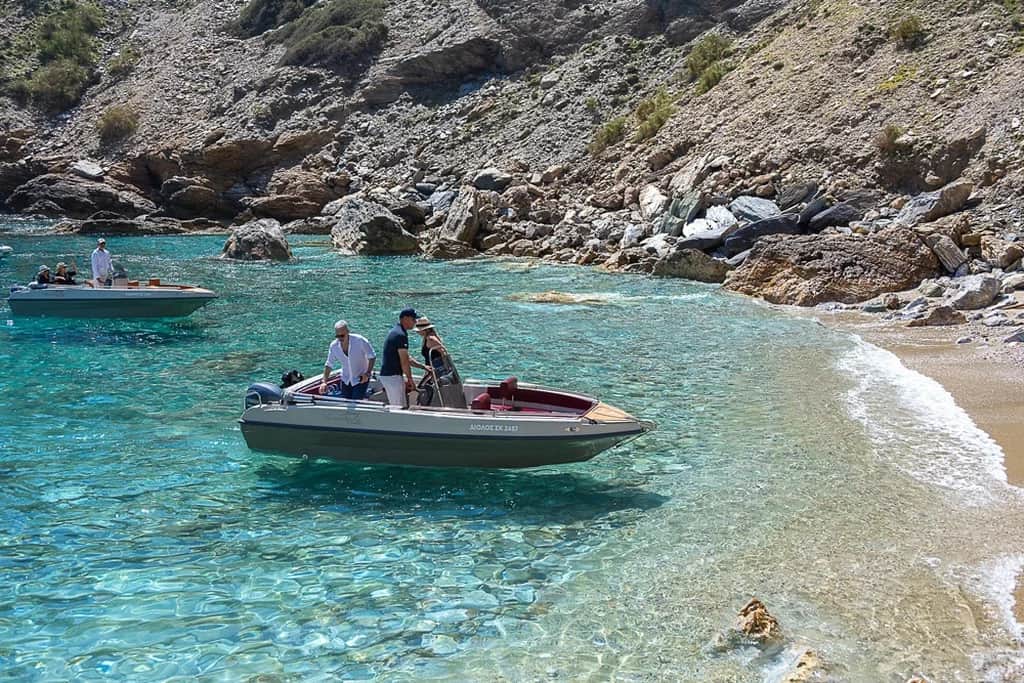 From €120
Heraklion, Crete · 1 hours
Skippered Boat Tour from Rodia Marina in Heraklion
Check availability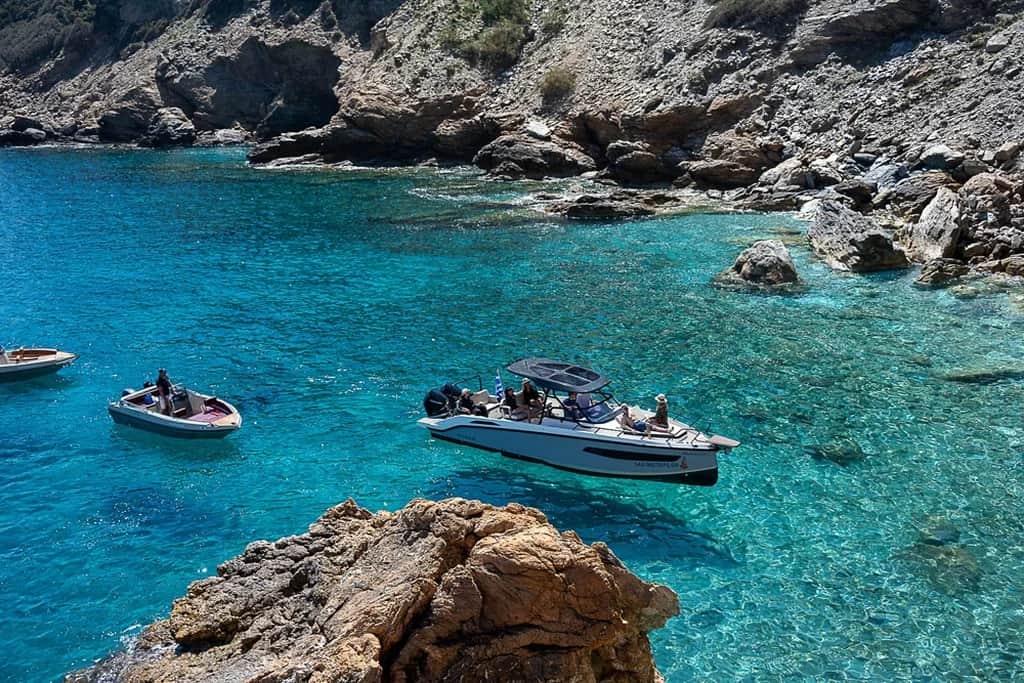 From €140
Heraklion, Crete · 2 hours
Self Drive Boat Tour from Rodia Marina in Heraklion
Check availability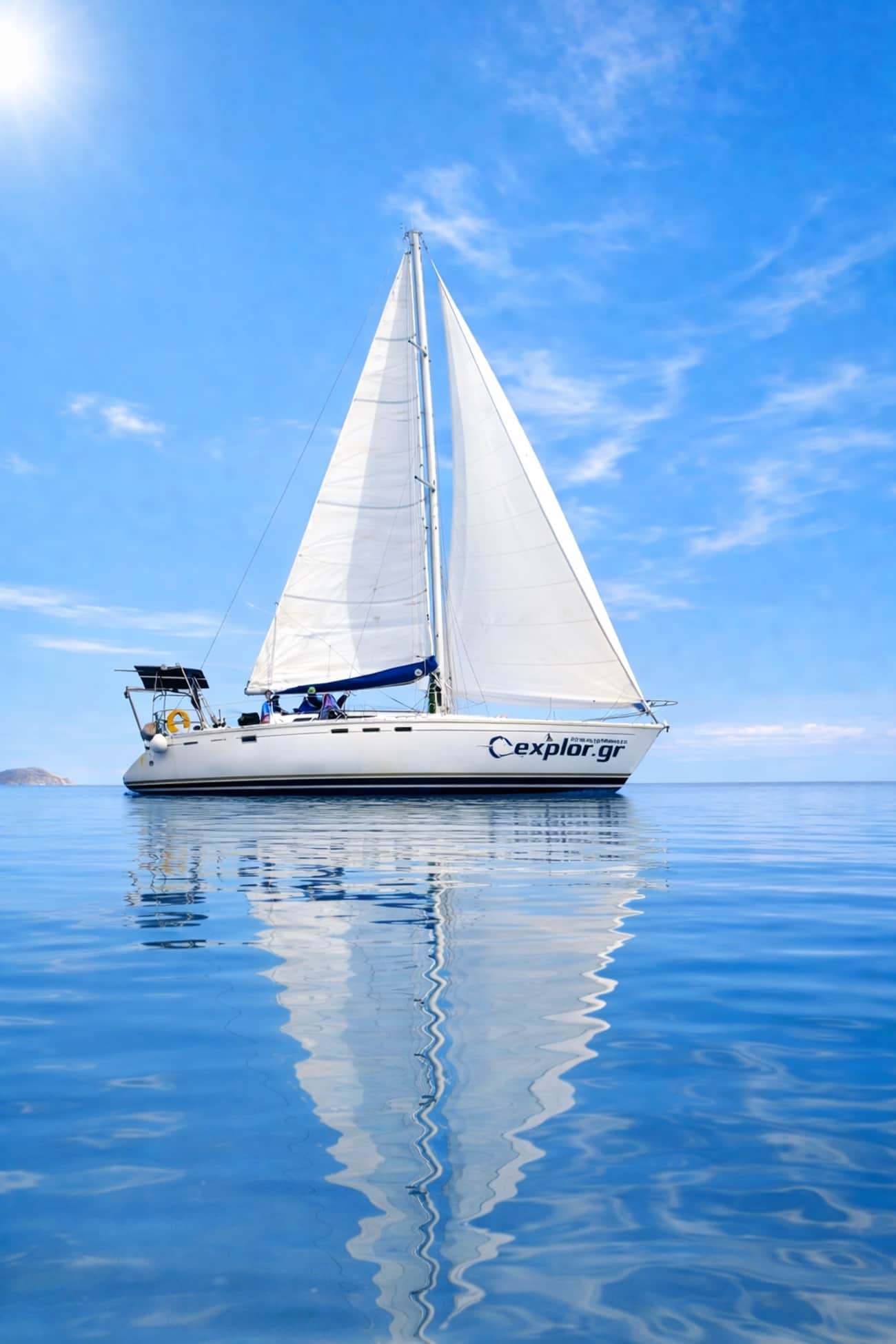 From €65
Heraklion, Crete · 5 hours
Active Sailing Trip from Heraklion Along the Cretan Coast
Check availability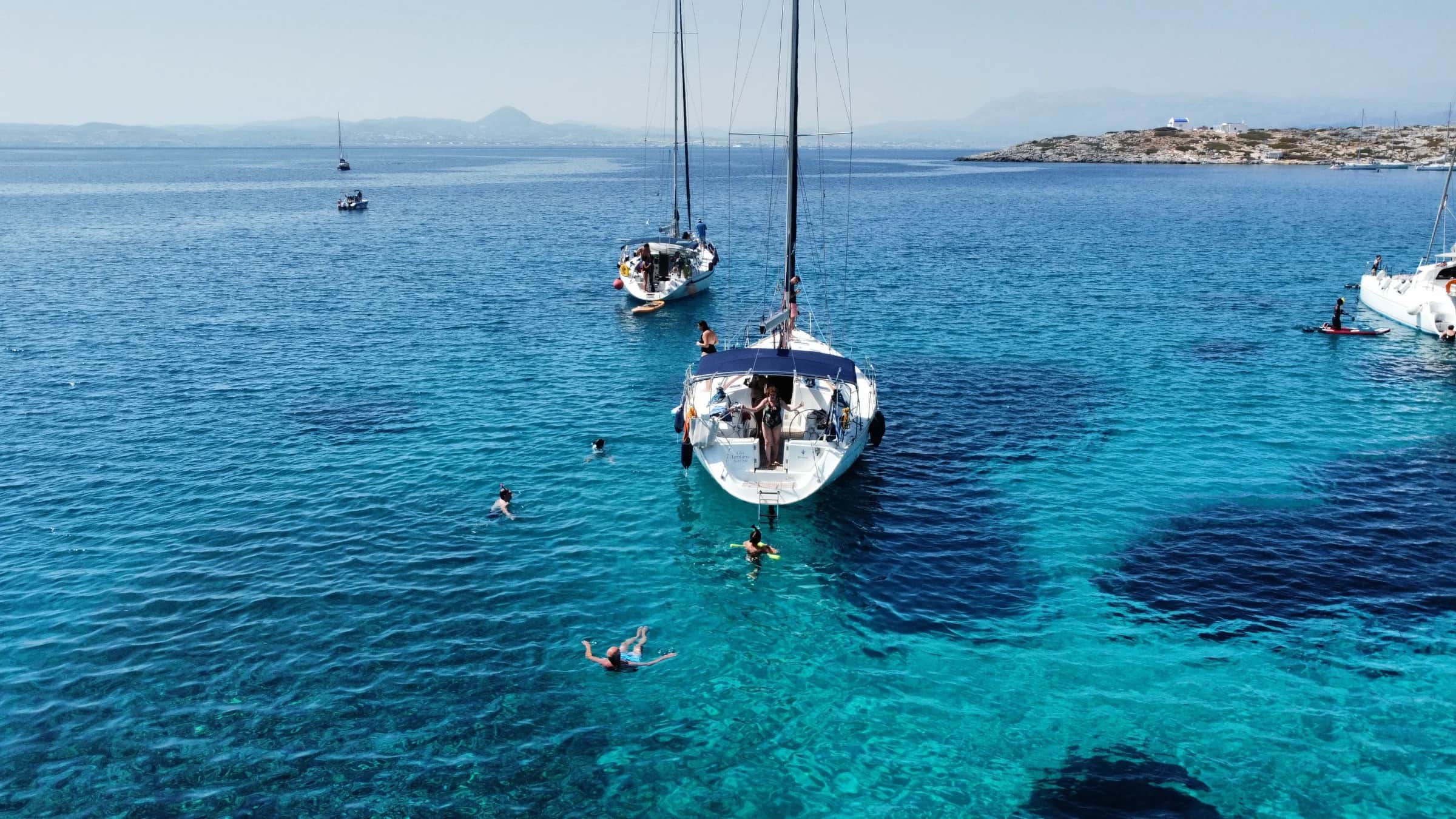 From €70
Dia Island, Crete · 6 hours
Semi Private Sailing Cruise to Dia Island | All Inclusive
Check availabilityWind, Time of Day and the Real Limiter
The thing that most often shortens one of these trips is not a rule and not the fuel gauge. It is the wind.
Crete's north coast gets a northerly summer airflow through the season, and a five-metre open boat feels it in a way a forty-foot catamaran does not. We are not going to publish a rule about which hour of the day is calmest off Heraklion, because we have no measured local data to back one and plenty of pages state it as fact without any either. What we will say is that the base looking at the forecast that morning knows more than any general pattern does, and their read is the one to take.
One gap you should know about: none of these six listings publishes a bad-weather policy. The cancellation line they all share is that you can cancel up to 24 hours before, with booking fees non-refundable. If the wind gets up inside that window, what happens to your booking is a conversation, not a published term — so have it before you rely on it.
What You Hand Over at the Base
The two bases do not ask for the same things, which surprises people who have hired at one and assume the other matches.
At Gouves you are asked to bring photo ID and a €100 fuel security deposit, and to arrive thirty minutes before departure for the safety and driving course. Fuel is not included on any of the four boats there; it is calculated on your actual use and settled at the base when you come back, so treat it as an open line in your budget rather than a fixed one.
At Rodia the renter must be at least 18 and carry a valid ID or passport. There is no deposit stated. Fuel is not included on the self-drive either. The one boat in this whole group that includes fuel is the skippered hour, which is a useful thing to know if you want a predictable total.
That thirty-minute briefing at Gouves is not padding, incidentally. It is half an hour off the front of a two-hour hire if you turn up on time and all of it if you turn up late.
When a Skipper Is the Better Answer
There is a point where driving yourself stops being the good option, and it arrives sooner than most people expect.
If the day has a fixed destination in it, if the forecast is marginal, if nobody in the group actively wants the responsibility, or if you simply want the hour rather than the half day — put someone else at the helm. The skippered hour from Rodia is €120 with fuel included and up to five aboard, bookable on the hour, and it is the least committed way onto the water we sell. And if the answer to "how far" turns out to be further than any hire boat goes, that is what the crewed cruises are for: a semi-private sail to Dia is €70 a head for six hours, and the crossing is somebody else's problem.
For the wider picture of what leaves the city and when, our guide to half-day tours from Heraklion reads the whole departure board by the clock, and day trips across Crete picks up anything that needs a full day. The Heraklion region page collects everything bookable around the city in one place.
Common Mistakes to Avoid
Trusting the three-mile figure. It is repeated everywhere and sourced nowhere. Ask the base.
Booking the marina you did not mean to. Rodia points west, Gouves points east, and the two destination lists have nothing in common.
Reading the price as per person. All of these are priced for the boat, with a guest ceiling — up to five on most of them, six on the Rodia self-drive. On a full boat that makes the €140 hire about €23 a head, which is the cheapest time on the water we sell from Heraklion.
Planning three swim stops into two hours. One, done properly, is the realistic version.
Assuming the beach is somewhere you can drive up to. You anchor off and swim in. Going in close to rocks, sea caves and shallow water is exactly what the listing tells you not to do.
Where to Stay
For a Rodia departure, Heraklion city or Ammoudara on its western edge puts you fifteen minutes from the marina. For Gouves you want to be along the coast east of the city — the resorts through Anissaras and Gouves itself are on the doorstep, and that thirty-minute briefing makes the drive matter more than it would elsewhere.
We run our own villa company, My Creta Villa, so the houses below are ours rather than a listing we have picked up from somewhere else. Most of them sit in the Heraklion area and in Lasithi to the east, which lines up well with the Gouves base and less well with anything west of the city.
Our villas near Heraklion
My Creta Villa is our own villa company — same family as this guide.
 From €400
Heraklion
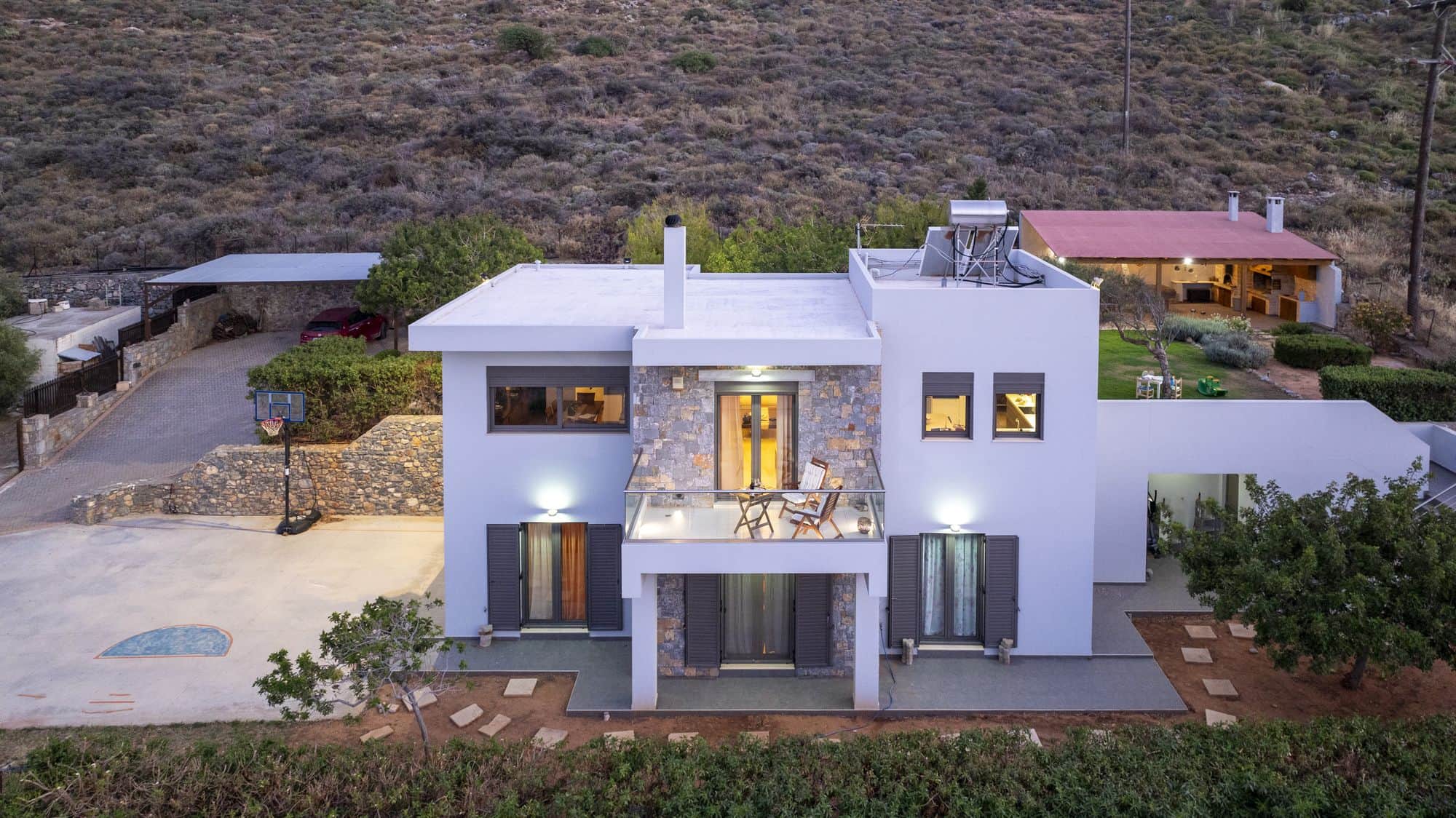
Luxury Villa Kopsas
8 guests · 4 bedrooms
View villa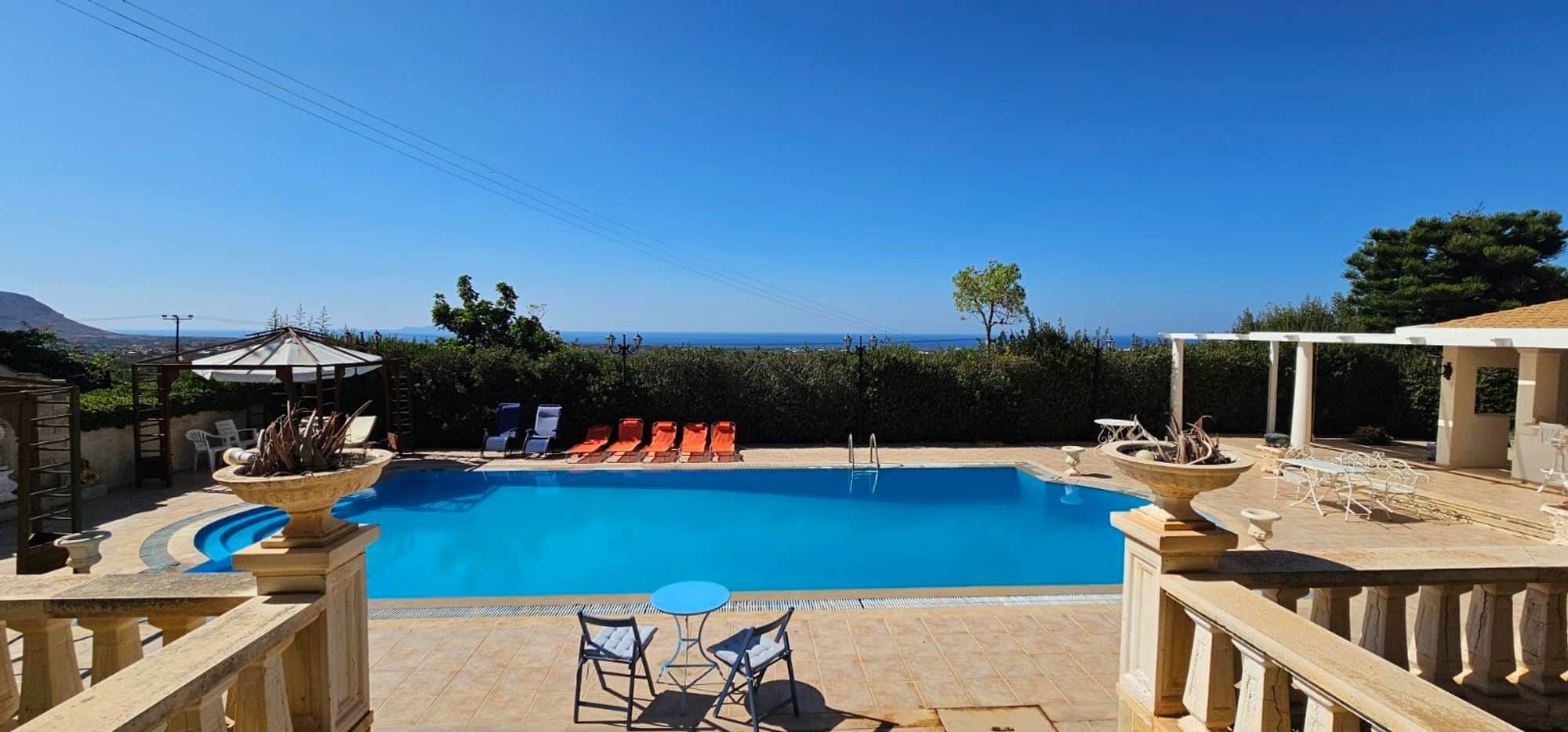 From €650
Heraklion
Palazzo Reale Superior Villa
13 guests · 7 bedrooms
View villa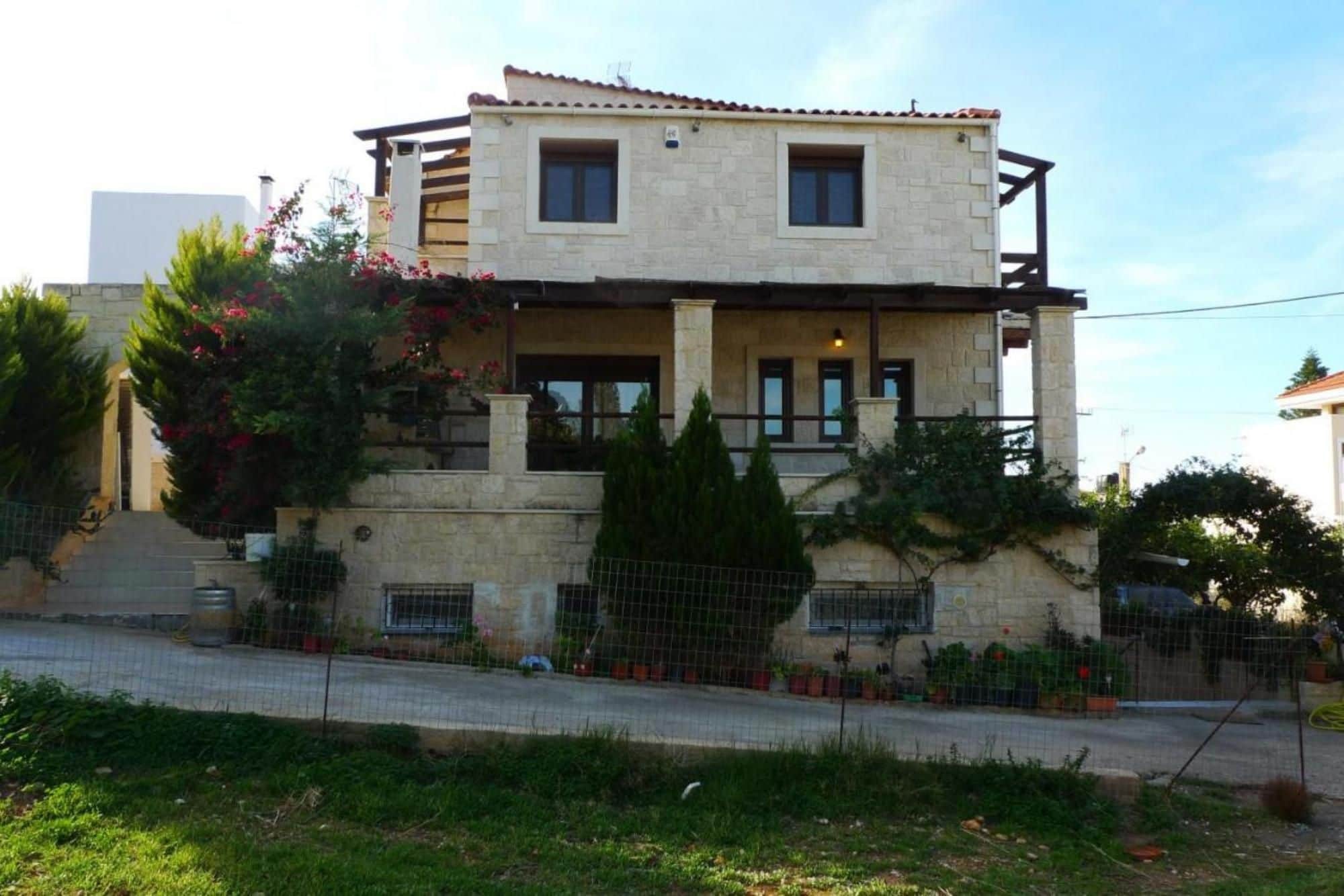 From €430
Heraklion
Stone and Wood Villa
10 guests · 4 bedrooms
View villa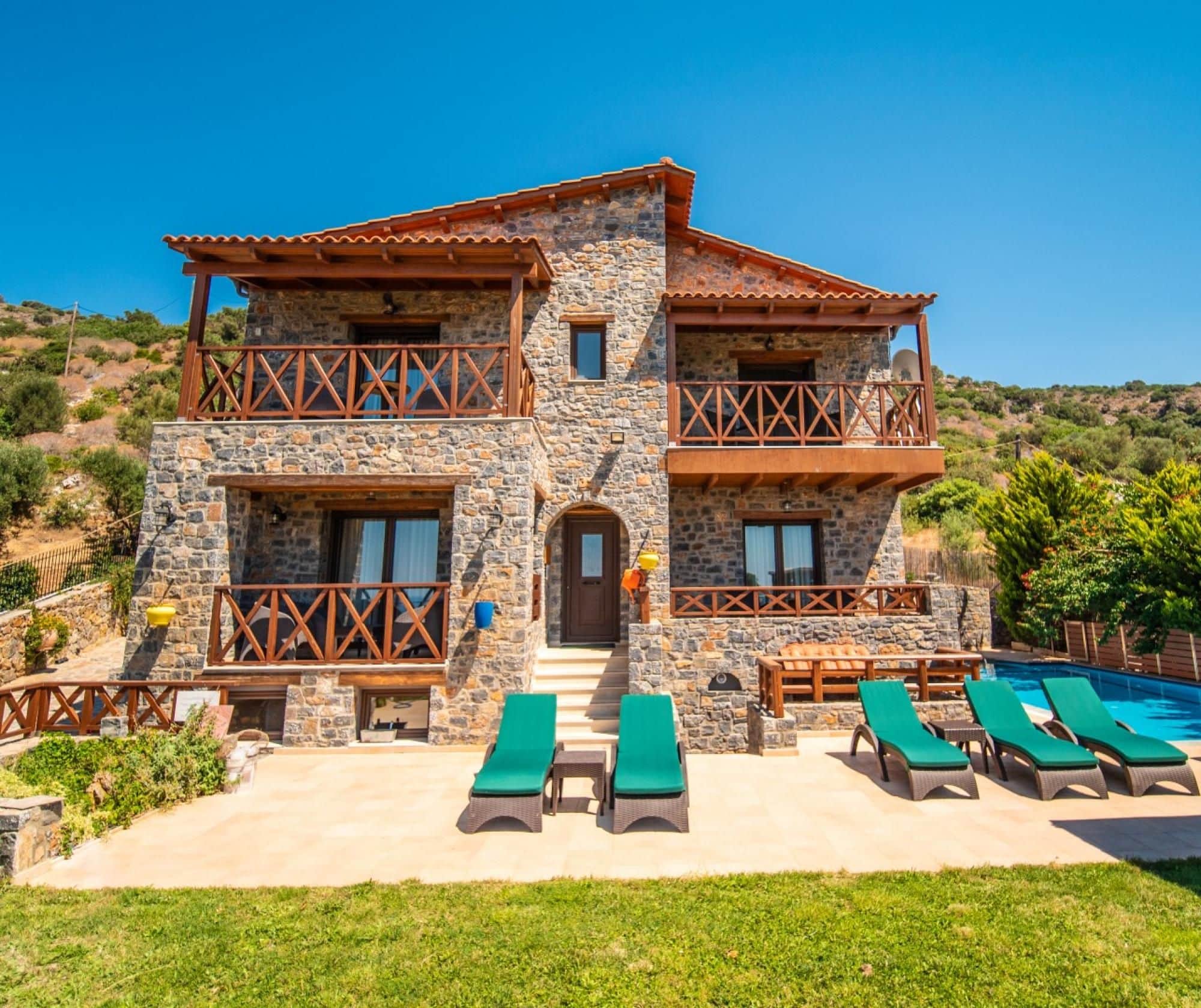 From €570
Milatos, Lasithi
Villa Avia
12 guests · 5 bedrooms
View villa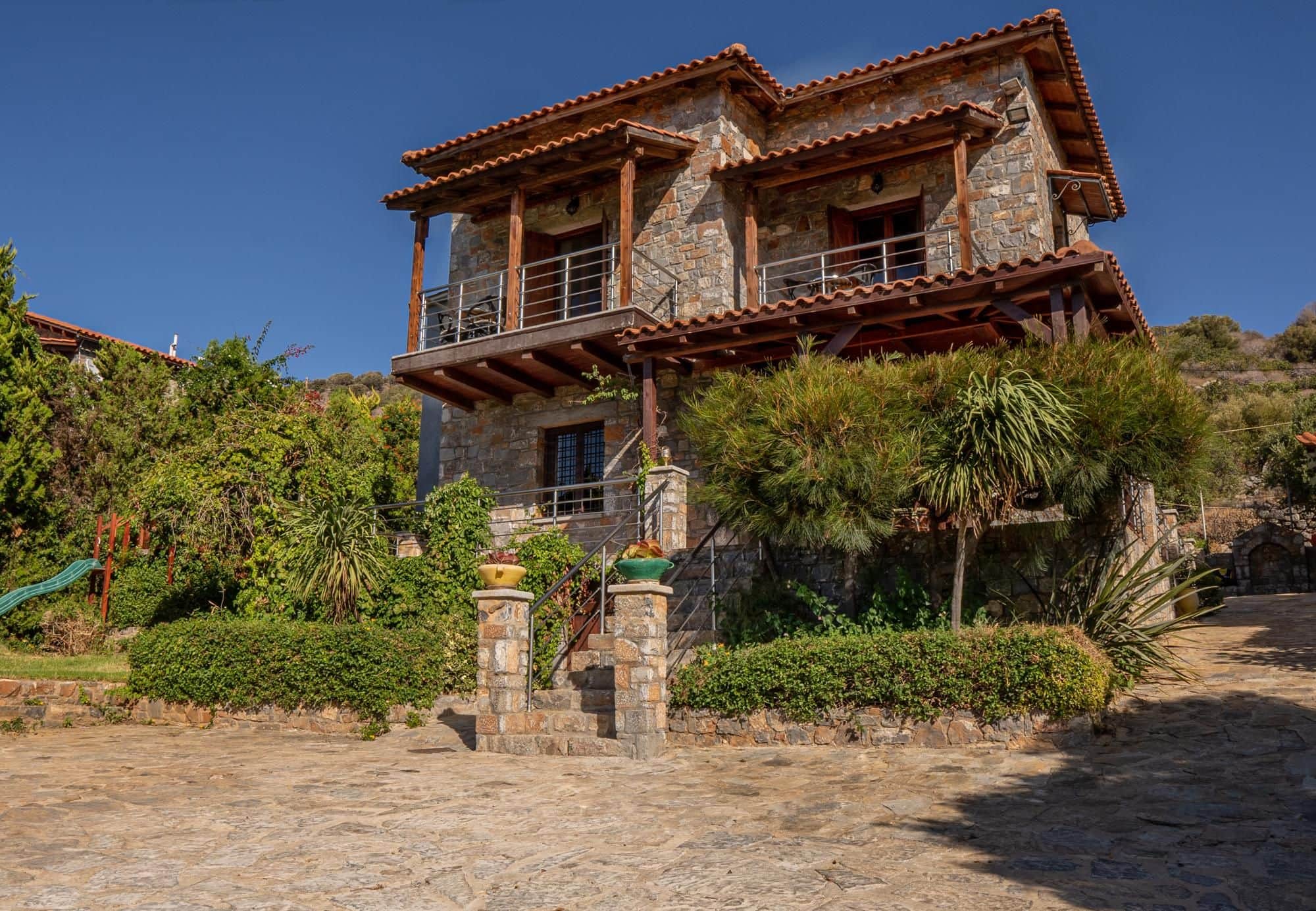 From €450
Lasithi
Iris Stone Built Villa
9 guests · 3 bedrooms
View villa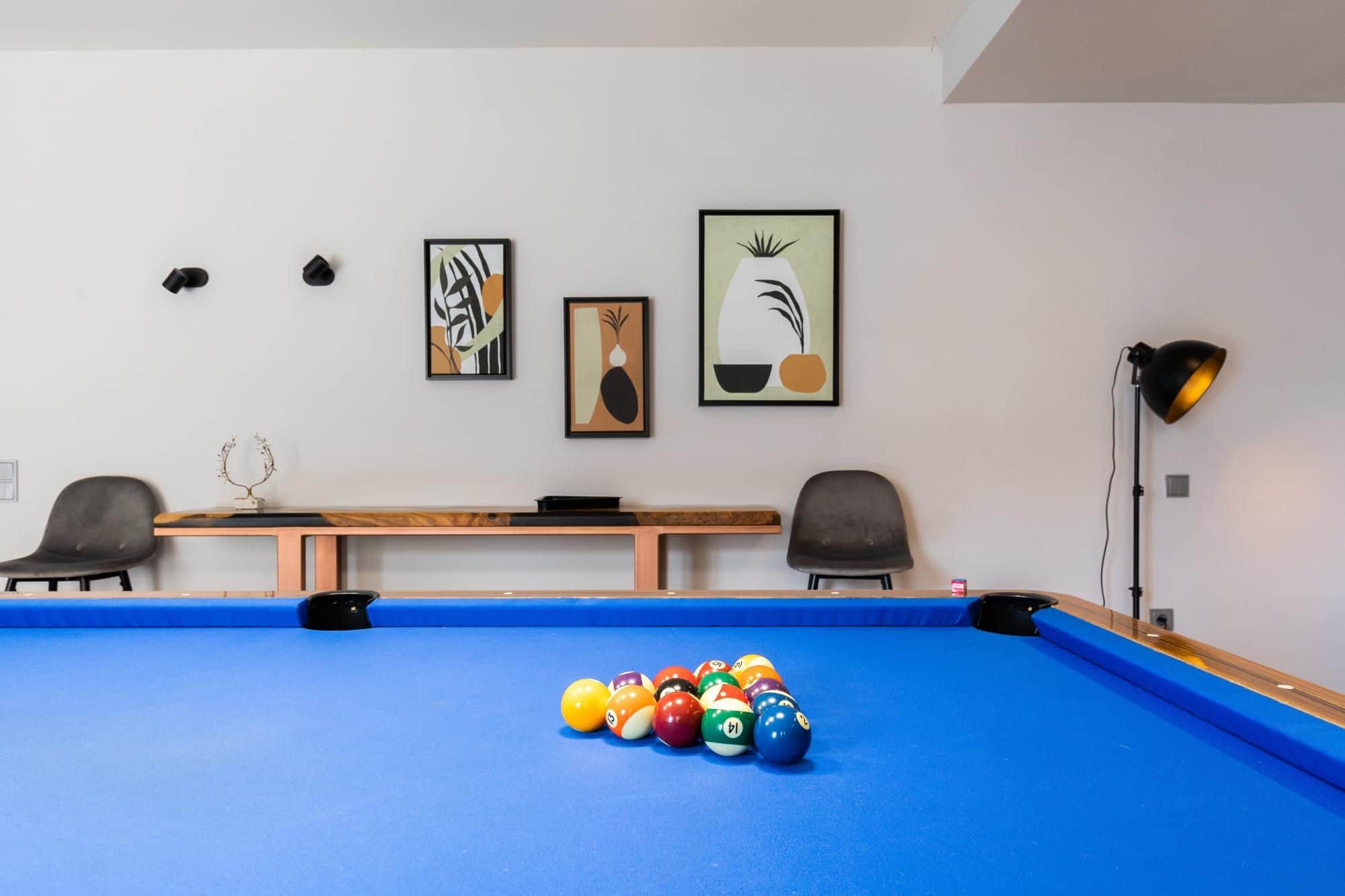 From €560
Lasithi
Blue Horizon Villa
10 guests · 4 bedrooms
View villaBoats without a licence in Crete: frequently asked questions
How far can I actually take a boat without a licence in Crete?
There is no published figure. The permitted area is set against the individual boat's sailing permit and given to you at the briefing before you leave, so it can differ between two boats at the same marina. Ask the operator what your area is before booking if a specific place matters to you.
Is the three nautical mile rule real?
We could not source it. It appears on rental pages and nowhere authoritative, and Greek port rules refer a rented motorised boat to its own sailing permit rather than to a single national radius. We do not publish the figure because we cannot stand behind it.
Can I take a self-drive boat to Dia Island?
Dia is named on the Gouves listings, and it sits seven nautical miles offshore. That is not the same as permission for your particular boat, which is the operator's call. If Dia is the point of the day, a crewed cruise is the reliable way to get there.
Do I need to be 18 to hire one of these boats?
On the Rodia self-drive the person renting must be at least 18 and carry a valid ID or passport. The Gouves listings state no minimum driver age; their note about suiting children from age two is about passengers, not about who drives.
Is fuel included?
Only on the €120 skippered hour from Rodia. On the four Gouves boats fuel is charged on your actual use and settled at the base on return, and it is not included on the Rodia self-drive either. Budget for it separately.
What happens if the weather turns?
None of the six listings publishes a bad-weather policy. All six share the same cancellation line — cancel up to 24 hours before, booking fees non-refundable. Ask the base what they do inside that window before you count on it.
Final Thoughts
The reason this question is hard to answer is not that the answer is complicated. It is that the answer is not a number, and a number is what everyone wants. The limit that binds you is written on the boat's own paperwork and spoken aloud at the briefing, and no amount of searching will produce it in advance.
So plan the other way round. Pick the marina for the coast you actually want, book enough hours to make the run out worth making, and ask your permitted area at the point where the answer can still change your booking. That is a more useful way to think about range than any radius, and it has the advantage of being true.
Browse experiences in CreteExperiences you can book now
 From €15
Heraklion, Crete · 1 hours
Tasting of 5 typical Cretan wines in Heraklion
Check availability From €15
Chania, Crete · 1 hours
Water Mill Cultural Tour & Tasting of local flavors in Chania, Crete
Check availability From €19
Heraklion, Crete · 1 hours
Cretan Wine Tasting near Heraklion
Check availability From €20
Chania, Crete · 1 hours
Small Premium Wine Tasting in Kolymvari, Chania
Check availability From €22
Heraklion, Crete · 1 hours