Knossos and the Heraklion Archaeological Museum: Which First
The frescoes on the walls at Knossos are copies. The originals are five kilometres away, in the Heraklion Archaeological Museum, along with nearly everything else that came out of the ground. That is the whole reason these two visits belong to the same day rather than to two different holidays — the palace has the architecture, the museum has the objects, and each is noticeably thinner without the other.
This guide answers the question people actually ask before booking: which one to do first, what the day costs once both €20 state tickets are counted, and what the guided tours we list do and do not include. It is a planning page, not a history of the Minoans. If you want the wider run of things to do around the capital, our day trips in Crete guide and the Heraklion region page cover that ground.
Quick Summary
Do the palace first and the museum second if this is your first time in Crete: the architecture gives the objects somewhere to belong. Both sites charge €20 for adults, ticketed separately, so budget about €40 a head before any guide. Knossos opens at 08.00 every day of the week; the museum opens at 08.00 too, except on Wednesdays, when in summer it does not open until 13.00. The number 2 city bus connects them in about twenty minutes and stops directly outside the museum on its way to the site, which is what makes the pairing so easy without a car.
Two Halves of One Story
Knossos was split in two by its own excavation. When Arthur Evans rebuilt parts of the palace between 1900 and 1931, the painted panels were replaced on site with copies and the surviving originals went into Heraklion. Stand in front of the Bull-Leaping fresco at the museum and you are looking at the real thing; stand in front of it at the palace and you are looking at a reproduction placed where Evans believed it belonged.
That single fact reorganises the day. The palace gives you scale, plan and place — the central court, the storage magazines with their great jars, the throne room, the residential quarter dropping away to the east. The museum gives you the evidence, across 27 rooms in chronological and thematic units covering roughly seven millennia, from the Neolithic to Roman Crete, redisplayed when the building reopened in 2014 after a full restoration.
One more piece of context worth carrying with you: since 2025 Knossos has been a UNESCO World Heritage Site, inscribed as one of six component parts of the serial property "Minoan Palatial Centres" alongside Phaistos, Malia, Zakros, Zominthos and Kydonia. Anything that still calls it a tentative-list site was written before then.
Palace First or Museum First
Palace first is the right default for a first visit. You walk the plan, you get lost in the layout the way the legend says you should, and then the objects in town land as things that came out of rooms you have just stood in. It also puts the outdoor half of the day in the cooler morning hours, which in July and August is the deciding argument on its own.
Museum first suits two kinds of traveller. If you have read about the Minoans and want to see the frescoes intact before you see the copies in position, the sequence pays off. And if you are arriving on a hot afternoon, an air-conditioned museum at 15.00 followed by the site in the last two hours of light is a far kinder shape than the reverse.
Splitting them across two days is also entirely reasonable, and there is now no ticketing reason not to. Two half-days beat one long day if you are travelling with children or with anyone who runs out of concentration in museums, and Knossos alone is only about two hours.
What the Guided Tours Include, and What They Do Not
Both guided tours we list are guide-only services, and we would rather say so plainly than let you find out at the gate. Each is €80 per person for about an hour and a half with a licensed guide who is a historian-archaeologist, in a shared group of no more than fifteen, with a minimum of two guests. Children aged up to twelve are €50.
What is not included is the entrance ticket. That is not a quirk of our listings — in Greece only state-certified guides may lead a tour inside an archaeological site, and the admission fee is collected separately by the state. Both bookings ask you to arrive ten minutes early so the guide can meet you and you can buy your tickets. It also means neither tour gives you priority entry, whatever "skip the line" language you may have seen elsewhere, and we are not going to imply otherwise.
The trade is straightforward. At Knossos, where the signage is sparse and a great deal of what you photograph is early twentieth-century reconstruction, a guide is the difference between ruins and a building. At the museum, where the labels are good and the layout is clear, the guide is a smaller gain but a real one, mostly in choosing what to skip.
Tickets and What the Day Costs
Full admission is €20 at Knossos and €20 at the museum, both checked in August 2026. Any page still quoting €15 for Knossos predates the April 2025 repricing of Greek state sites. Concession rates do exist, but the eligibility windows published by the Ministry and by the museum contradict each other and neither covers June to September, so a summer visitor should budget full price and ask at the desk rather than count on a discount.
Free entry is wider than most people realise. Admission is free year-round for under-25s who are citizens of an EU member state and for under-18s from outside the EU, on presentation of ID or a passport, and for visitors with a disability certificate plus one companion. The fixed free days — 6 March, 18 April, 18 May, the last weekend of September, 28 October, and the first and third Sunday of each month from 1 November to 31 March — all fall outside the summer.
The combined ticket needs a warning, because it is quoted everywhere and we cannot stand it up. A single Knossos-and-museum ticket valid for three days appears on travel sites at both €20 and €30, but the official state ticket store lists one product per venue at €20 each and no combined product, and the museum's own pricing table shows €20 with no combined line. Budget two separate €20 tickets and treat anything cheaper as a bonus.
Tickets carry timed entry, and an online ticket is valid for one entry on a chosen date and time. That matters if you are also booking a guide, because our guided bookings assume you buy at the gate on arrival — if you pre-book online instead, match the slot to the tour's start time. You can still buy at the desk on the day with a card, and state tickets are non-refundable, so cancelling a tour does not get the admission back.
Culture and history experiences you can book
 From €70
Heraklion, Crete · 3 hours
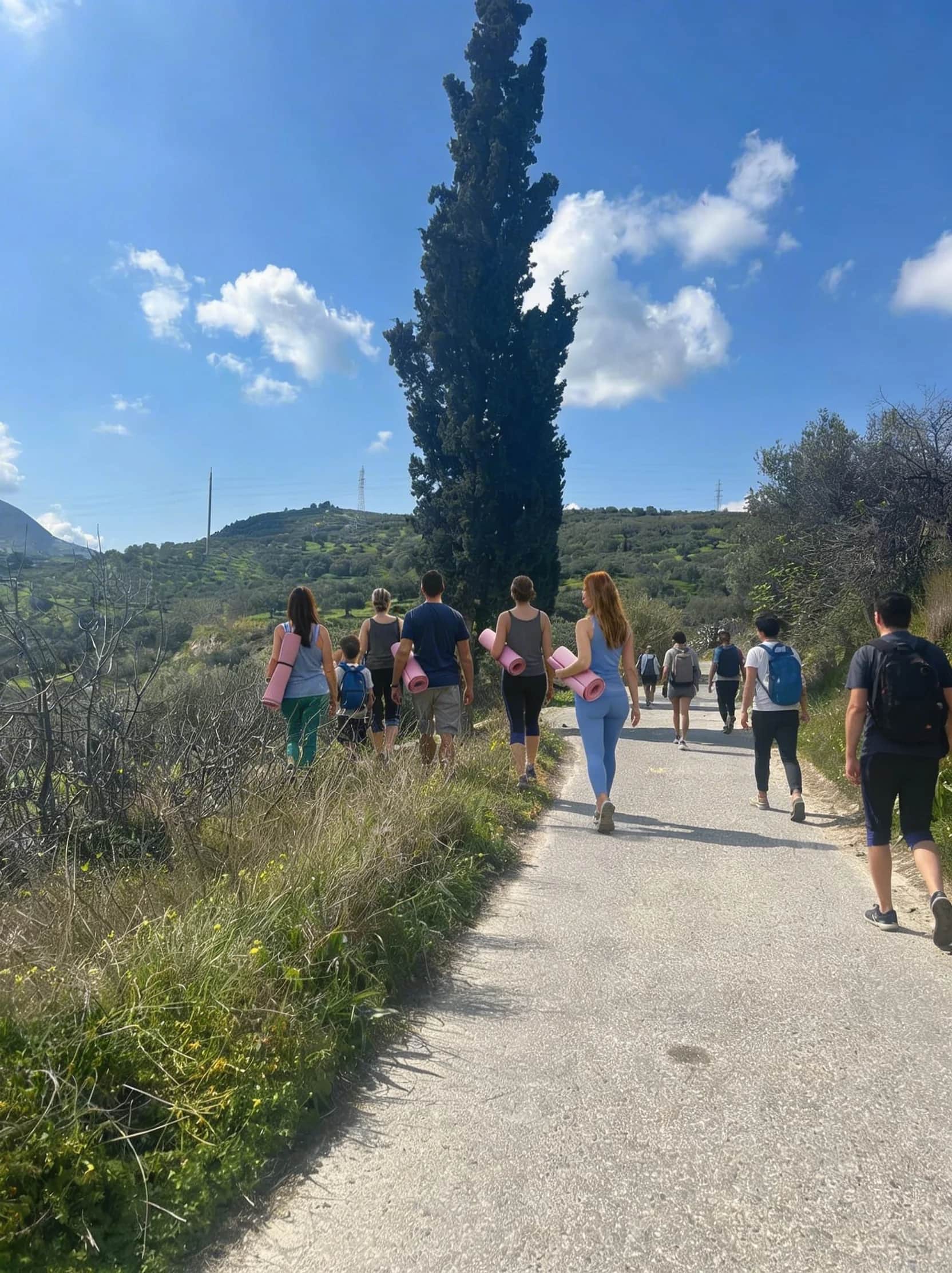
Minoan Energy , Hiking, Labyrinth Meditation and a Cretan Authentic Brunch in Heraklion
Check availability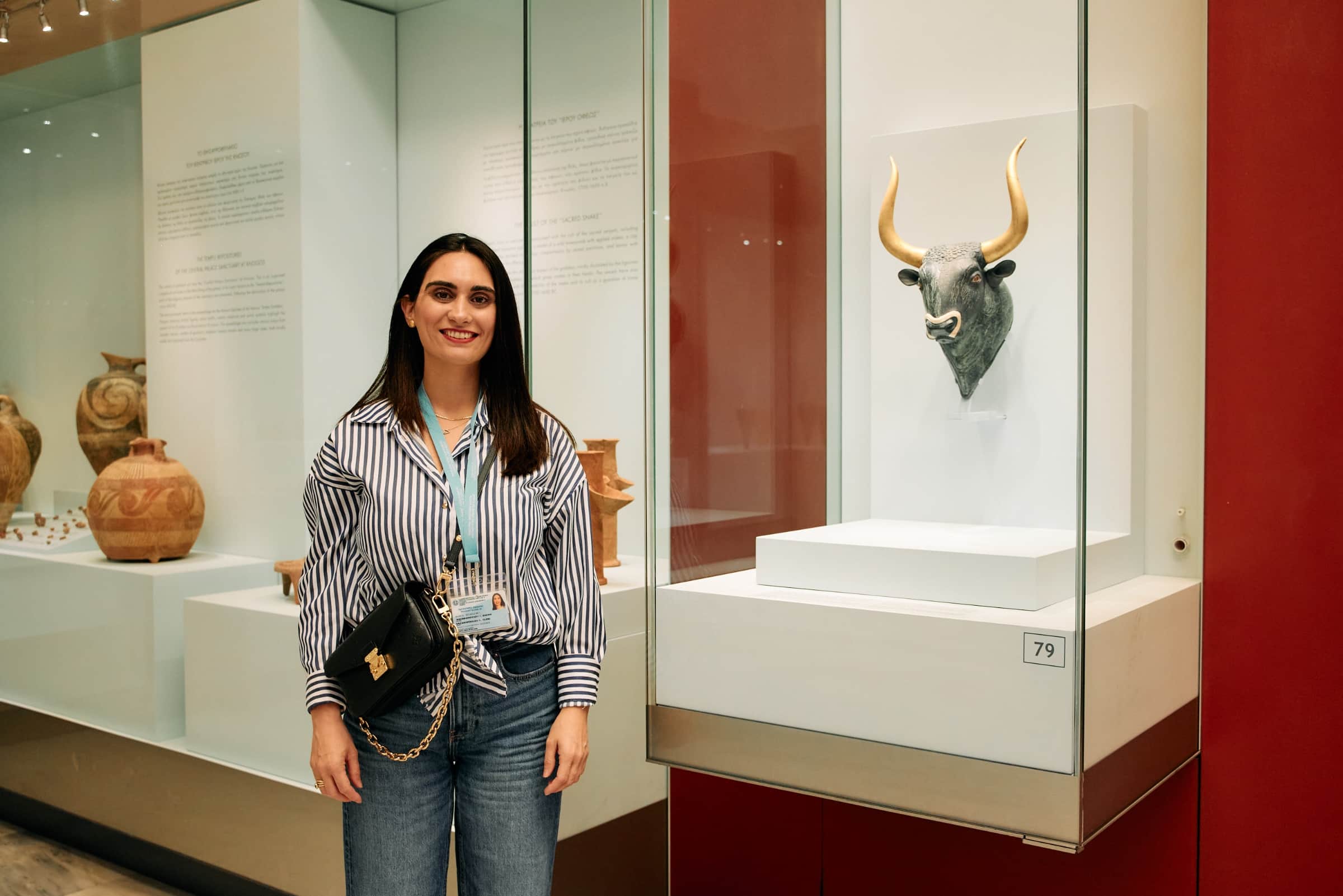 From €80
Heraklion, Crete · 1 hours
Heraklion Archaeological Museum: The Treasures of Minoan Crete
Check availability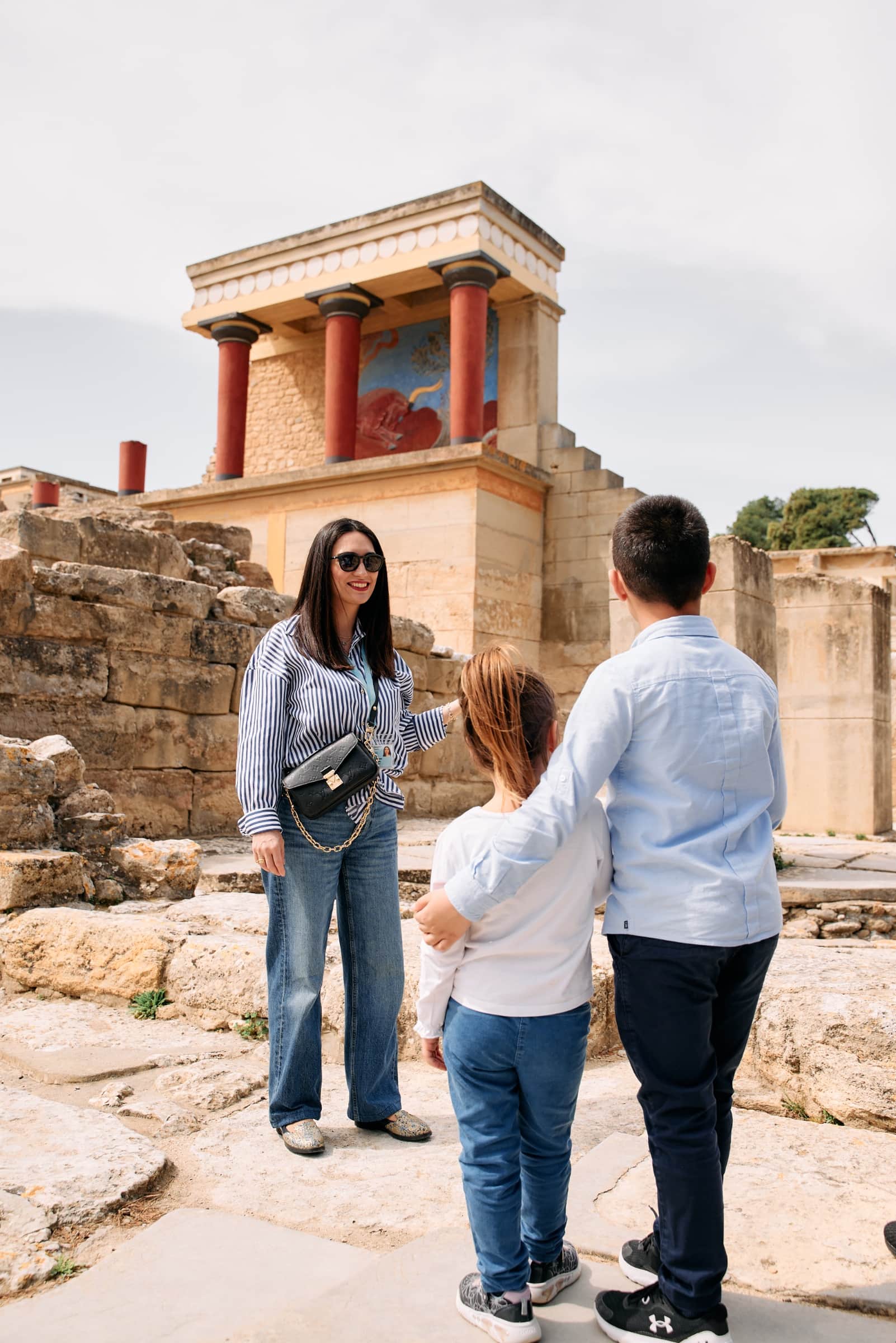 From €80
Heraklion, Crete · 1 hours
Knossos Palace in Heraklion, delve into the Labyrinth
Check availability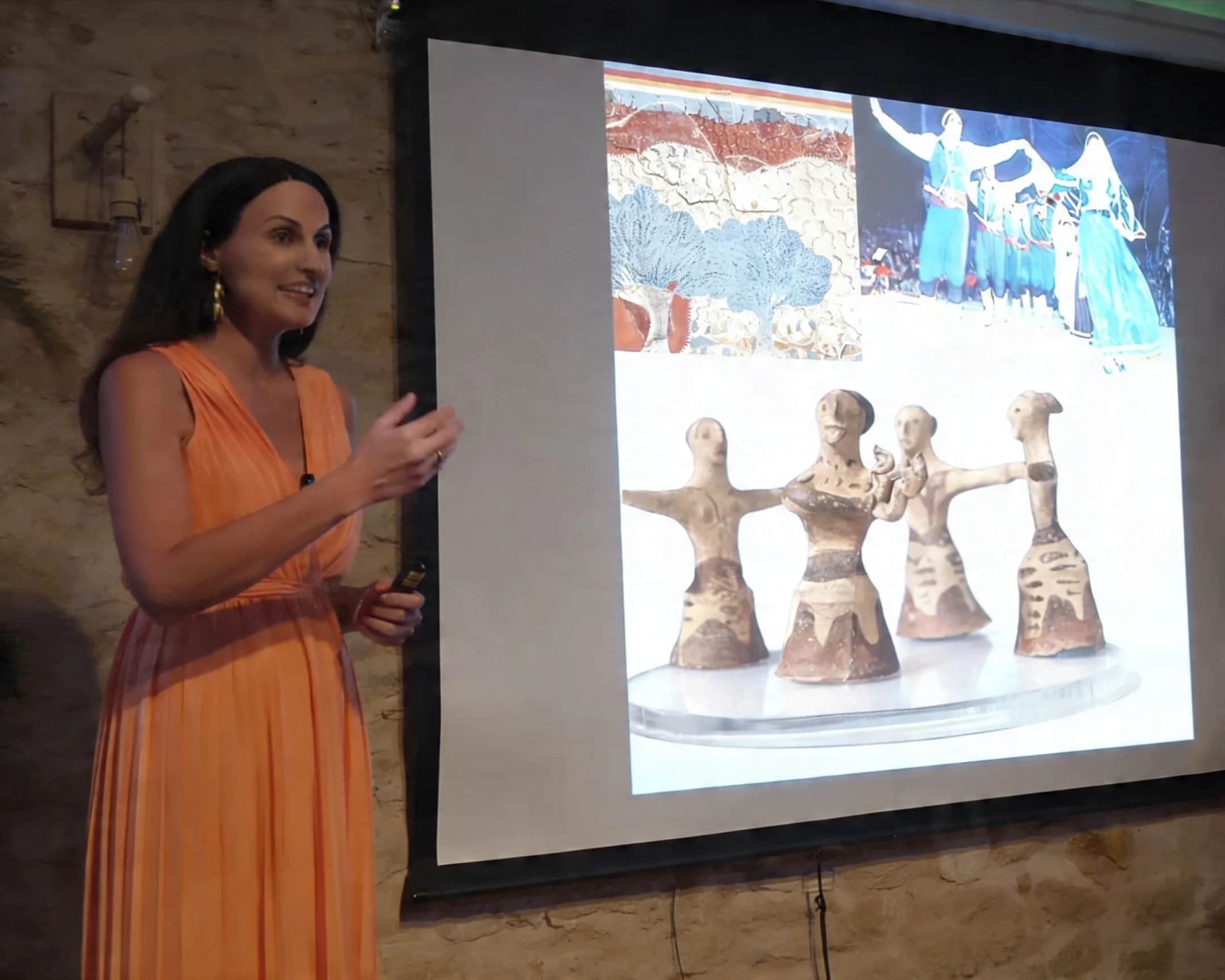 From €95
Heraklion, Crete · 3 hours
Minoan Cultural Festival in Heraklion, Crete: Astronomy, Dance & Local Food Experience
Check availabilityOpening Hours and the Wednesday Trap
Knossos opens at 08.00 and is open every day of the week. Closing moves through the season rather than switching once: 20.00 from 1 April, 19.30 from 1 September, 19.00 from mid-September, 18.30 from 1 October and 18.00 from mid-October, then 08.30 to 17.00 from 1 November. Both venues stop admitting before the stated closing time, so do not arrive in the last half hour.
The museum is where days go wrong. Through the summer season it opens 08.00 to 20.00 — except on Wednesdays, when it opens at 13.00. A Wednesday morning museum visit is the single most common failed plan in Heraklion, and a guided palace tour that finishes at midday on a Wednesday leaves you standing outside a closed door. The museum stops admitting twenty minutes before closing. It also no longer has a weekly closing day: the "closed on Tuesdays" line still printed in guidebooks and repeated in some official boilerplate is simply wrong now.
Both are shut on 1 January, 25 March, Greek Orthodox Easter Sunday, 1 May, 25 December and 26 December, and both open late, from 12.00, on Good Friday. Winter hours at the museum change from early November and had not been published when we wrote this, so check before a late-autumn visit.
Getting Between Them on the Number 2 Bus
City bus line 2 is the reason this pairing works without a hire car. It runs from the port terminal up to Knossos and back, calling at the intercity bus station and then at Eleftherias Square — which is the stop outside the Archaeological Museum — before climbing Knossos Avenue to the site. The ride takes roughly twenty minutes, and the museum is not a detour from it but a stop on it.
That gives you a clean shape for the day: bus out to the palace in the morning, bus back down and step off at Eleftherias Square, museum, then lunch in the old town. Buy the bus ticket before boarding, since paying on board costs more, and check the current timetable on astiko-irakleiou.gr — the operator is Astiko KTEL Irakleiou and the schedule changes seasonally. From the cruise passenger terminal it is about a fifteen-minute walk into that part of town.
A taxi from the centre takes about ten minutes; agree the fare first or make sure the meter is running, because Greek tariffs vary by time and pickup point. If you drive, the lots by the site vary between free and private, so read the signage rather than following whoever waves you in.
Heat, Crowds and the Case for an Early Start
Knossos is almost entirely open ground. There are no canopies over most of the excavated areas, the stone reflects the heat, and the walk takes around two hours. In July 2026 this stopped being a comfort question: on Tuesday 21 July two visitors collapsed as the on-site temperature reached 43°C and the palace closed from 13.00 to 17.00, and it closed again the following day from midday. These shutdowns are declared at a few hours' notice rather than published in advance, so in a heatwave the only reliable plan is to be at the gate for opening.
Crowds push the same way. Knossos passed a million visitors in 2024 and takes more than five thousand people a day in high summer, a rise Greek reporting ties directly to the growth in cruise calls at Heraklion. The site fills through the middle of the day as coaches and shore excursions arrive and thins out again late. Open early or come for the last hours — and if your date has several ships in port, expect the museum to be busy too, since it is the other stop every shore excursion makes.
Minoan Crete Without a Ticket Queue
If two ticketed sites in a day sounds like more archaeology than you want, there are two Minoan-themed bookings near Knossos that involve no queue at all.
The three-hour Minoan Energy walk (€70) takes a small group through the countryside around Knossos, past an old aqueduct and a village, with a labyrinth meditation and a homemade Cretan brunch at the end. It does not enter the archaeological site — that is the point of it — and it suits travellers who want the landscape and the myth rather than the excavation. It runs from age seven up, with a minimum of three guests.
The Minoan Cultural Festival evening (€95, three hours) is a small-group session rather than a public event, built around an astronomy presentation, a Cretan dance session and tastings of wine, olive oil, cheeses and handmade pies. It includes alcohol, so treat it as an adult evening even though children can join. If the evening rather than the afternoon is the gap in your plan, our guide to Heraklion after dark has the rest of it.
Common Mistakes to Avoid
The first is assuming the guide price includes the ticket. For a family of four at Knossos that is an €80 surprise at the gate.
The second is the Wednesday morning museum, covered above and worth repeating because it catches somebody every week.
The third is doing Knossos and skipping the museum. You will have seen copies of the frescoes and none of the objects, which is half the story for the sake of twenty minutes on a bus.
The fourth is arriving at midday in July or August. At best the site is at its fullest; at worst it is closed for the afternoon.
The fifth is booking a long guided day for young children. Knossos works from about six upwards, and about an hour of concentration is realistic — our Crete with kids guide sets out how to pace it.
Where to Stay
Heraklion city is the obvious base, and the reason is the bus: from anywhere inside the Venetian walls you are twenty minutes from the palace and a few minutes' walk from the museum, with no parking decision at either end. The streets around Eleftherias Square and the old town put you between the two sites with the restaurants in between. Staying out along the Ammoudara or Agia Pelagia coast works too and simply adds a beach to the afternoon, while the wine villages inland at Archanes and Peza sit twenty minutes further south on the same side of the city.
We run our own villa company, My Creta Villa, so the houses below are ours rather than an affiliate list. For this particular day a villa with a kitchen earns its keep: the plan works best when you leave early, eat late and do not have to be anywhere for breakfast.
Villas around Heraklion and Knossos
My Creta Villa is our own villa company — same family as this guide.
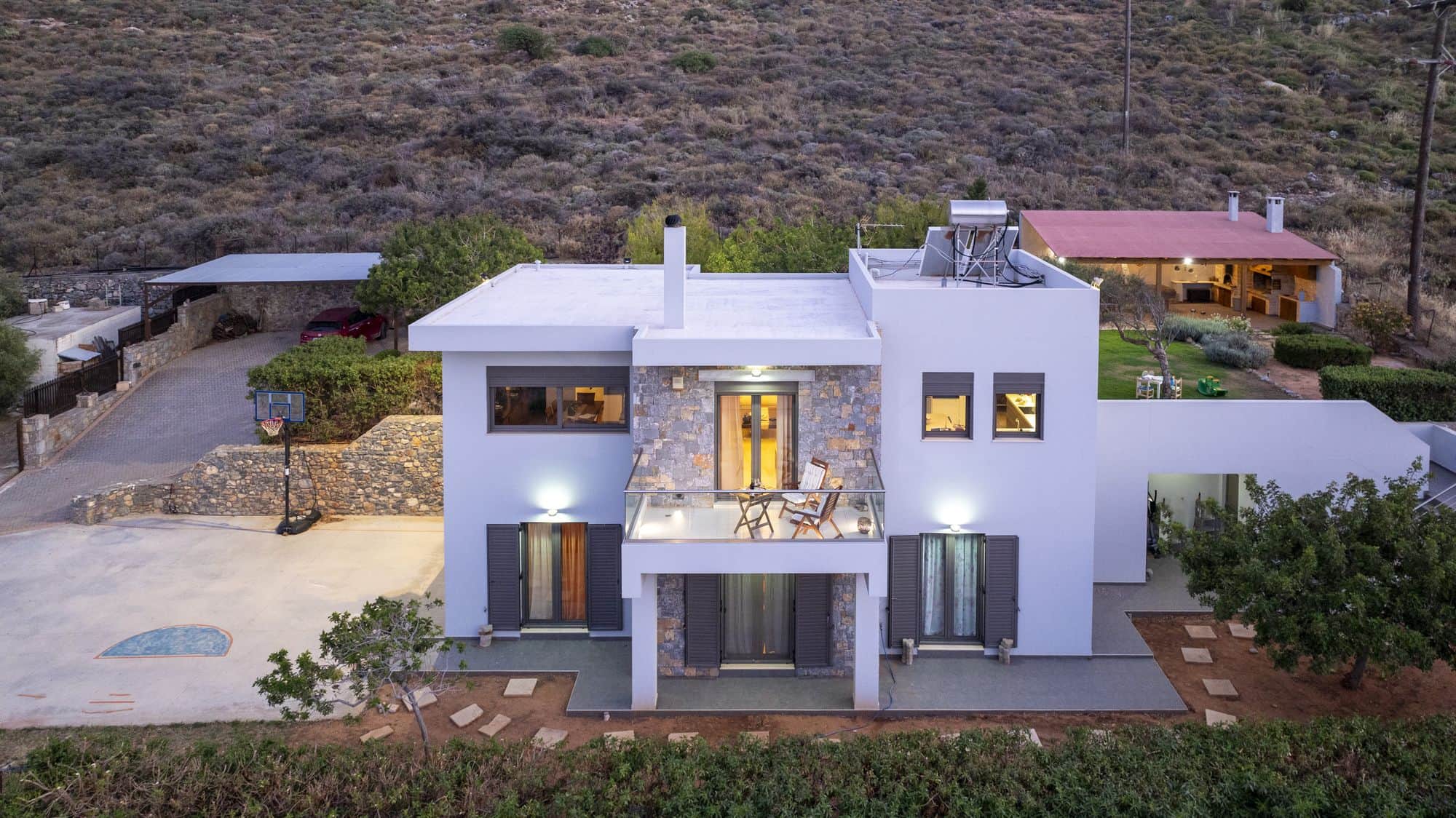 From €400
Heraklion
Luxury Villa Kopsas
8 guests · 4 bedrooms
View villa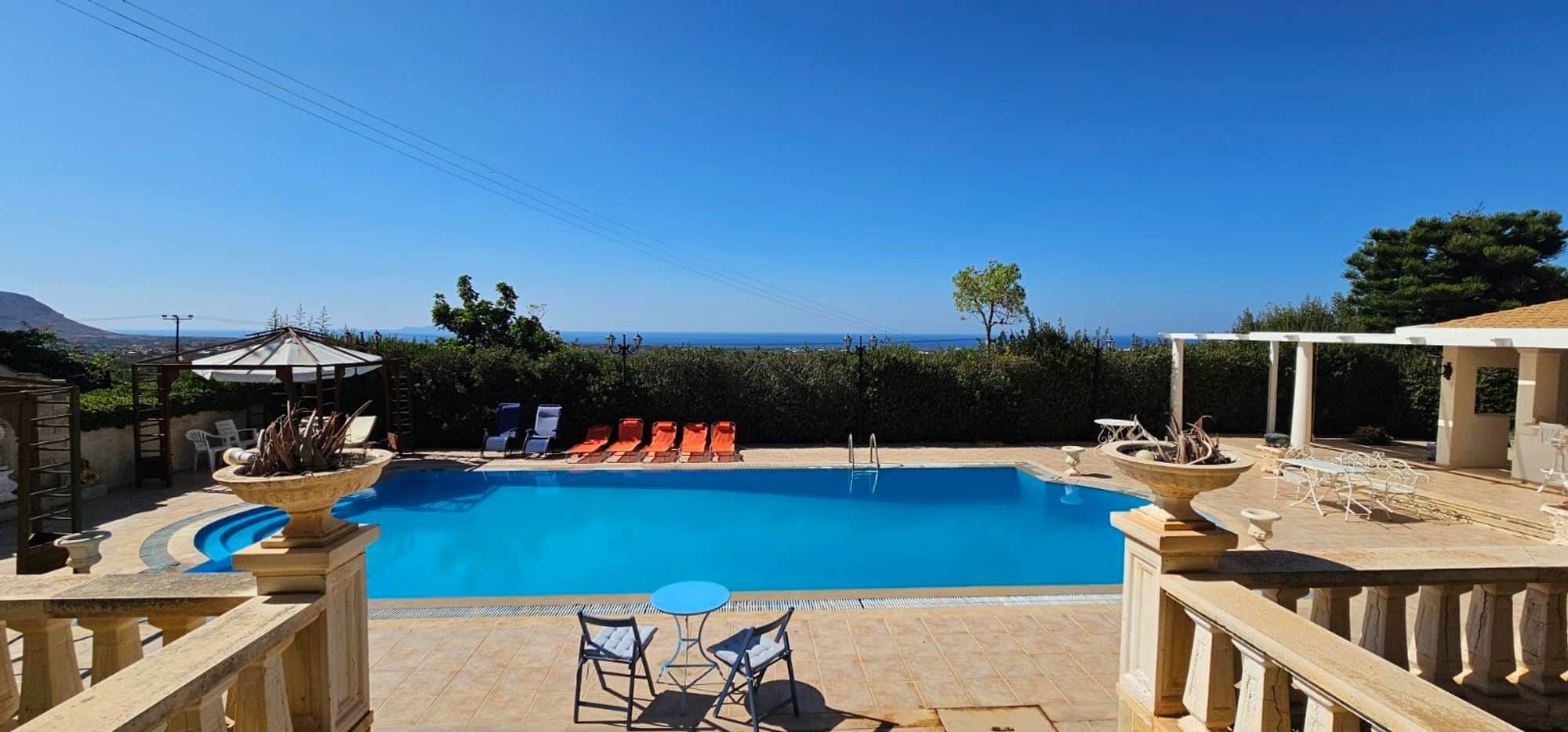 From €650
Heraklion
Palazzo Reale Superior Villa
13 guests · 7 bedrooms
View villa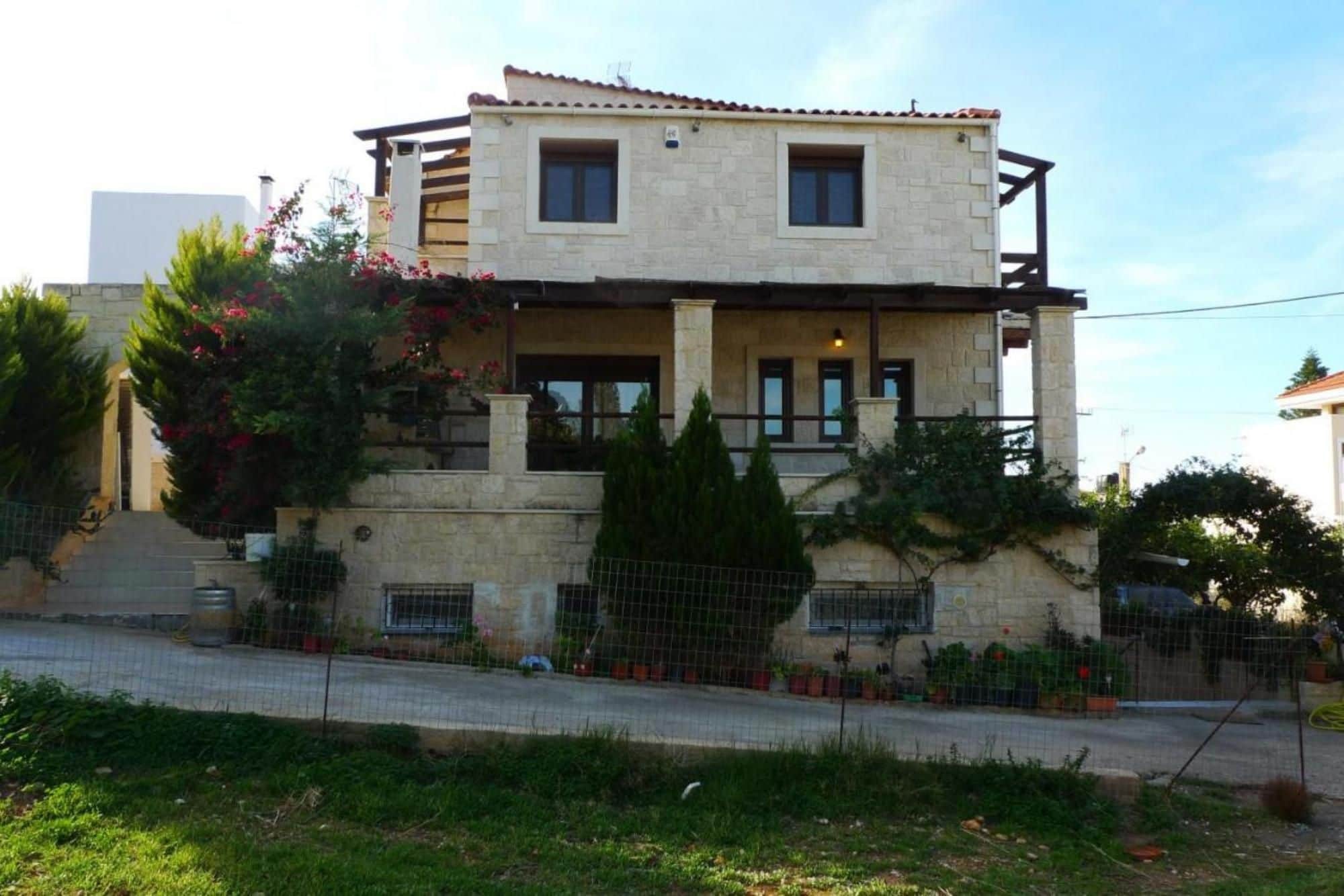 From €430
Heraklion
Stone and Wood Villa
10 guests · 4 bedrooms
View villa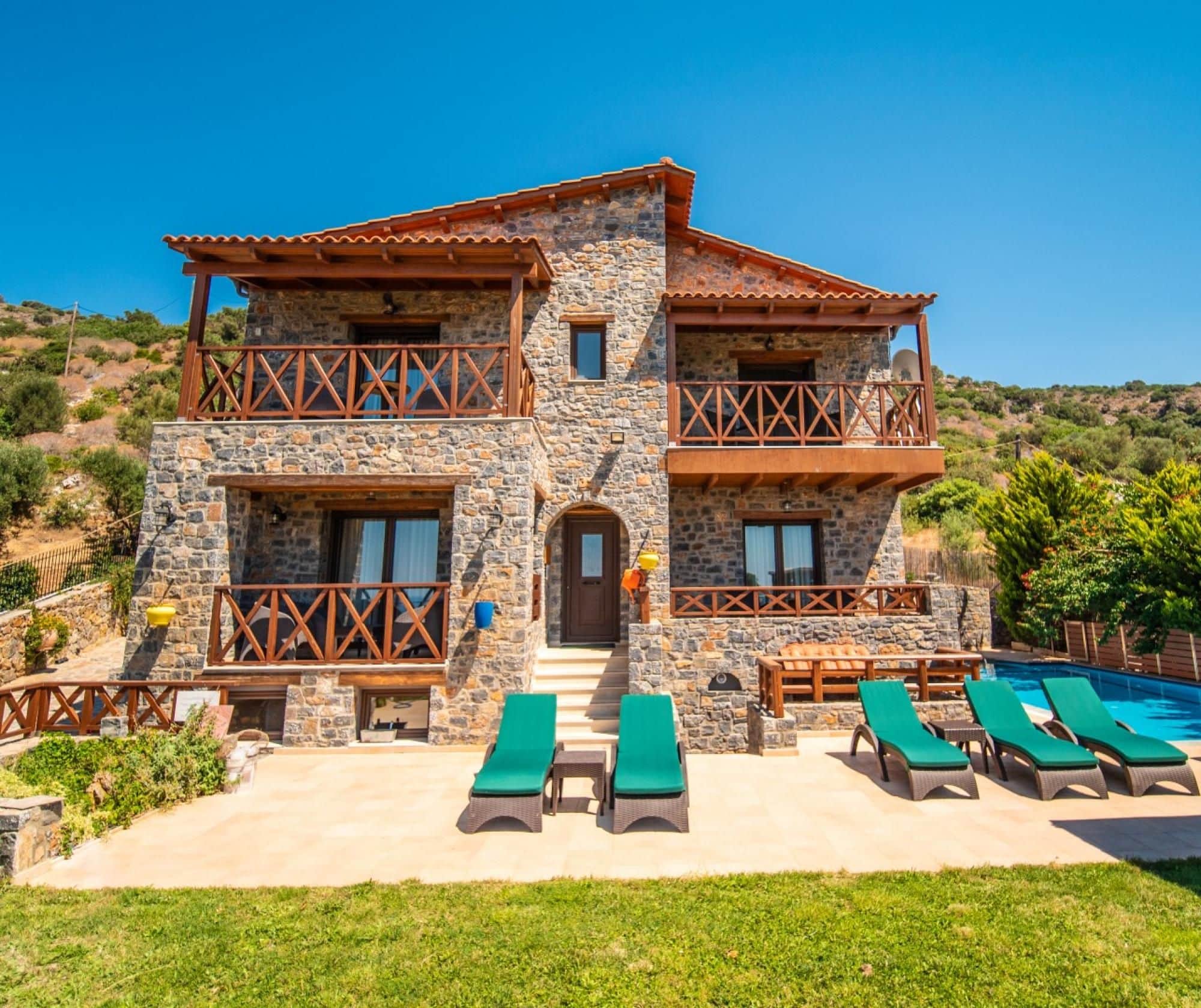 From €570
Milatos, Lasithi
Villa Avia
12 guests · 5 bedrooms
View villa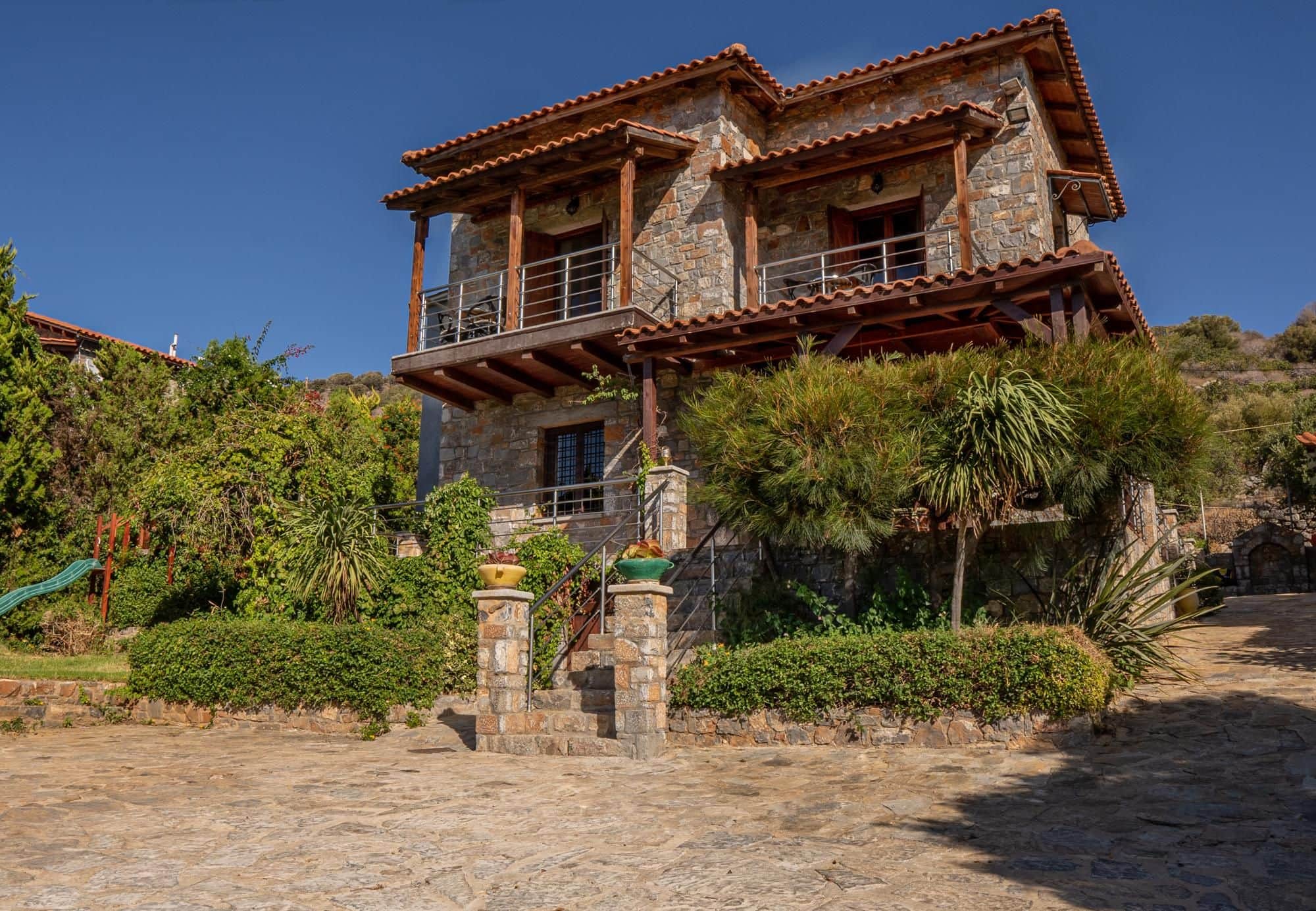 From €450
Lasithi
Iris Stone Built Villa
9 guests · 3 bedrooms
View villa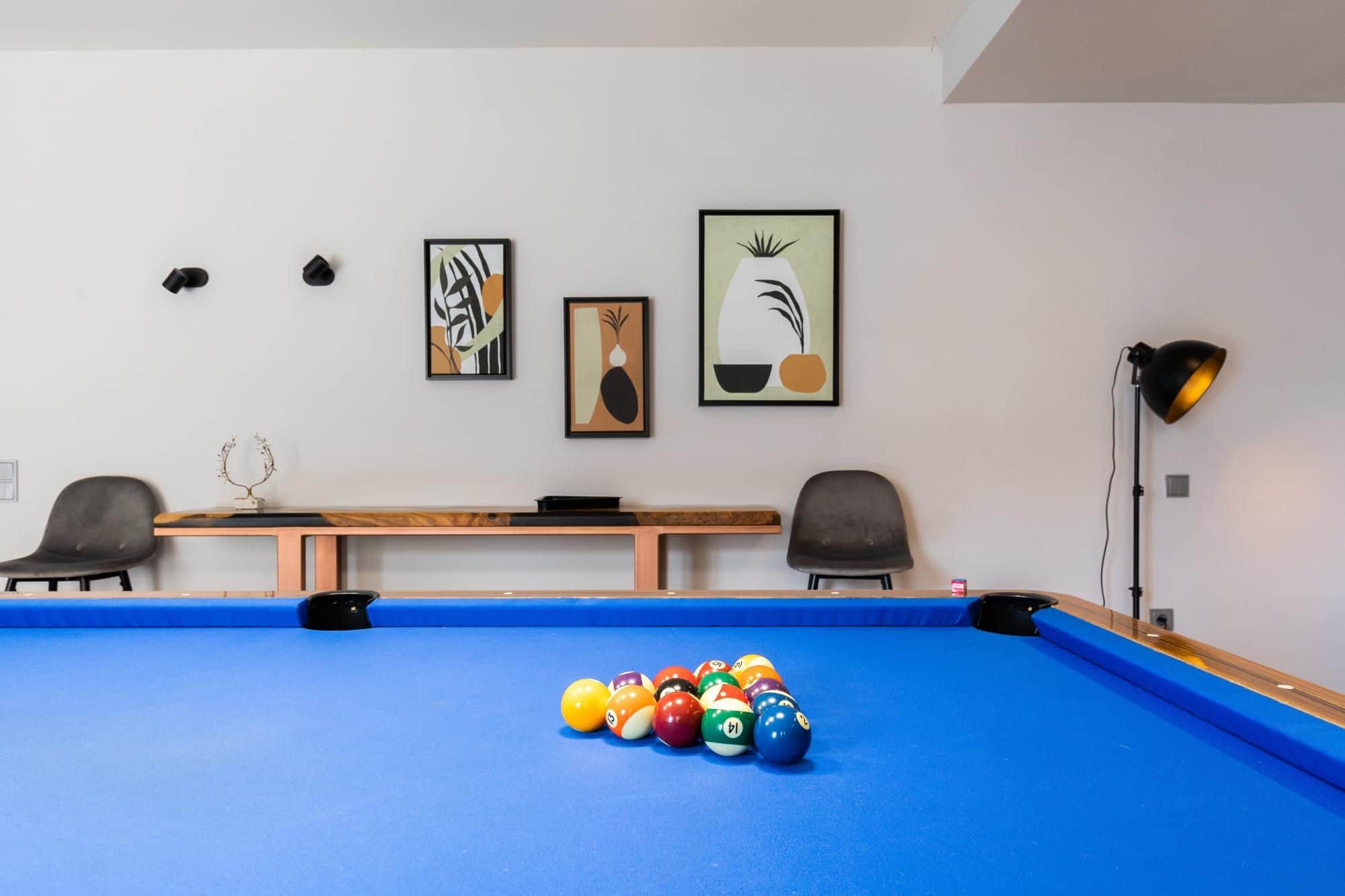 From €560
Lasithi
Blue Horizon Villa
10 guests · 4 bedrooms
View villaKnossos and the Heraklion museum: frequently asked questions
Should I visit Knossos or the Archaeological Museum first?
Palace first is the better default for a first visit, because the architecture gives the objects a home and it puts the outdoor half of the day in the cooler morning. Museum first suits readers who want to see the real frescoes before the copies, or anyone escaping a hot afternoon. The only hard constraint is the museum's Wednesday opening, which is 13.00 in summer.
Can you do Knossos and the museum in one day?
Comfortably. Knossos takes about two hours, the museum about the same, and the number 2 bus links them in roughly twenty minutes with a stop directly outside the museum. Start at the 08.00 opening at the palace and you will be eating lunch in the old town before the museum.
How much do tickets cost for Knossos and the museum?
€20 for adults at each site, so about €40 for both, checked in August 2026. Concession rates exist but the published eligibility windows conflict and none covers June to September. Entry is free year-round for under-25s from EU countries and under-18s from elsewhere on presentation of ID.
Is there a combined ticket for Knossos and the Heraklion museum?
We cannot confirm one for 2026. A three-day combined ticket is widely quoted online at both €20 and €30, but the official state ticket store lists a single €20 product for each venue and no combined option, and the museum's own pricing table shows €20 with no combined line. Budget two separate tickets.
Do the guided tours include the entrance tickets?
No. Both the Knossos and the museum tours we list are €80 per person for a licensed guide only, with a minimum of two guests and a maximum of fifteen. You buy the €20 state ticket yourself, and the booking asks you to arrive ten minutes early to do it, so there is no priority entry either.
How long does the guided tour of Knossos last?
About an hour and a half. Allow around two hours on site in total if you want to walk back through the central court or the storage magazines afterwards, plus twenty minutes each way from Heraklion.
Final Thoughts
The mistake most people make with Knossos is treating it as a single attraction to be ticked off between beaches. It is not one place, it is two halves of one excavation that were separated a century ago and now sit twenty minutes apart on the same bus route. Do both, in either order, and the Minoans stop being a name on a sign.
Book the palace early in the day, keep €40 aside for the two state tickets, avoid the museum on a Wednesday morning, and give the afternoon to the objects. If July heat or a heavy cruise day threatens the plan, move the whole thing to first light rather than trying to push through it.
Browse experiences in CreteExperiences you can book now
 From €15
Heraklion, Crete · 1 hours
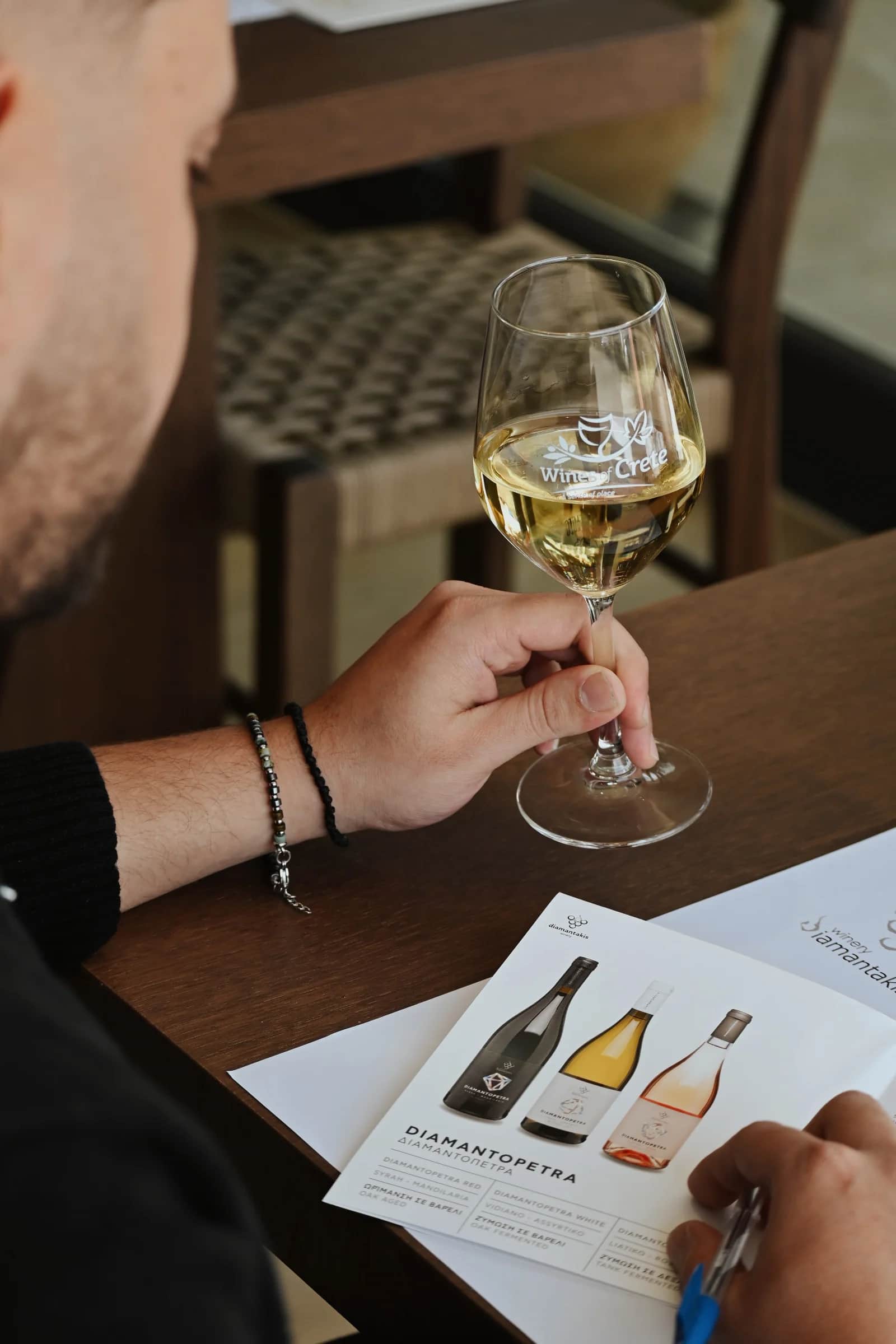
Tasting of 5 typical Cretan wines in Heraklion
Check availability From €19
Heraklion, Crete · 1 hours
Cretan Wine Tasting near Heraklion
Check availability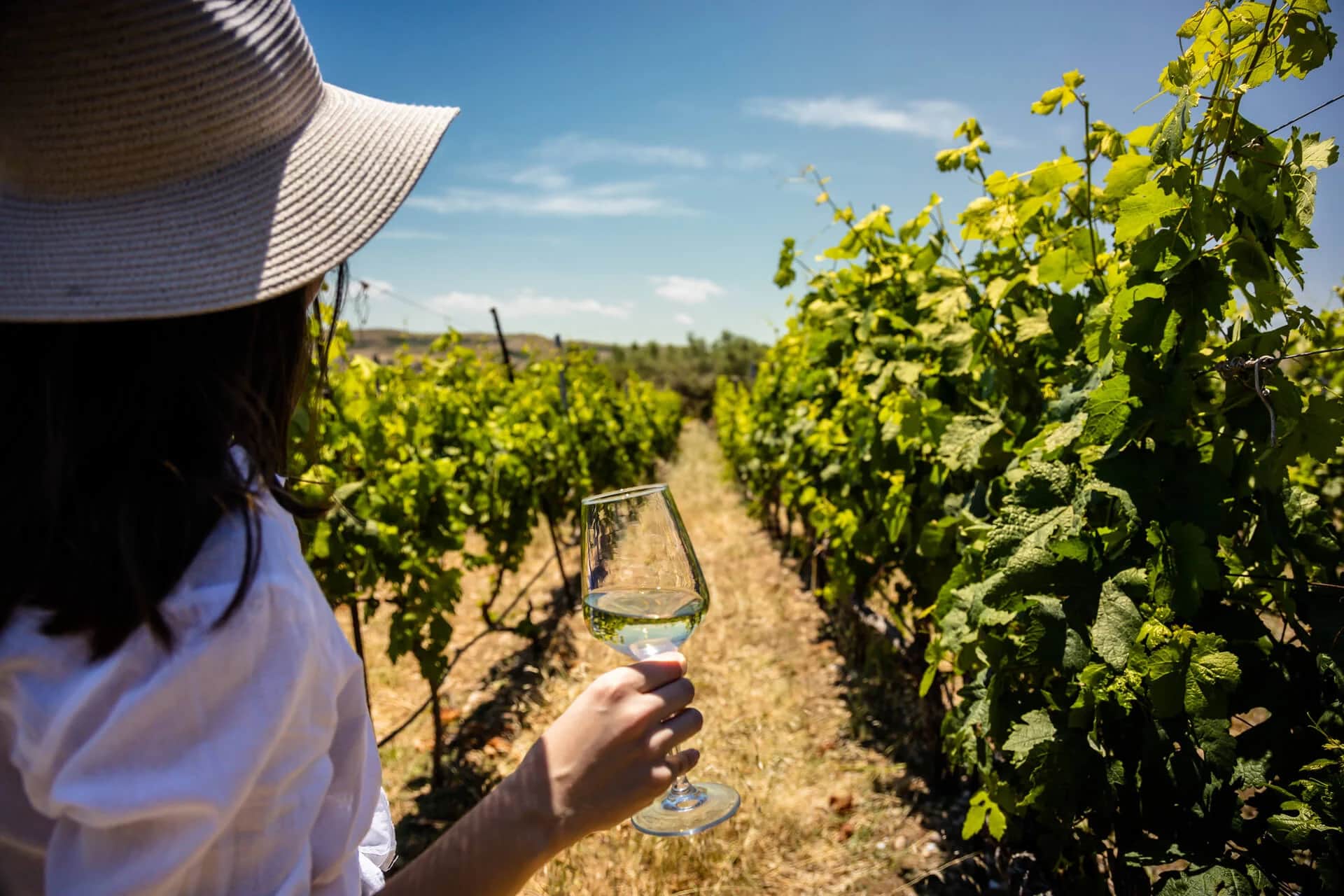 From €22
Heraklion, Crete · 1 hours
Winery Experience in Heraklion, Crete: Vineyard Tour, Cellar Visit & Wine Tasting
Check availability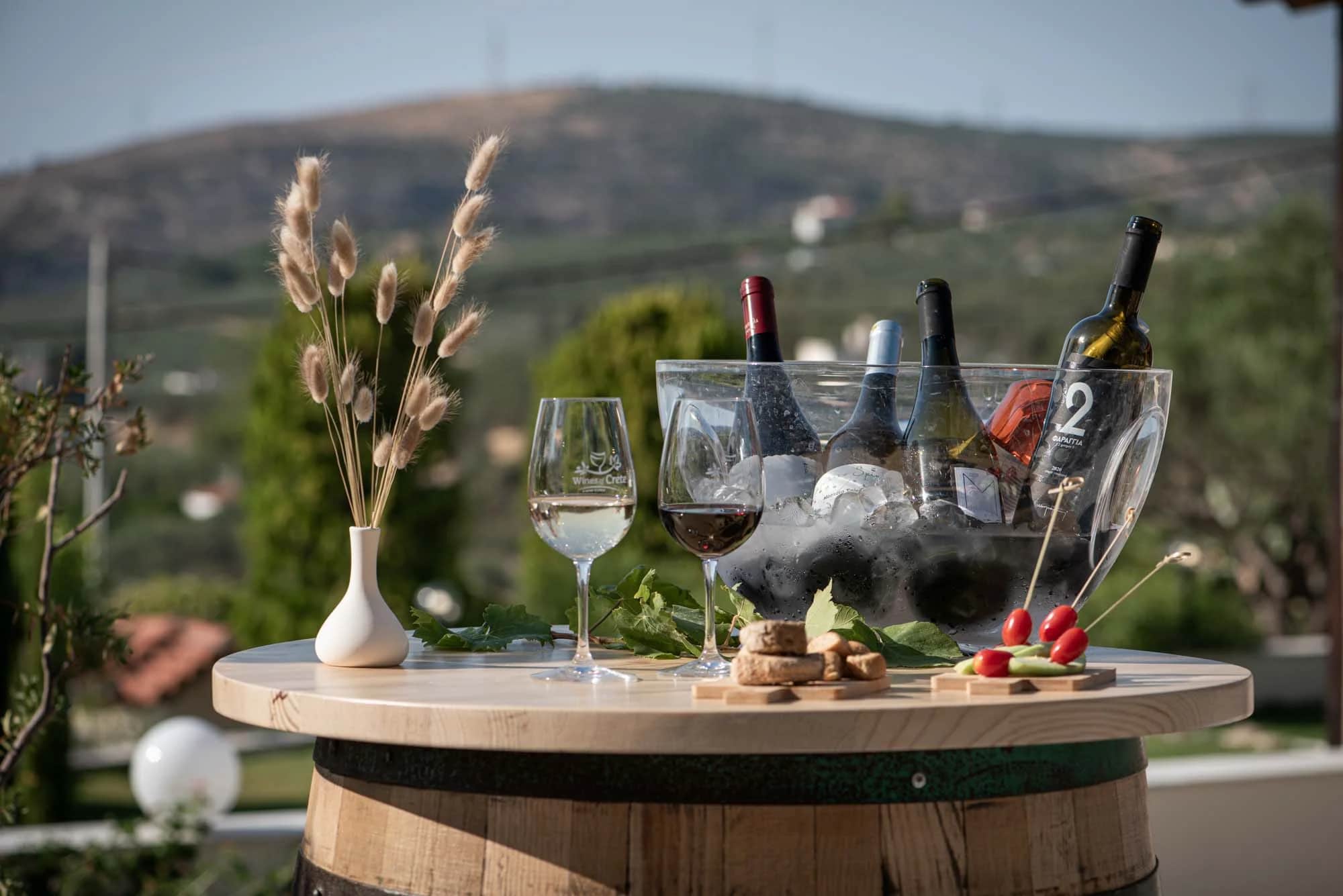 From €25
Heraklion, Crete · 1 hours
Cretan Wine Soul - Wine Tasting with a view in Heraklion (near Knossos)
Check availability From €30
Heraklion, Crete · 2 hours