Food Tour or Cooking Class in Crete: Which One to Book
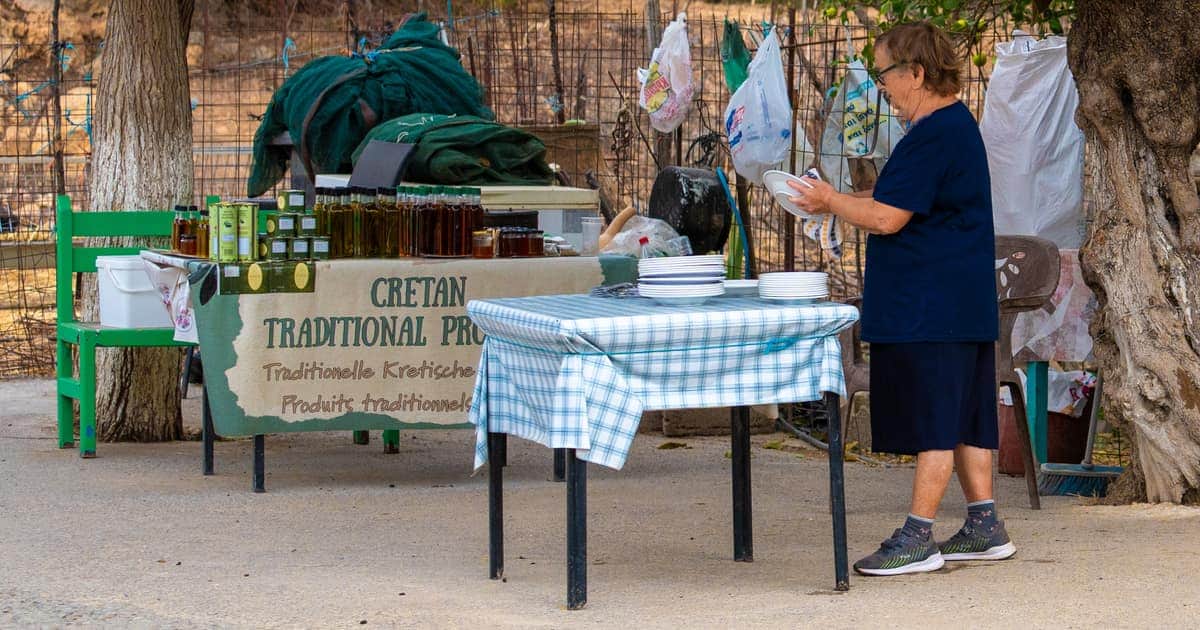
The difference is simpler than the listings make it look. On a cooking class you are handed an apron and you make the meal. On a food tour somebody takes you to the food and explains it while you eat. Everything else — the price, the length, the region you can book it in — follows from that one distinction, and booking the wrong side of it is the most common food-related disappointment we hear about.
The practical shape: the food tours we sell run from €15 to €170 per person and from one hour to eight, and most of them are done by lunchtime. The cooking classes on our list run from €95 to €350 and from three to six hours, and they finish with a full meal you cooked. A food tour is the better first booking. A cooking class is the better souvenir.
Quick Summary
Book a food tour if you want to understand what Crete eats, and book it early in the trip while you still do not recognise anything on a menu. Book a cooking class if you want to make it again at home. Food tours cost €15 to €170 per person here and mostly run two to three hours; cooking classes cost €95 to €350 and run three to six, with the meal inside the fare. The one hard constraint is geography: we list guided food walks in Heraklion, Rethymno and Chania only, and no cooking class at all east of Heraklion.
The Line Between the Two
If your booking does not say you will cook, you will not cook. That single sentence resolves nearly every case, and it is worth applying to the listing rather than to the title, because several food experiences sound hands-on and are not.
A farm visit that ends with a plate of what the farm grows is a food tour. A beekeeper opening a hive and pouring you the honey is a food tour. A guided walk through a town's bakeries and cheese counters is a food tour. None of them will teach you a recipe. Conversely, a four-hour class in a village kitchen is a cooking class even though it also feeds you, and its price includes a meal that a food tour's price usually does not.
The confusion is not accidental. Both categories advertise the same nouns — local, traditional, family, farm — and both end with people eating. The difference is what you take home: a food tour sends you back to the shops with a list, and a cooking class sends you back to your own kitchen with a method.
What a Food Tour Does to Your Day
It takes a morning and gives you back the afternoon. That is the honest summary of most of them, and it is the main reason to put one early in a trip.
The Heraklion city tour with ten tastings is the fullest of them at three hours, and it is the most flexible food booking we list in any category: three starts a day, at 09:00, 12:00 and 15:00. That means it fits around a checkout, a museum morning or an afternoon flight without rearranging anything else. The Rethymno walking and gastronomy tour takes the opposite approach with a single 10:30 departure that returns at 14:00 — one start, no negotiation, and a shape that matches how a Cretan eating day actually runs.
At the short end, a one-hour water mill visit with a tasting in Chania is the cheapest food experience we list anywhere on the island at €15. It is a stop rather than a day, and we would rather say that plainly than sell it as a Chania food tour.
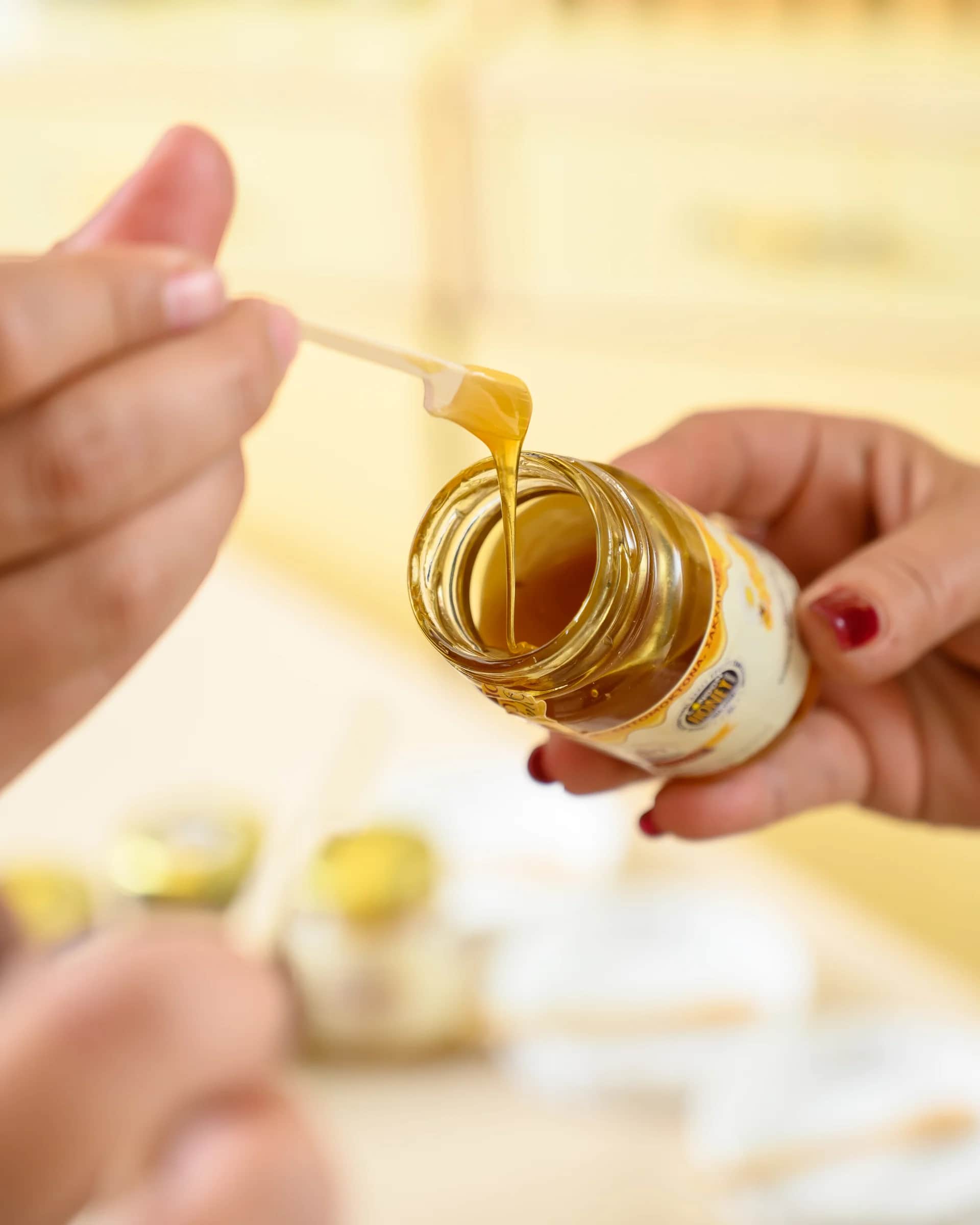
The producer visits work the same way but stand still. The Peskesi farm experience runs two hours from a single 11:00 start, inland in the Heraklion region rather than in the city — check that against where you are sleeping before you book it, because the drive is not incidental. The beekeeping tour near Heraklion is the most flexible food booking we list in any category, with five starts a day from 09:00 through to a 17:00 departure.
Most food tours also end the way a Cretan meal does, with tsikoudia — raki to most people in the centre and east of the island. It is a clear spirit distilled from the skins, pips and must left after the wine press, and unlike ouzo there is no aniseed in what you will be poured.
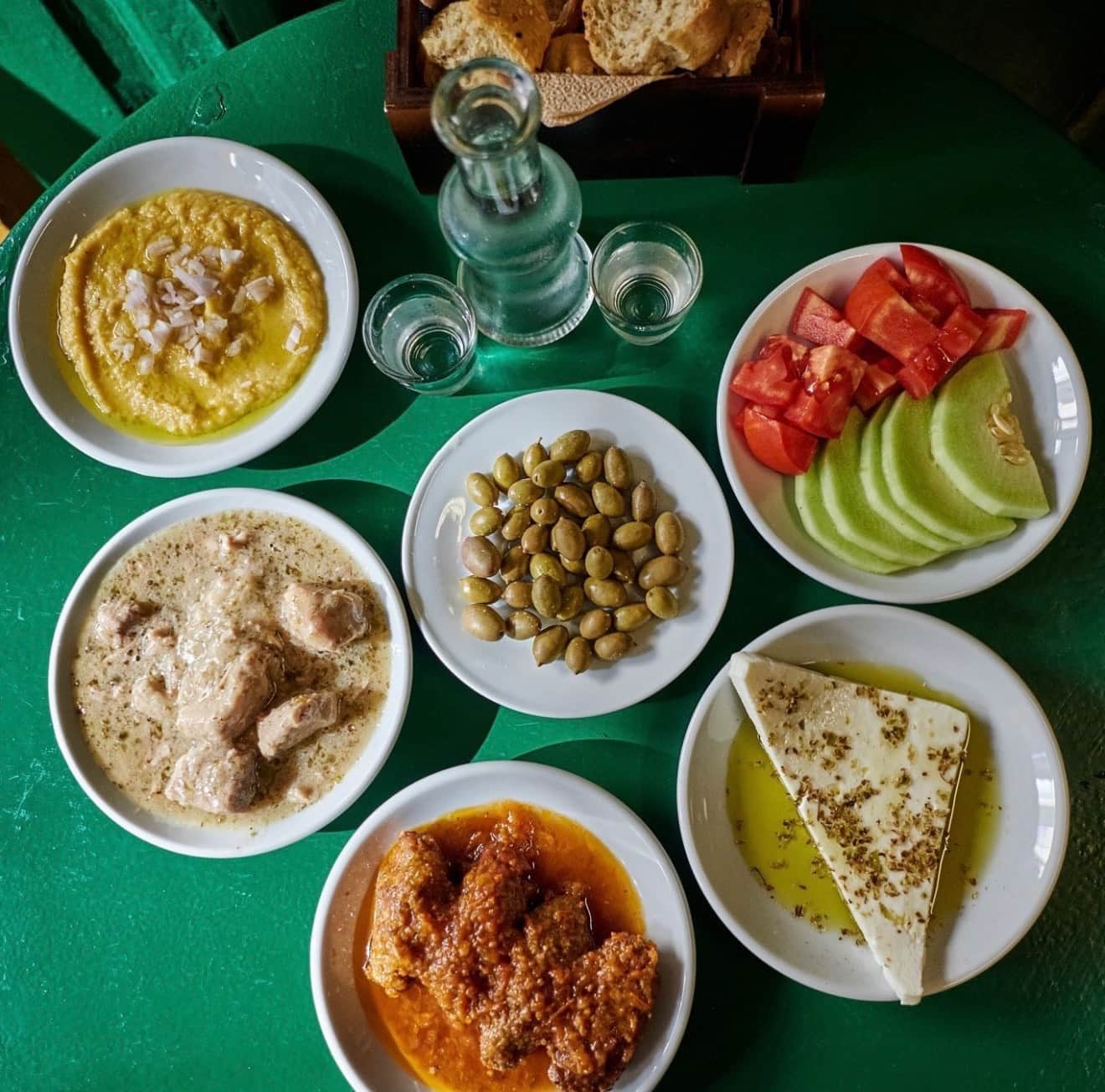
What a Cooking Class Does to Your Day
It takes the whole of it, and it charges for the meal. These classes run three to six hours before you add the drive, and the venues sit fifteen to forty minutes outside the towns, so a four-hour class is realistically a five-hour commitment.
What that buys is a different kind of day: an hour with flour on your hands, a slow main cooked in a wood oven or a clay pot, and then everyone sitting down to eat it. The prices look high next to a food tour until you notice that lunch is inside them. Our full guide to cooking classes in Crete works through the regional differences and the venues; the short version is that Chania has the deepest choice, Heraklion has the village and olive-mill formats, and Rethymno has the shortest useful class at three hours.
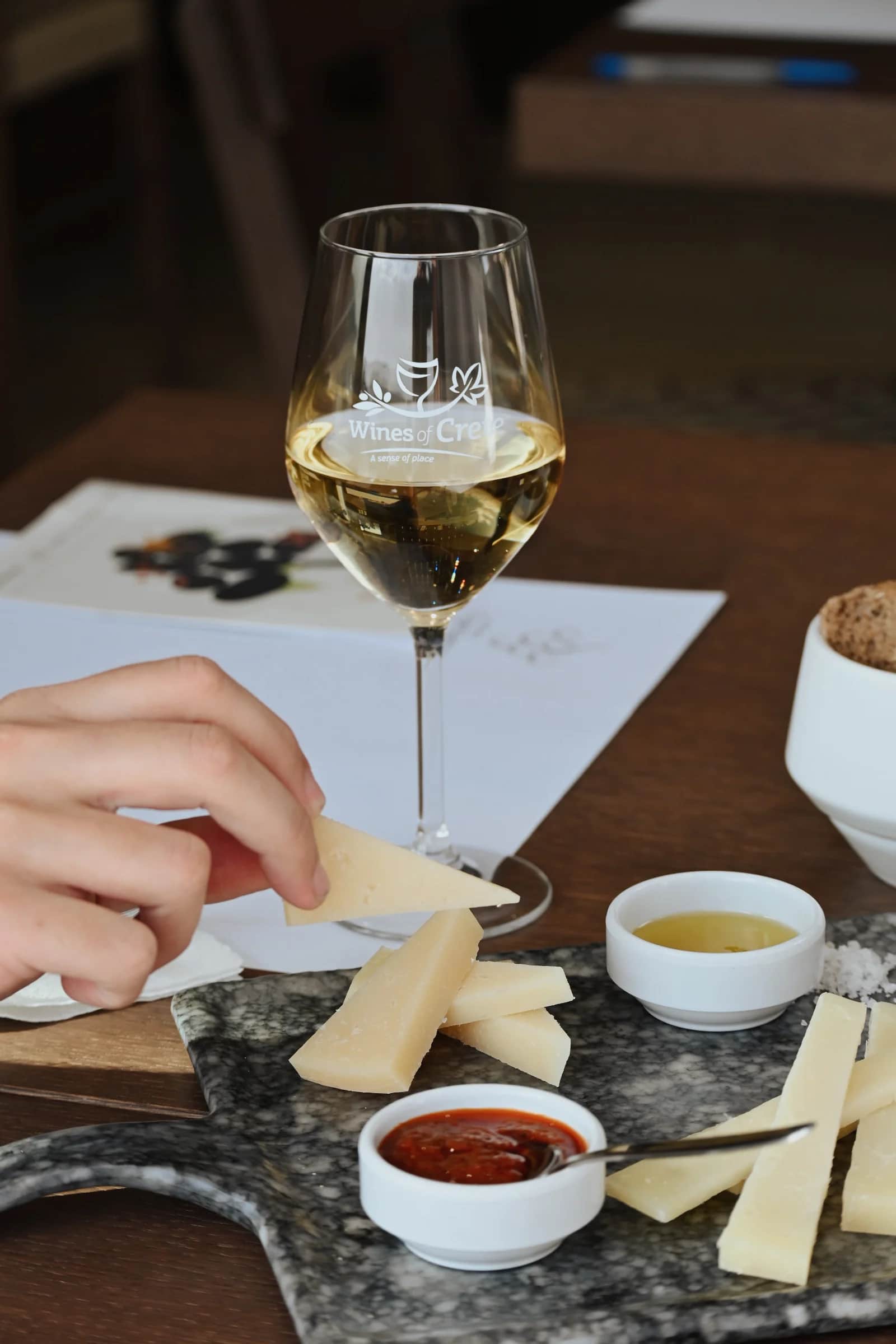
There is one crossover product worth knowing about if you like the idea of a class but not the length. The two-hour food and wine pairing course in Heraklion sits at €30 and is explicitly not a cooking lesson — you taste rather than cook — but it is structured and taught in a way a walking tour is not.
Prices Side by Side
The bands barely overlap, which makes the choice easier than it looks.
Food tours run €15 to €170 per person. The floor is the one-hour water mill tasting; the middle is a two-hour farm visit or beekeeping tour at €60 to €80 and a three-hour town walk at €89 to €150; the ceiling is the eight-hour day from Rethymno into the mountains at €170, which includes the transport and the village table.
Cooking classes run €95 to €350 per person, three to six hours, with the meal always included. The €200 class near Heraklion is the only cooking booking we list that includes hotel pickup and return, and only from the Heraklion, Hersonissos and Malia side of the coast.
Read that as time rather than money. Below €90 you are buying a guided couple of hours. Between €90 and €170 you are buying most of a day, whichever category you pick. Above €200 you are buying either transport and logistics or a private kitchen.
Food days you can book
 From €30
Heraklion, Crete · 2 hours
Food and wine pairing course, introducing you to Cretan gastronomy in Heraklion
Check availability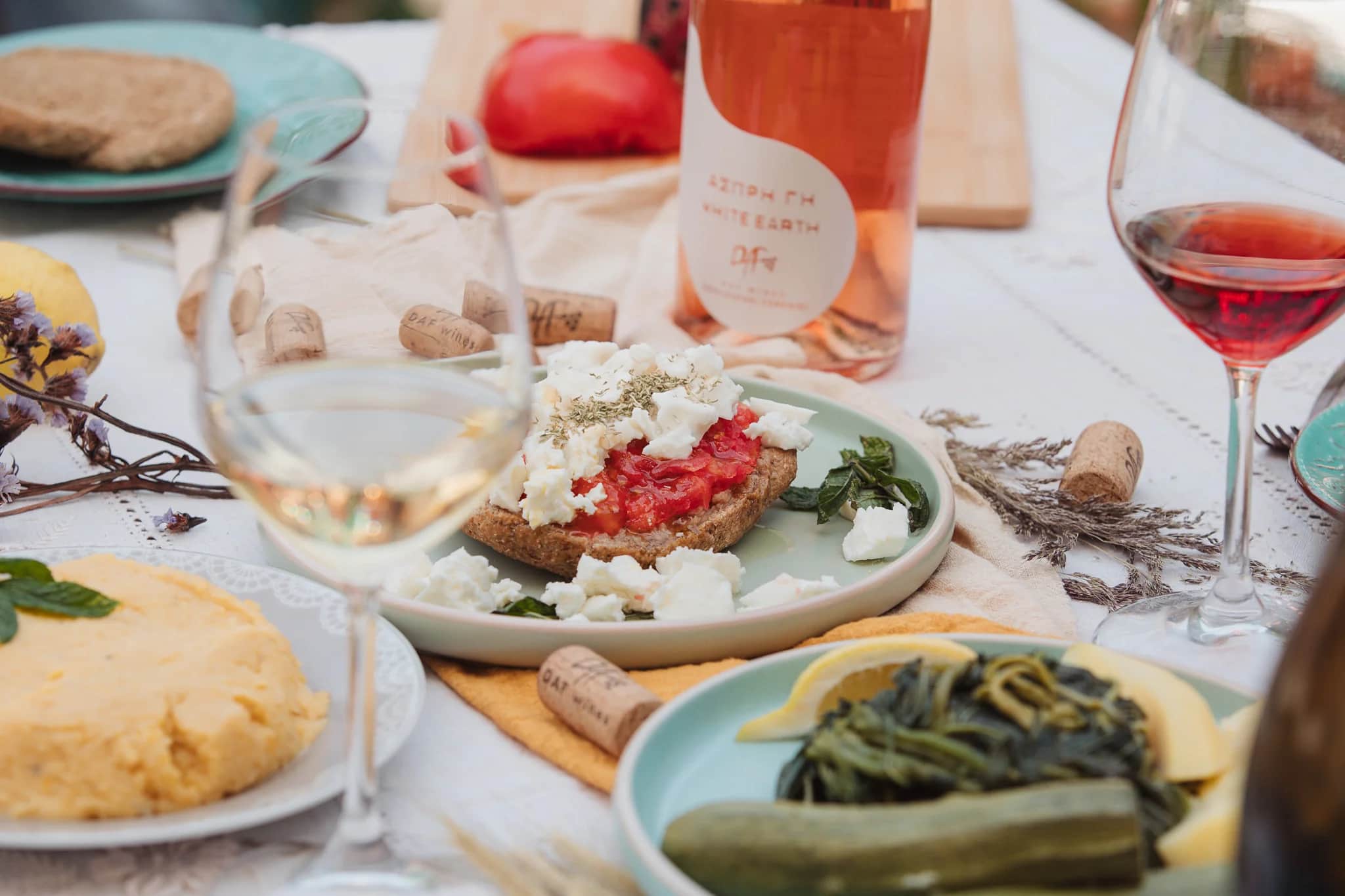 From €52
Heraklion, Crete · 2 hours
Cretan Wine Tasting with Food Pairing at Family Winery near Heraklion
Check availability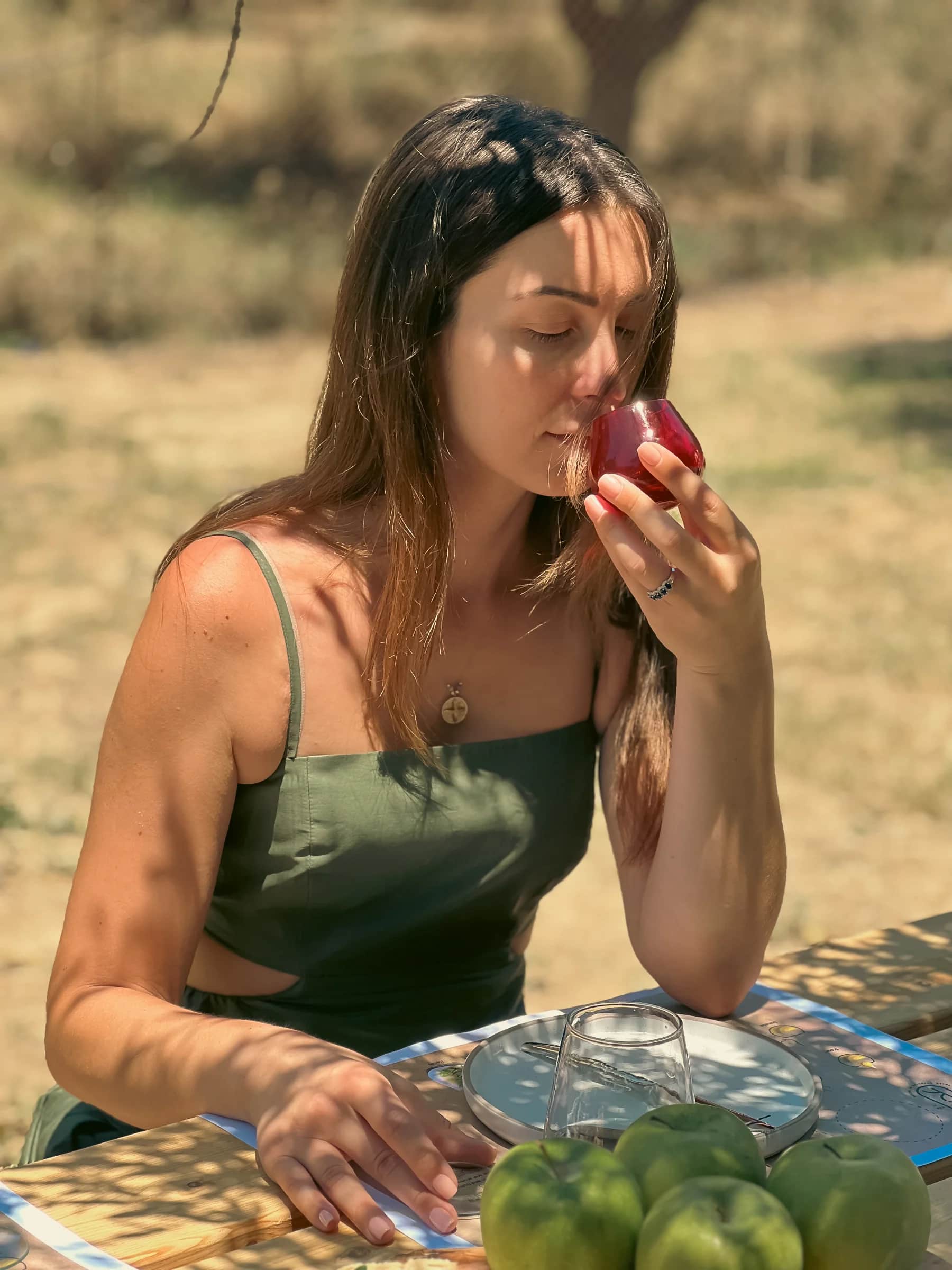 From €60
Crete · 2 hours
Cretan Olive Oil Tasting & Farm Experience in Αgios Nikolaos
Check availability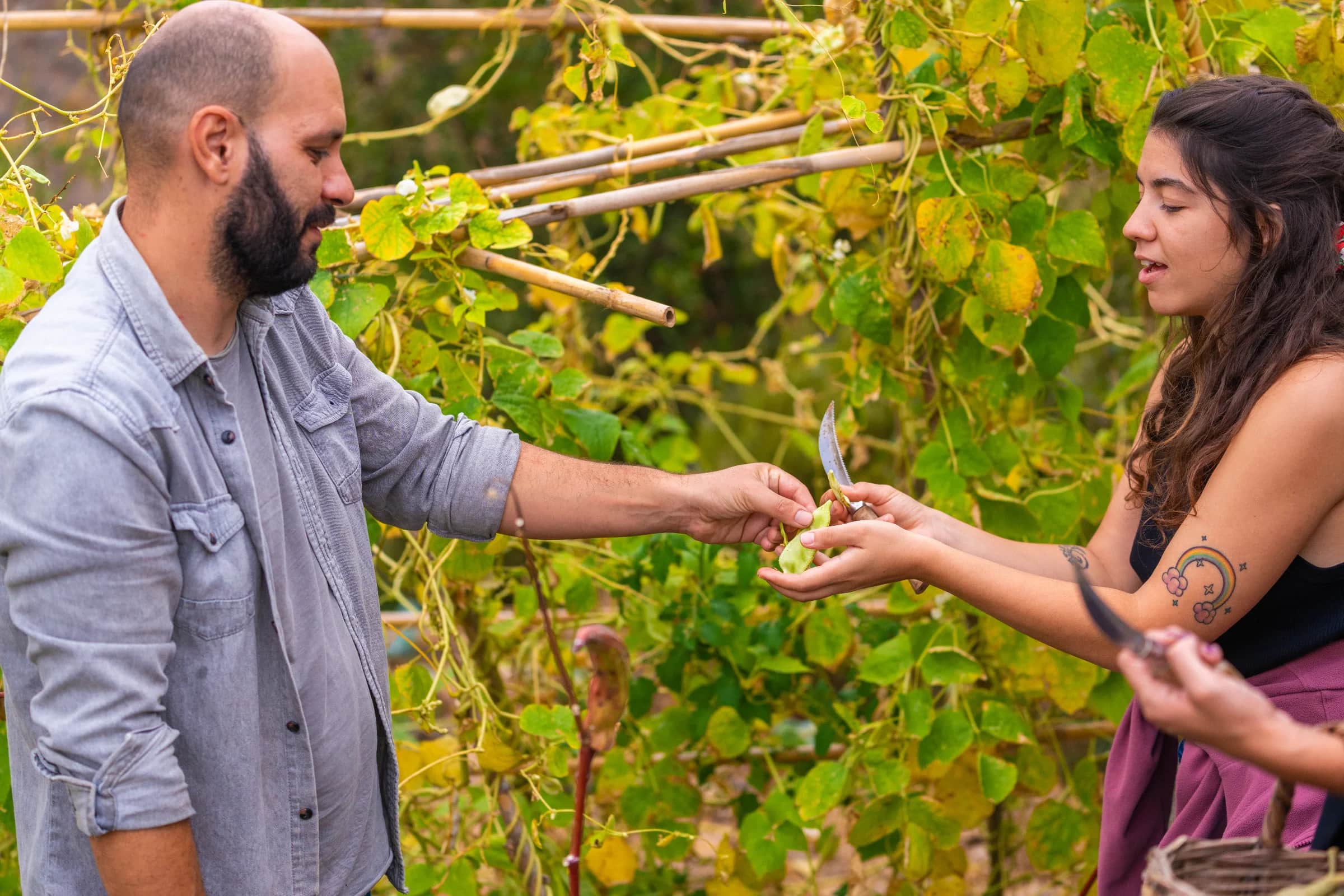 From €60
Crete · 2 hours
Explore Peskesi Farm: Cretan Farm Experience, Organic Tasting & Local Culture
Check availabilityWhere Each One Runs
This is where the choice stops being about preference. Both categories are concentrated in the centre and the west, and the eastern towns have neither.
Guided food walks exist in Heraklion, Rethymno and Chania. There is no guided food walk in our listings east of Heraklion — not in Agios Nikolaos, not in Elounda, not in Sitia. What the east has instead is farm and olive oil experiences, including a farm tasting near Agios Nikolaos and the Lasithi plateau farms, which are genuinely good and genuinely not town walks.
Cooking classes are narrower still. There is no cooking class anywhere east of Heraklion, and a farm visit with a tasting is not a substitute for one — we say the same thing on the cooking classes guide and it has not changed. From Agios Nikolaos, the nearest real class is about an hour and a half each way into the Heraklion countryside, which turns a four-hour class into most of a day in the car.
If you are based east and want a food day without the drive, book a producer visit or an olive oil tasting rather than forcing a category that is not there.
Who Should Book Which
First-time visitors should book the food tour, and book it in the first two days. Nothing else on a Crete itinerary teaches you the menu that quickly, and the rest of the week's eating improves because of it.
Returning visitors and confident cooks should book the class. If you already know what dakos is, being told is less interesting than being shown how the pastry is folded.
Families with younger children usually do better on the short producer visits than on either. Two hours at a farm or a hive holds attention; a three-hour walking tour of a town in August does not, and a four-hour class asks for patience that most under-tens do not have.
Couples with one free day and a strong appetite should take the full day inland. It is the only booking in either category that leaves the tourist coast properly behind.
What to Bring and When to Go
Food is the most weather-proof thing on a Crete itinerary. When the wind cancels a boat day, this is the category that carries on, which makes it worth holding in reserve rather than booking on the first sunny morning.
Season changes the plate more than the price. Spring gives artichokes, wild greens and pulses; late autumn gives the grape and the olive. If a working olive mill is what you picture, note that the presses only run while the groves are being picked — the ministry's specification for Cretan oil puts the harvest from around October to the end of January depending on the weather, and November and December are the months every source agrees the mills are busy. Outside that window you can still walk a grove and taste properly; you will not see a press working, so check the operator's own dates rather than assuming. In July and August take a morning or an evening start rather than the middle of the day — the beekeeping tour runs five departures from 09:00 to a 17:00 start, and the pairing course runs to a 17:00 start as well, both of which are more comfortable than a midday walk.
Bring closed shoes for a farm or a mill, a hat for a town walk, and an appetite you have not spent on a hotel breakfast. Flag any dietary requirement when you book rather than on the day: the small-group formats shop for the group, so a late request is a real problem rather than a small one.
Where People Get This Wrong
The commonest error is booking a farm visit and expecting a class. The second is reading the duration and ignoring the departure time — several of these sell one start a day, and a single 10:30 departure is an appointment, not a flexible morning.
The third is stacking a food day next to a boat day. Both are all-inclusive by design, and two in a row is a great deal of eating and very little of the island.
The fourth is assuming the choice is the same everywhere. It is not, and the eastern half of Crete is where that assumption costs you a day in the car. If you are building a wider itinerary, our guide to the best tours in Crete sets the food categories against everything else competing for the same day.
Where to Stay
Base yourself in a town rather than a resort strip if food is a priority. Heraklion gives you the widest choice and the only walk with three departures a day; Rethymno gives you the best-shaped single day, with the old town in the morning and the mountains reachable for a longer one; Chania has the best old town to eat in and the thinnest guided coverage in our listings, which is worth knowing before you build a week around it.
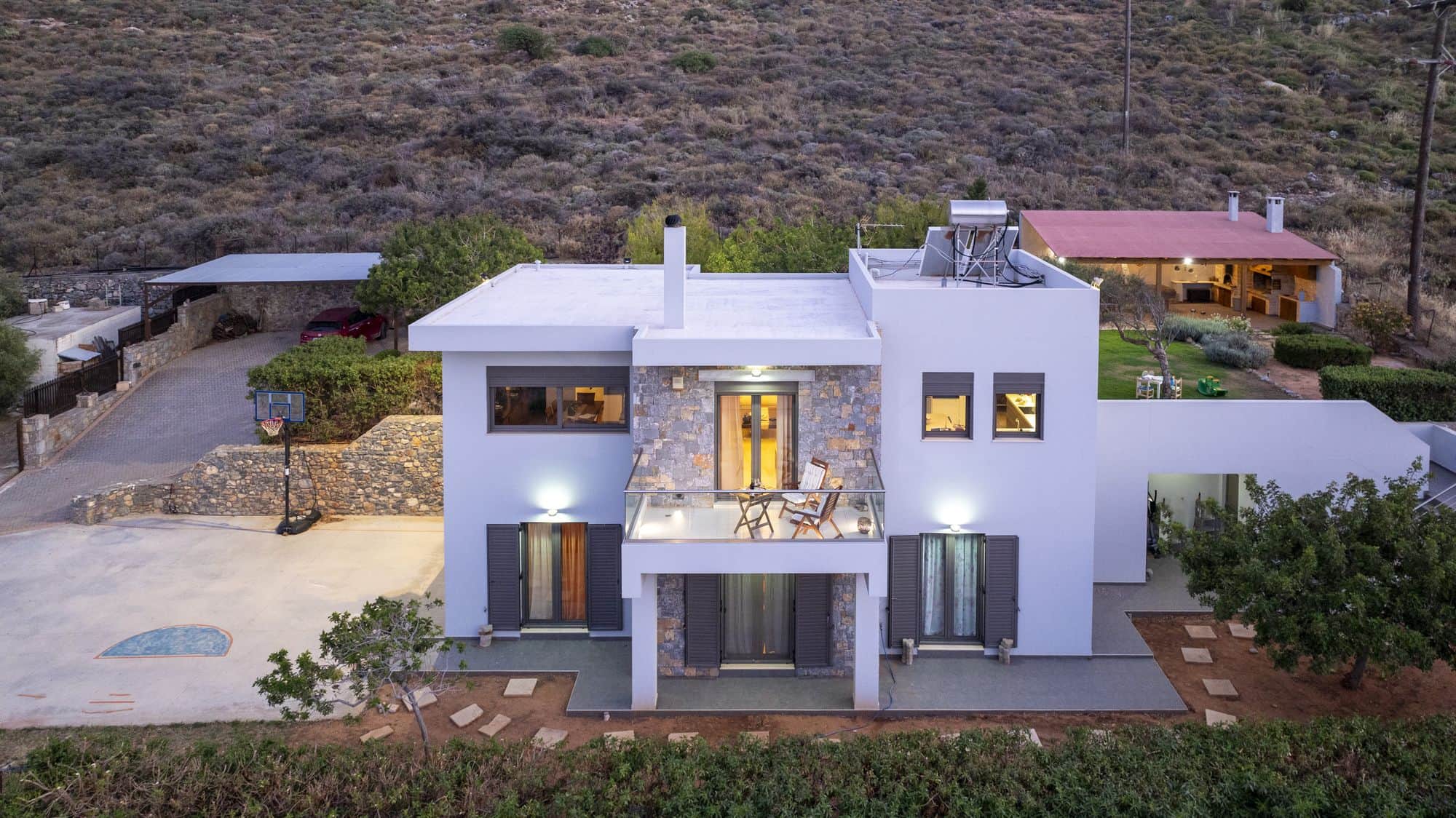
For a villa rather than a hotel, we run our own villa company, My Creta Villa, so we can be direct about the trade-off: staying inland or up a hill is lovely and it adds drive time to every meeting point. Check that drive before you book the tour, not after — thirty minutes each way turns a two-hour tasting into half a day. Our houses are on the Heraklion and Lasithi side of the island, which suits the central food bookings well and the Chania ones not at all.
Villas near the central food routes
My Creta Villa is our own villa company — same family as this guide.
 From €400
Heraklion
Luxury Villa Kopsas
8 guests · 4 bedrooms
View villa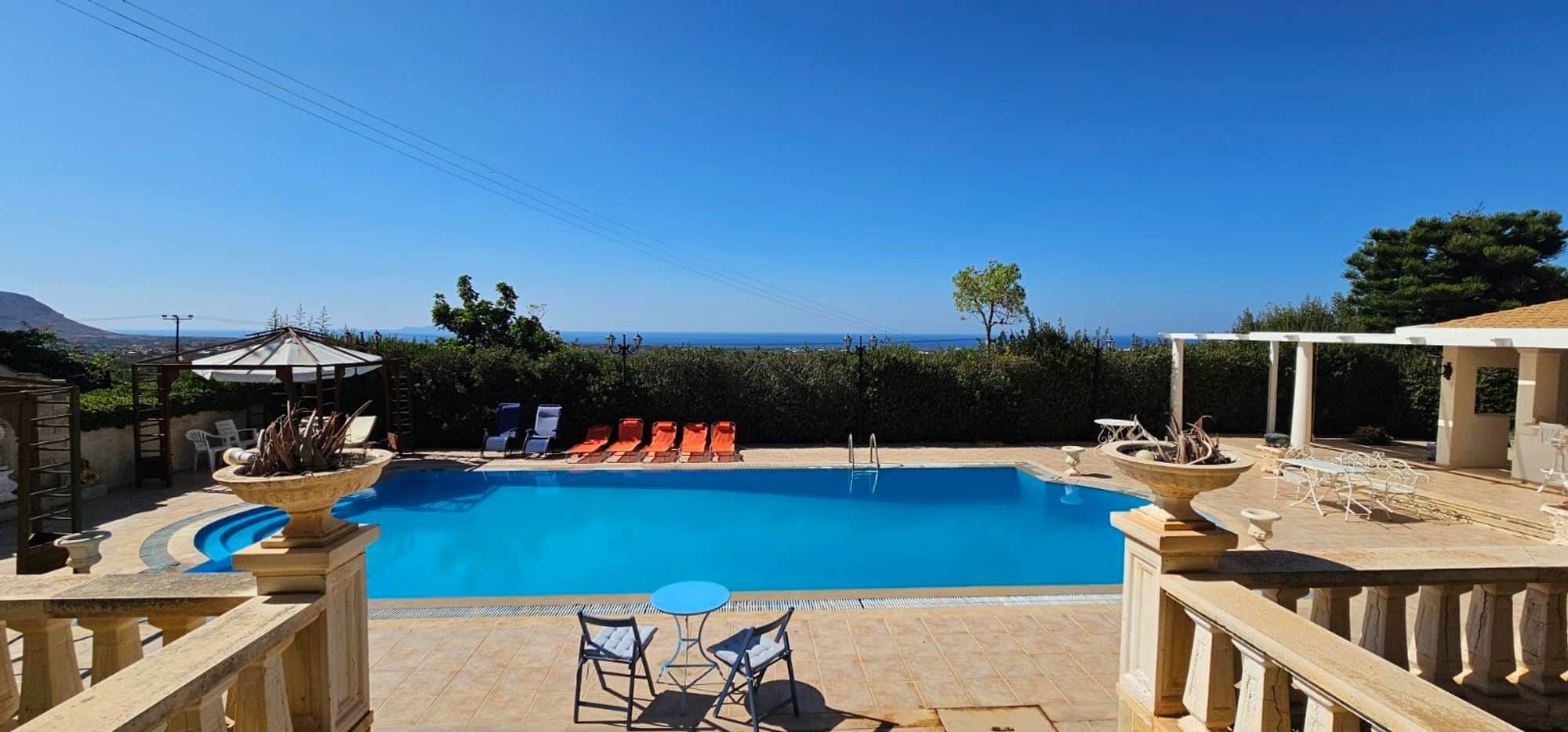 From €650
Heraklion
Palazzo Reale Superior Villa
13 guests · 7 bedrooms
View villa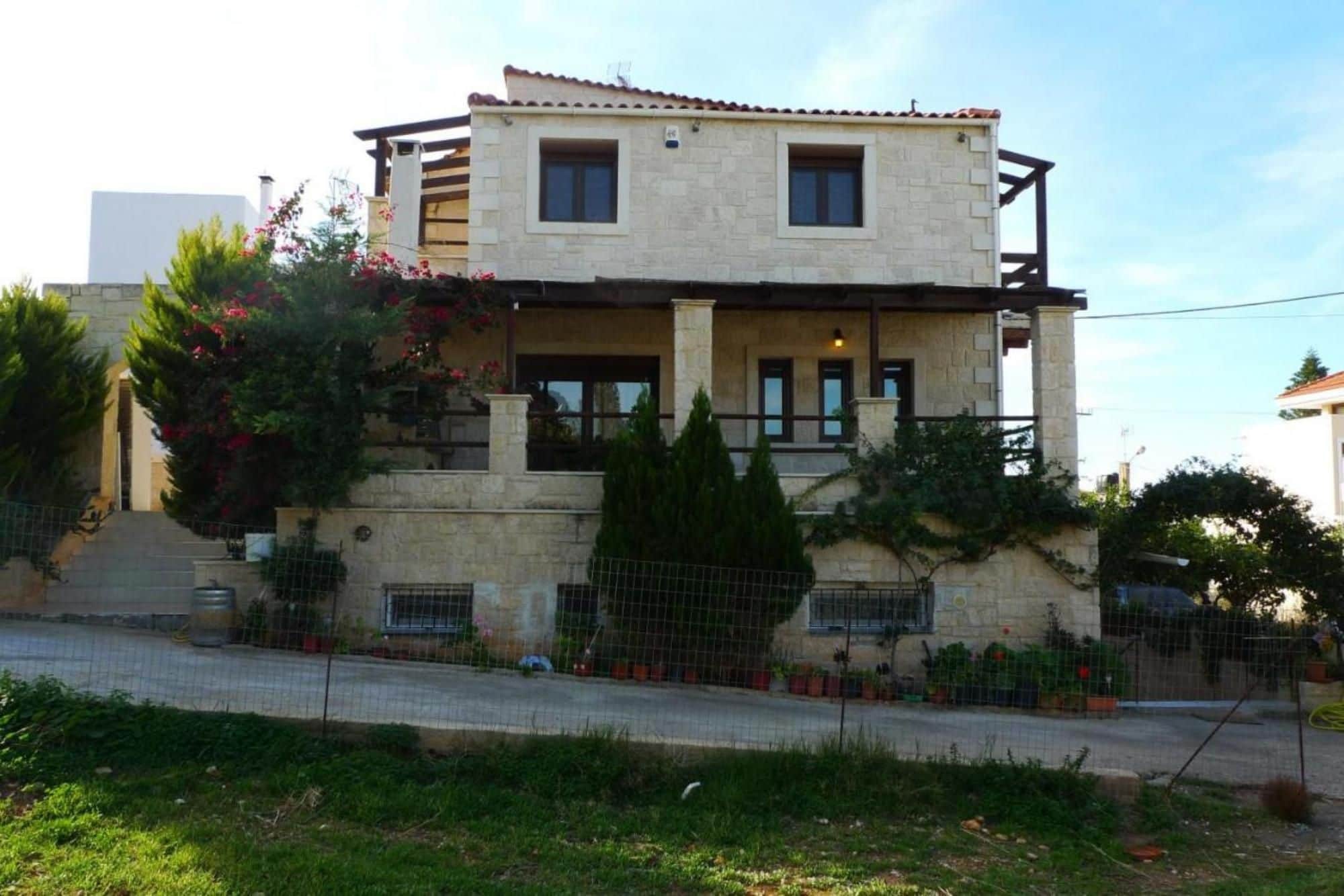 From €430
Heraklion
Stone and Wood Villa
10 guests · 4 bedrooms
View villa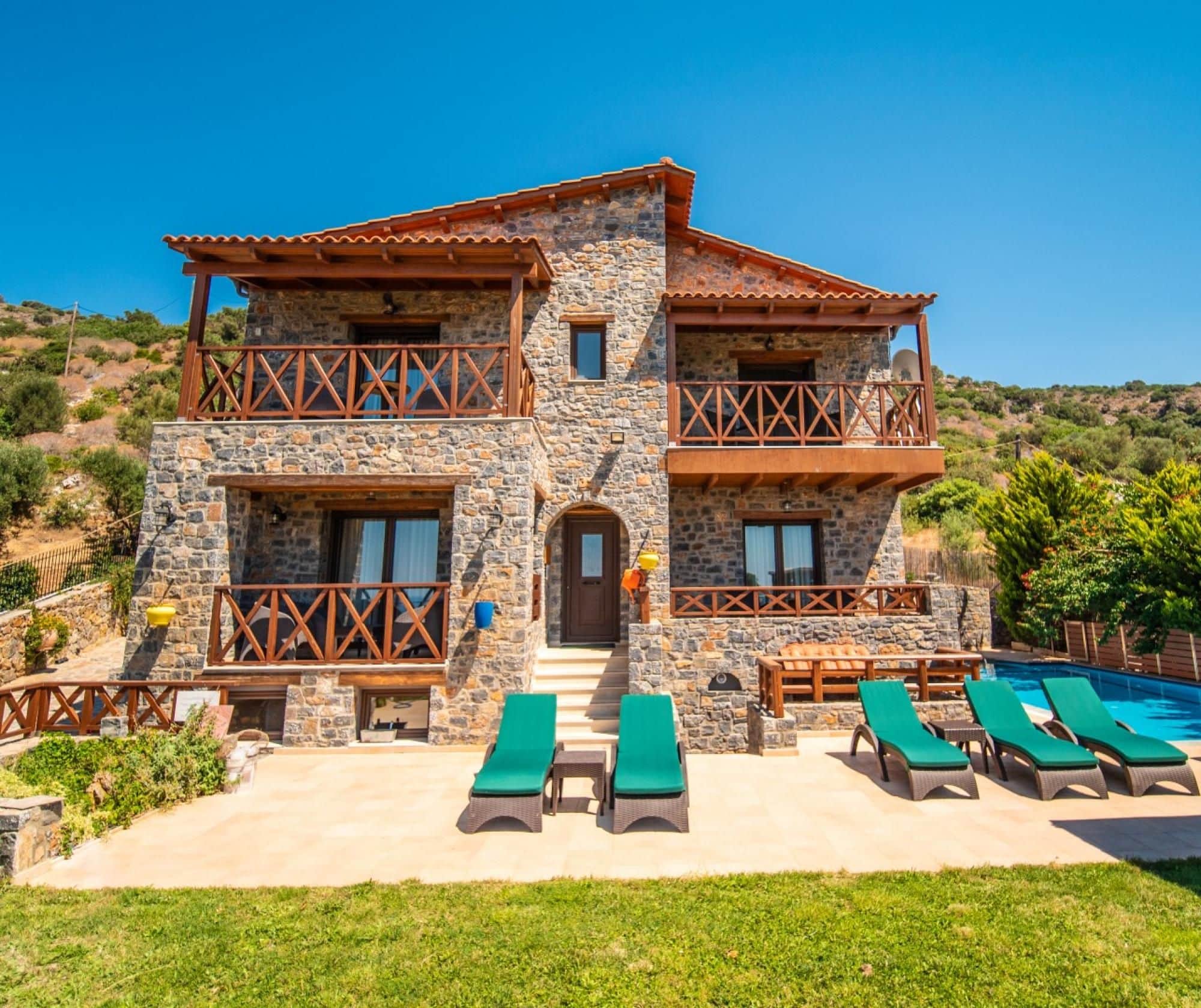 From €570
Milatos, Lasithi
Villa Avia
12 guests · 5 bedrooms
View villa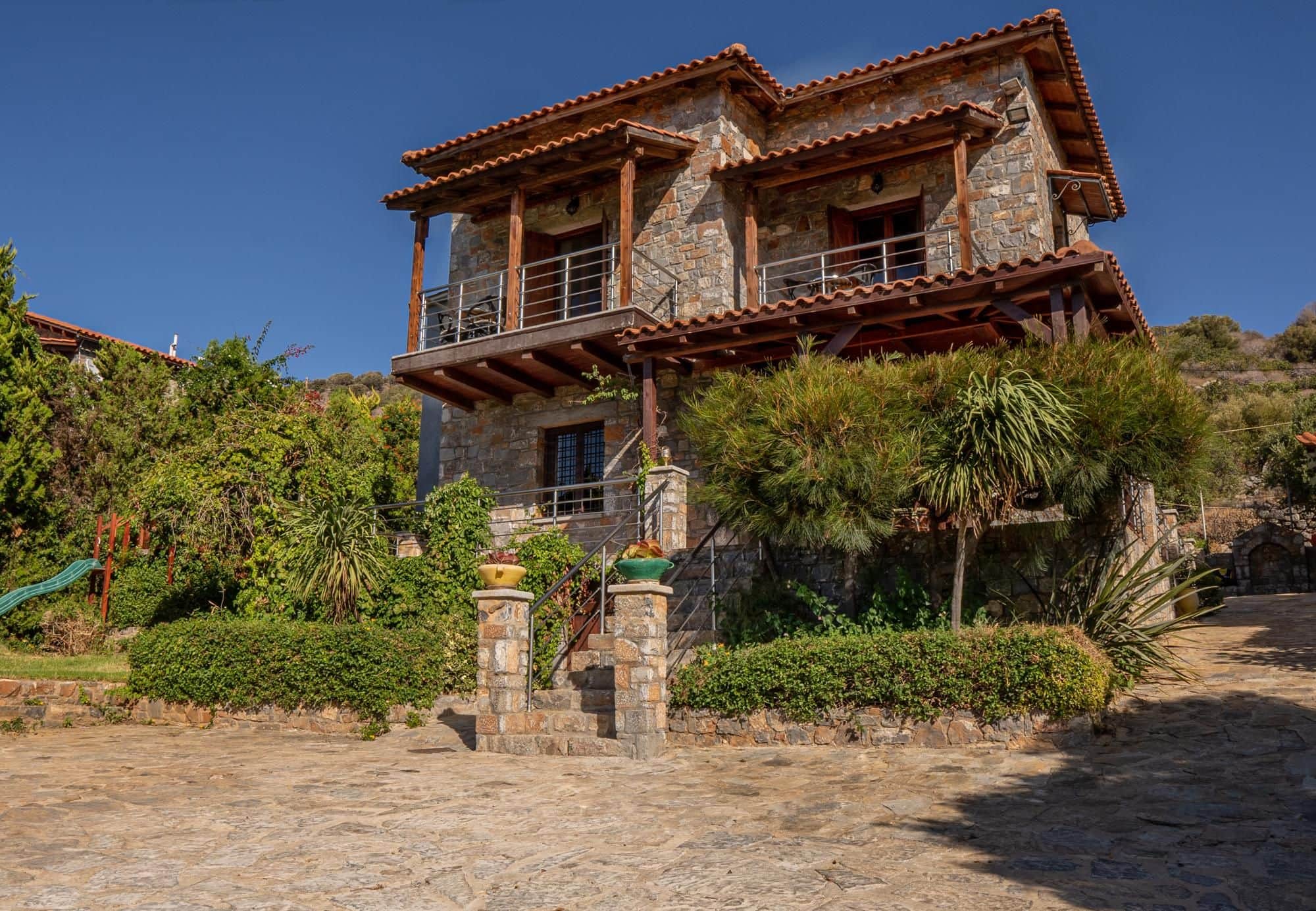 From €450
Lasithi
Iris Stone Built Villa
9 guests · 3 bedrooms
View villa From €560
Lasithi
Blue Horizon Villa
10 guests · 4 bedrooms
View villaFood tours and cooking classes: common questions
Is a food tour or a cooking class better value in Crete?
They are not comparable on price alone. A cooking class includes a full meal, so a €110 class is closer to a €70 activity with lunch attached. A €89 food tour feeds you a great deal of small plates but is not sold as a meal. Compare them on hours instead: below €90 you are buying a guided couple of hours in either category.
Can I do both on the same trip?
Yes, and they work well spaced out. Take the food tour in the first two days, while you still do not recognise anything, and the cooking class later in the week once you have decided what you want to be able to make at home.
Is there a cooking class in Agios Nikolaos or Elounda?
No. We list no cooking class anywhere east of Heraklion. The east has farm and olive oil experiences instead, and the nearest real class is about an hour and a half each way into the Heraklion countryside.
How much walking does a food tour involve?
On a town walk, two to three hours at a slow pace on flat ground with long stops — you stand more than you walk. Producer visits and seated tastings involve almost none. Nothing in either category requires hiking.
Do I need to book ahead in August?
Yes. The small-group formats cap at a handful of guests and go first, and the single-departure tours have no second chance if that one start is full. Outside high season a day or two is usually enough.
Final Thoughts
Pick by what you want to be holding at the end. A food tour ends with a shopping list and a much better week of eating. A cooking class ends with a method you can repeat in your own kitchen in November, which is a different and slower kind of value.
If you are still deciding and the trip is short, take the food tour first. It is cheaper, it is shorter, and it makes every other meal on the island make more sense — including the one you might later cook yourself.
Browse experiences in CreteExperiences you can book now
 From €15
Heraklion, Crete · 1 hours
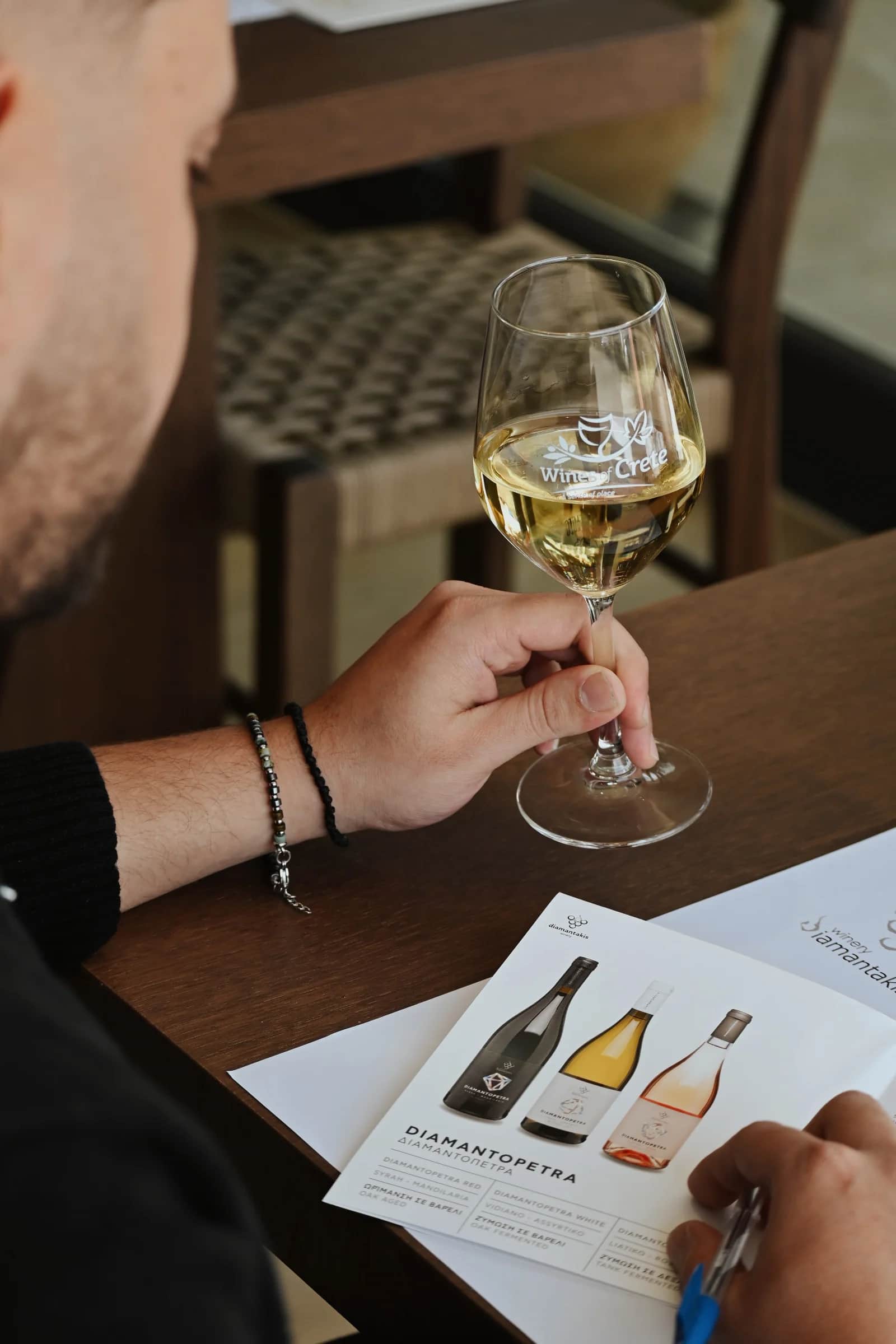
Tasting of 5 typical Cretan wines in Heraklion
Check availability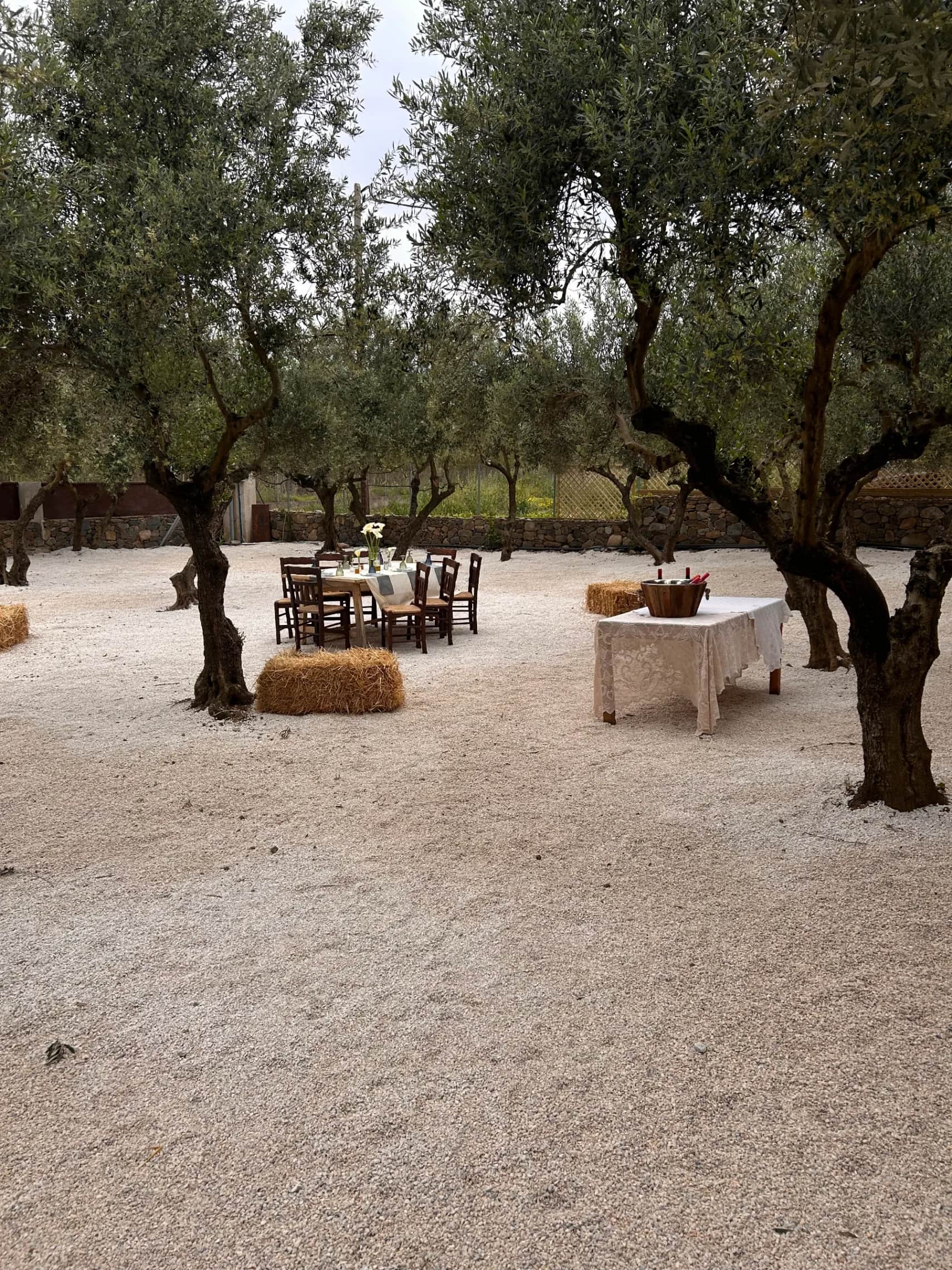 From €15
Chania, Crete · 1 hours
Water Mill Cultural Tour & Tasting of local flavors in Chania, Crete
Check availability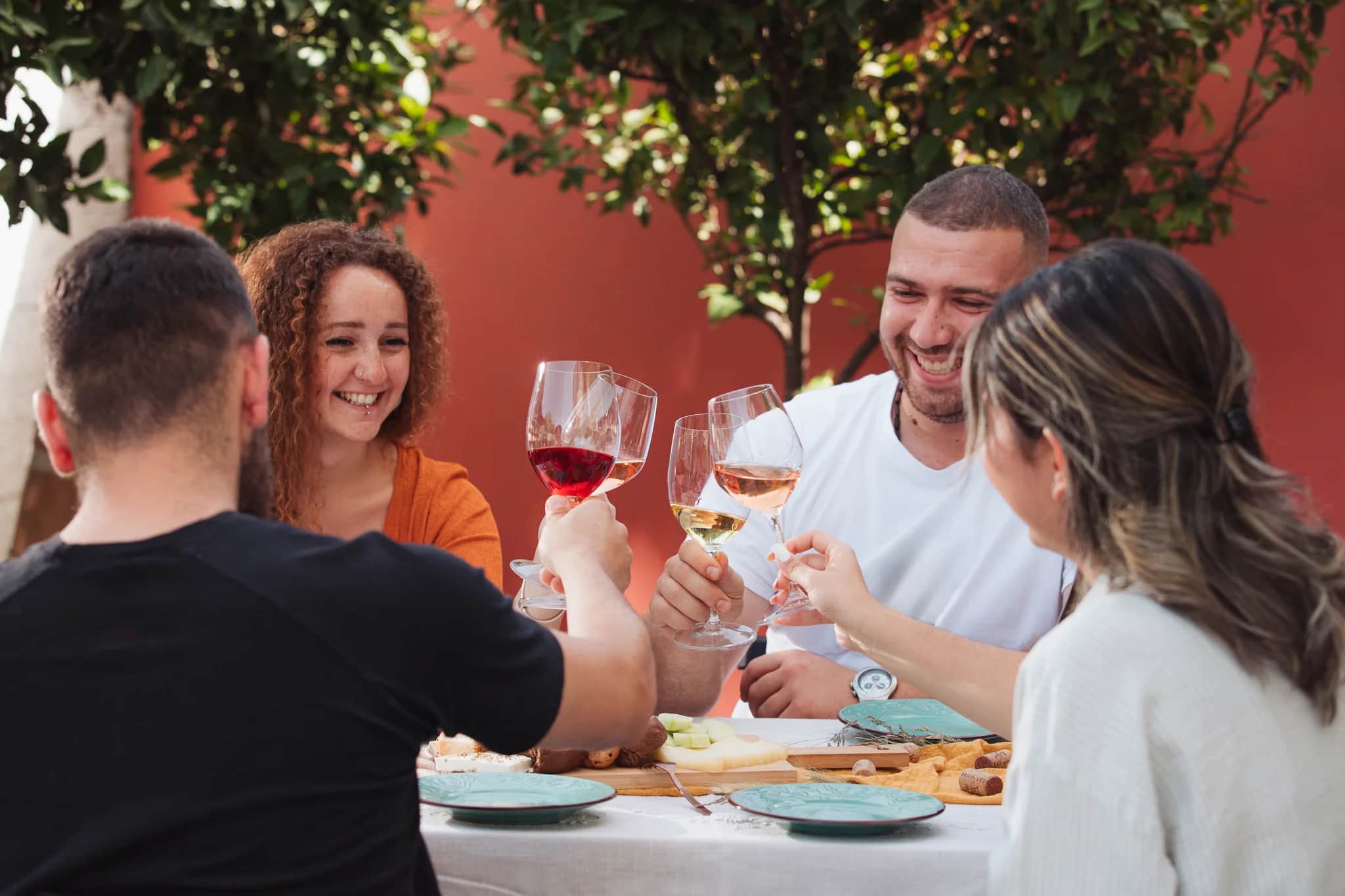 From €19
Heraklion, Crete · 1 hours
Cretan Wine Tasting near Heraklion
Check availability From €20
Chania, Crete · 1 hours
Small Premium Wine Tasting in Kolymvari, Chania
Check availability From €22
Heraklion, Crete · 1 hours