Crete Tours in the Rain: What Still Runs and What Stops
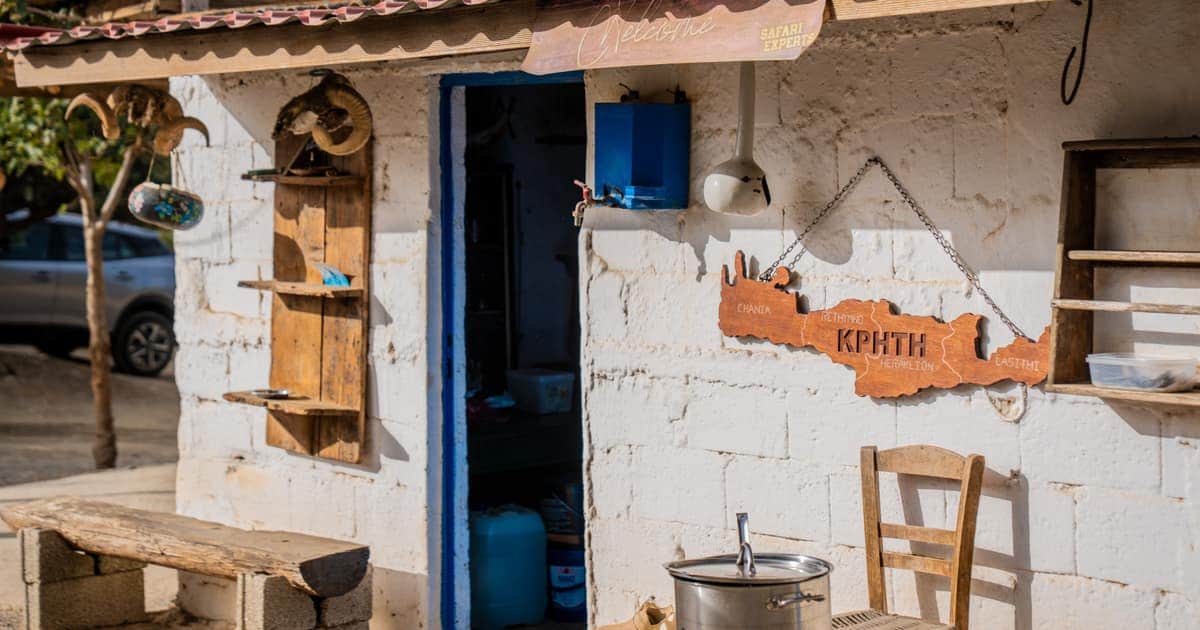
Rain in Crete is rare enough in high summer that most visitors never think about it until the morning it happens, and by then something is already booked. Heraklion averages about one rainy day in July and roughly a dozen in January, out of some 520 millimetres a year — so a wet morning in June is bad luck, and a wet morning in November is the season doing what it does.
What decides your day is not how much rain falls but which half of our catalogue it lands on. Boats, quads, jeeps and gorges are cancelled by weather. Tastings, workshops, cooking classes and the museum tour are not, because they happen inside a building. This guide is about that line: what stops, what runs anyway, where the cancellation terms actually sit, and what to move your money to when the call comes.
Quick Summary
Everything we list on the water or on dirt is weather-dependent, and almost all of it runs April to October — the two exceptions are both in the east, where a three-hour private Spinalonga boat out of Agios Nikolaos currently publishes dates into November and the Cave of Zeus jeep safari into mid-November. Everything that happens in a cellar, a kitchen, a workshop or a gallery is unaffected by the sky, but it is not all unaffected by the calendar, and that distinction is the single most useful thing on this page.
Read today, most of the indoor list stops publishing in October. Three run right through the winter: the €19 tasting near Heraklion runs to mid-March, the €50 small-winemakers tasting in Chania has a date on almost every day to the end of next May, and the €80 guided museum tour publishes more than a year ahead. If you are reading this because it is raining in February, those three are the page.
Free cancellation up to 24 hours before departure is the usual term on our listings, though the booking fee itself is not refunded and travelndo's own terms note that some tours want 48 or 72 hours for a full refund. Several of the boat listings say a trip may be rescheduled or cancelled in bad weather, and some Dia yachts name a sheltered bay or the Heraklion coast as the fallback; the platform terms add that weather-dependent activities such as sailing may offer rescheduling. What you get in writing is a cancellation window, and that is not the same thing as a rain policy.
What the Rain Actually Cancels
Three categories stop, and the reasons are different.
Everything on the water. The sailing cruises we sell to Dia, the catamarans to Spinalonga, the private charters and the licence-free rentals are all weather-dependent. So is the diving. The category also has a season, April to October, and the Heraklion fleet keeps to it strictly, with several of its boats closing earlier in the autumn. The one boat that currently runs past it is the three-hour private Spinalonga boat out of Agios Nikolaos; the Spinalonga catamarans from the same town stop with the rest.
Everything off-road. Quad and jeep safaris run on dirt tracks, and a soaked mountain track is mud. Operators cancel rather than take a convoy up it. Broadly the same April-to-October season, with the Cave of Zeus jeep day the one that currently publishes into mid-November.
Gorges. This one is a safety matter rather than a comfort one. A Cretan gorge is a watercourse, and rain that fell hours earlier and kilometres upstream arrives as water in the bed. A gorge is never the rainy-day substitute for a cancelled beach day, and our hiking calendar sets out the rest of the walking year.
Open-air archaeological sites are a fourth and softer case: Knossos, Phaistos and Malia stay open in rain, they just stop being enjoyable, because there is almost no shelter on any of them.
Wind, Not Rain, Is What Takes a Boat
The most common misreading of a cancelled boat is that the rain did it. Usually it did not.
The prevailing summer wind on the north coast is north-westerly, and it is the thing that decides whether a boat sails. A blue-sky afternoon with a stiff north-westerly is far more likely to lose a departure than a grey morning with light drizzle. It also explains why the eastern boats out of Agios Nikolaos can keep going on days when the open crossings further west are unpleasant — the inner western shore of the Gulf of Mirabello sits in the lee of the land.
Two practical consequences: a forecast that shows no rain is not a forecast that shows your boat sailing, and a captain who cancels a marginal day is doing the right thing rather than being careless with your money. We set out the rest of what a boat fare covers in our guide to what a boat trip in Crete includes.
The Trips That Do Not Notice the Weather
The weather-proof half of our list is larger than most visitors expect, and it starts cheaper.
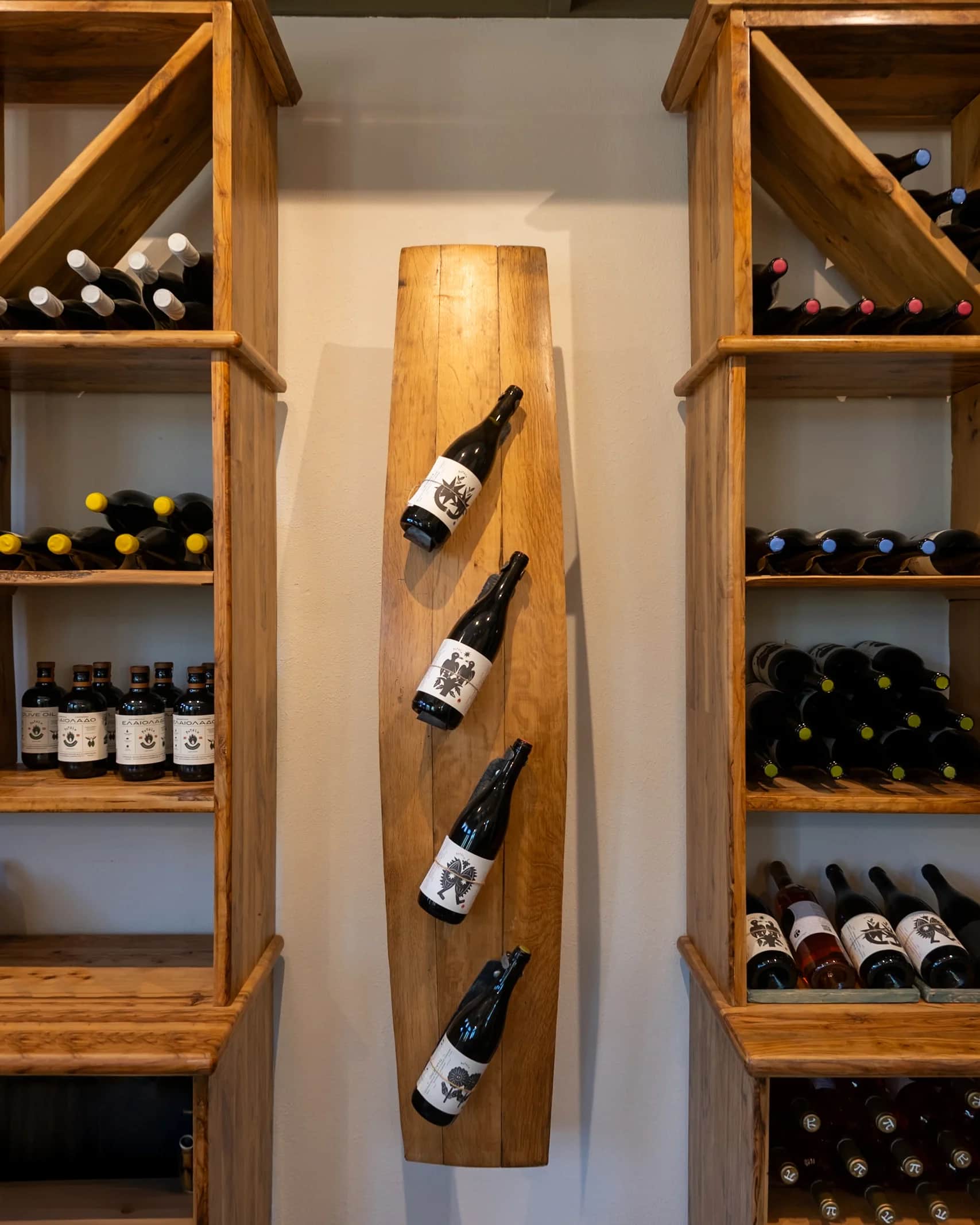
Cellar tastings. The tasting happens indoors; only the walk through the vines is exposed, and an estate will simply drop that half. An hour with five wines and local rusks starts at €15, and the €19 tasting near Heraklion starts from 10:00, with afternoon slots on some days. The €22 Petradias flight adds a guided cellar walk, five estate labels, a pairing platter of cheese, bread, rusks and nuts, bottled water and a tasting of the estate's own olive oil, which makes it the best value of the group while its dates last. A two-hour €30 food and wine pairing course puts six wines against cheese, olive oil and condiments with a sommelier.
Kitchens. A cooking class is the most weather-independent booking on this site, and it fills the same amount of day a cancelled boat just emptied. Our cooking class guide covers what each region does differently.
Workshops. A pottery session at €90 gives each guest their own wheel, with clay, tools, aprons and coffee included; it runs one slot, 15:00 to 17:00, so it is an afternoon and never a morning. A three-hour Byzantine iconography workshop in Rethymno at €75 includes pigments, a prepared canvas, Cretan meze with a glass of raki or wine, and the icon to take home, and it starts at 12:30 or 18:00. A €50 beeswax balm workshop near Heraklion sends you away with the jar you made and has starts every ninety minutes from 09:00, which makes it the most flexible hour on this list. An hour of Cretan herbs and infusions in Chania costs €28. The workshops are the short-calendar end of the indoor half: all four currently stop publishing between the end of September and the end of October.
An evening indoors. The €40 folklore show is the outlier in the group: a traditional Cretan house, bread from a wood oven, live music and dancers, a buffet and unlimited local wine, with two soft drinks for children included. It takes up to a hundred guests, which on a wet evening in season is the one thing on this list that will not be full. The catch is the diary rather than the capacity — it runs Wednesdays and Saturdays only, 19:15 to 22:30, so it rescues two evenings a week and no others.

Trips the weather does not reach
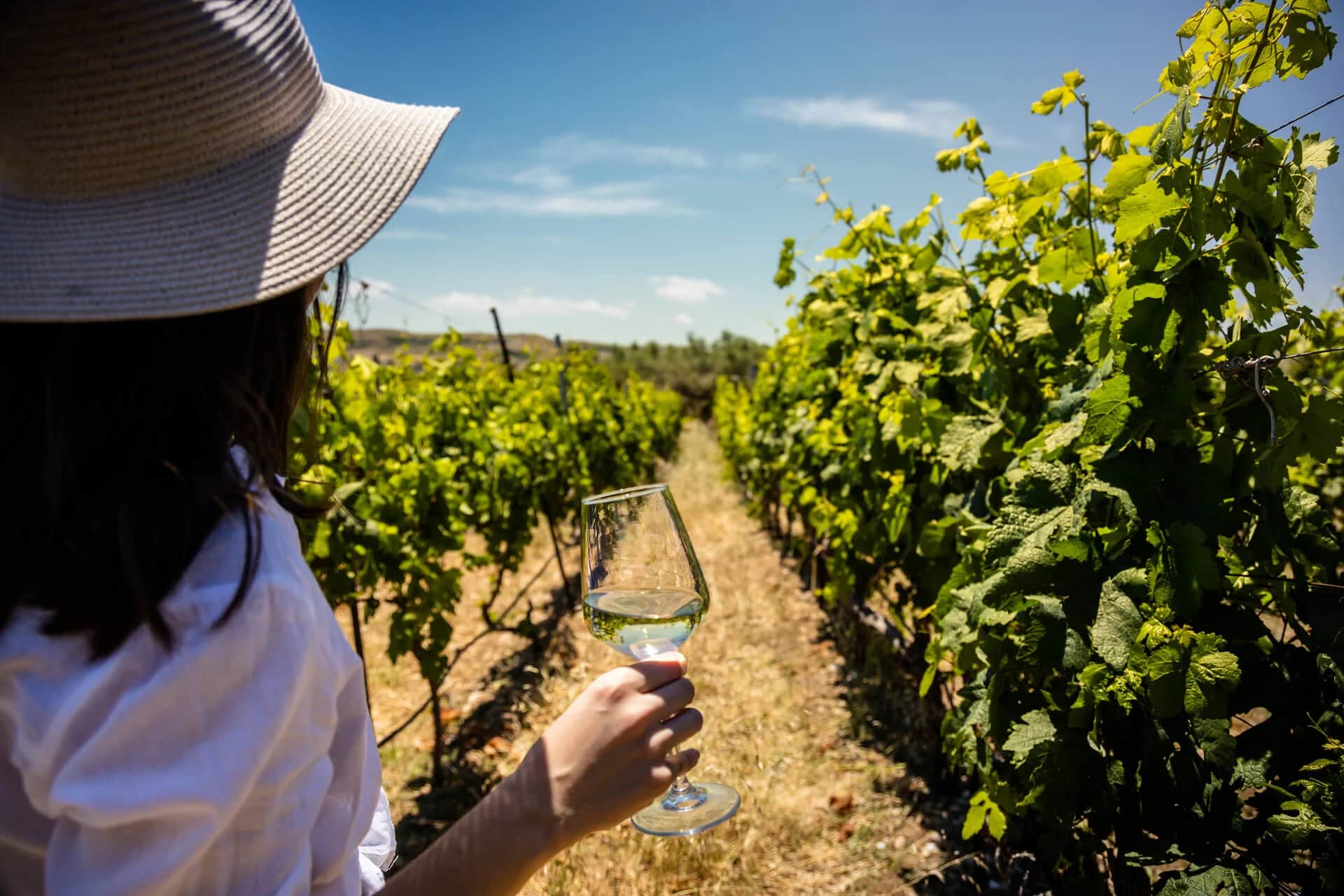 From €22
Heraklion, Crete · 1 hours
Winery Experience in Heraklion, Crete: Vineyard Tour, Cellar Visit & Wine Tasting
Check availability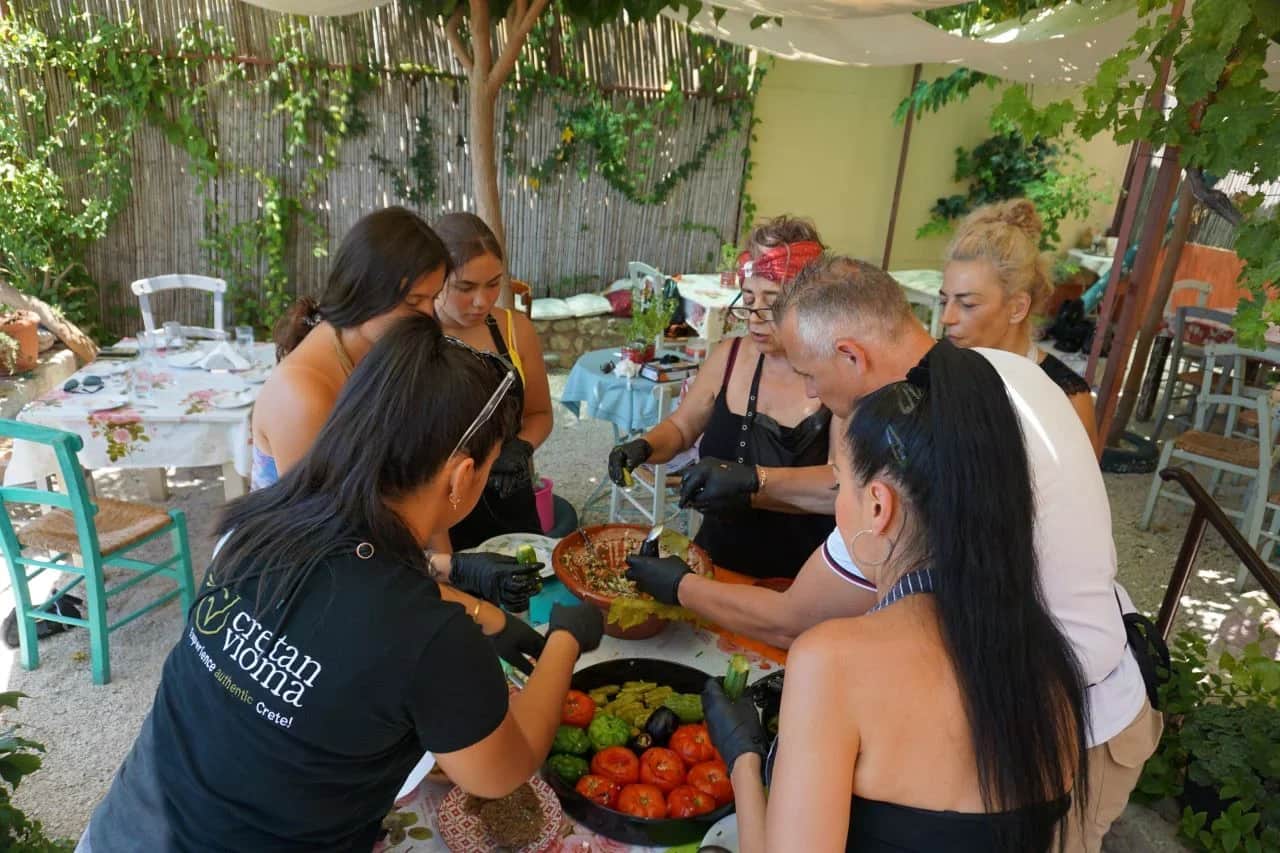 From €200
Crete · 6 hours
Cretan Cooking Class & Olive Oil Tasting in Description
Check availability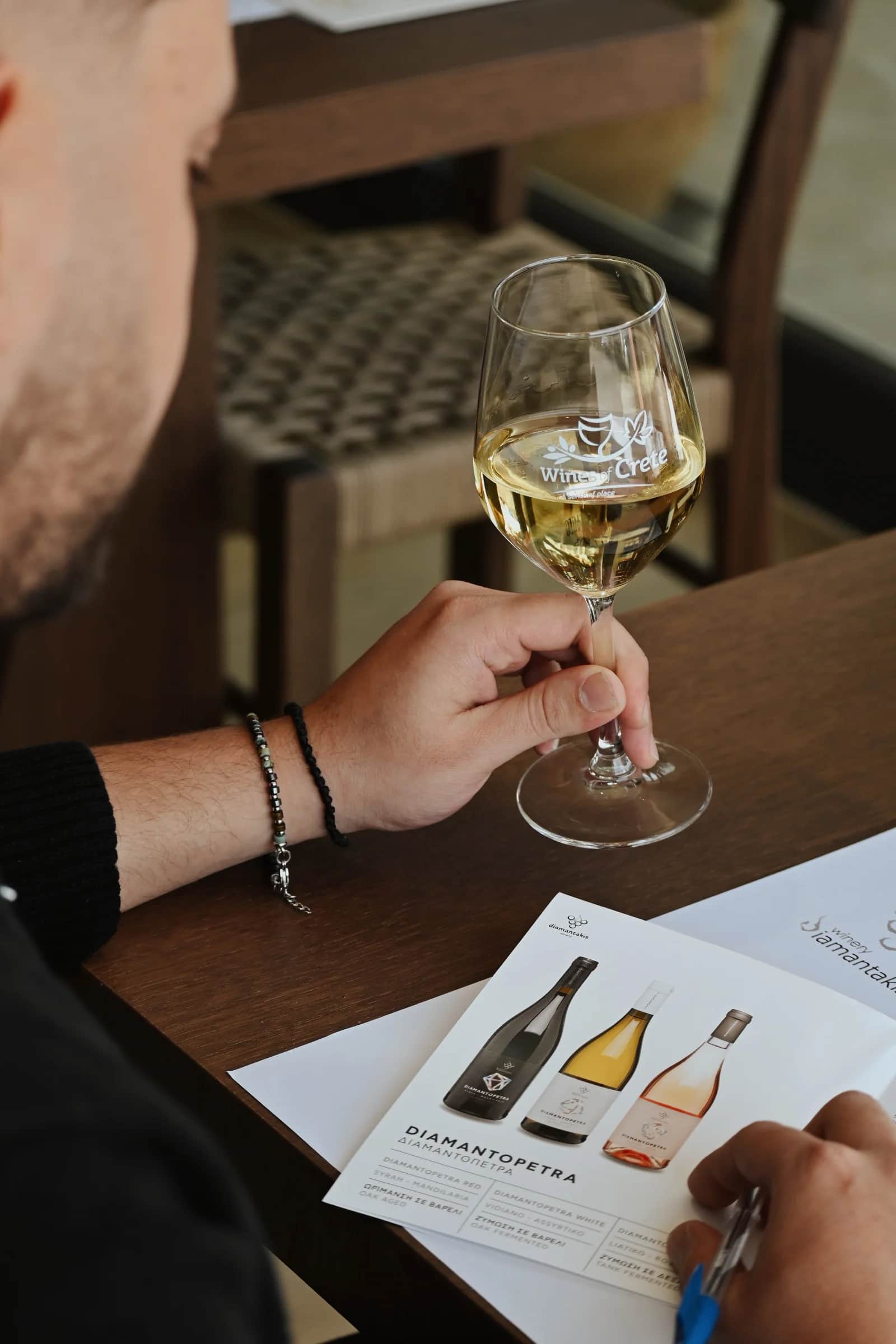 From €15
Heraklion, Crete · 1 hours
Tasting of 5 typical Cretan wines in Heraklion
Check availability From €19
Heraklion, Crete · 1 hours
Cretan Wine Tasting near Heraklion
Check availabilityWhere the Cancellation Line Sits
Free cancellation up to 24 hours before departure is the usual term across our listings, and the booking fee itself is not refundable. It is not quite universal: the platform terms say some tours want 48 or 72 hours' notice for a full refund, so read the window on the listing rather than assuming the common one.
What the individual listings never publish is a refund rule for weather. They publish a cancellation window and a minimum booking lead, several of the boats add that a trip may be rescheduled or cancelled in bad weather, and the call is left to the operator on the day. The platform terms say weather-dependent activities such as sailing may offer rescheduling, which is as close to a written answer as you will find.
So treat the cancellation line as the real decision point rather than the forecast — at 24 hours out, a September forecast is still guessing. If losing the day matters, message before booking rather than reading the listing hoping the answer is in it.
The Museum and the Palace at the Same Price
The clearest illustration of the whole weather question sits inside two products at the same price from the same operator.
A guided tour of the Heraklion Archaeological Museum is €80 per person. A guided tour of Knossos is also €80 per person. The museum is entirely indoors — climate-controlled galleries holding the Phaistos Disc, the bull-leaping fresco and the gold work from the tholos tombs. Knossos is an open site with almost no cover.
On a wet day these two are not interchangeable, and the €80 tells you nothing about which is which. Do the museum in the rain and hold the palace for a dry morning; our guide to Knossos and the museum together sets out the order and the tickets.
One thing to read carefully on the museum listing: its included list is a single line — a guided tour led by a licensed guide, a historian or archaeologist — and its not-included list is empty, so the museum's own entrance fee is neither promised nor excluded anywhere on the page. Budget for it separately. The summary says one hour while the page's structured data says an hour and a half, so treat the duration as approximate.
Minimum Group Sizes and What They Cost You
The weather-proof half of the catalogue is cheap per head and quietly expensive for two people, because several of these carry a minimum party.
The €80 museum tour has a two-guest minimum, so the real floor is €160. The €90 pottery session also takes a minimum of two, and a maximum of five — the smallest ceiling on the list. The €120 full-day producer circuit takes a minimum of two and a maximum of eight. The €28 herb session in Chania needs two.
Against that, the €15 and €19 cellar tastings, the €22 Petradias flight, the €30 pairing course, the €50 beeswax workshop and the €75 icon workshop all take a single guest. A solo traveller on a wet morning has a genuinely different shortlist from a couple.
Two access notes worth reading before you book rather than after: the Rethymno iconography workshop says it has no lift and is not suitable for wheelchair users or for children under twelve, and the pottery session asks you to skip long nails and jewellery.
When Rain Is Likely, Month by Month
June, July and August are effectively rainless on the lowland north coast. The first real rain of the season normally arrives in September, usually short and heavy rather than all-day, and often followed by a clear washed morning. October is genuinely mixed. From November to March the island is properly wet, with January the peak, and by then most of what we sell has closed for the winter: sailing and safari run April to October, with the two eastern outliers above. Wine is the exception that matters. The main tasting season runs April into early November and most estates then go quiet, but not all of them — the €19 tasting near Heraklion publishes dates to mid-March and the €50 small-winemakers tasting in Chania to the end of May, and the guided museum tour runs all winter as well. A wet January in Crete is thin, not empty.
There is one more variable, and it is the most useful of all. Crete has high mountains down its spine, and rain arriving from the north-west drops most of itself on the northern slopes, so it is common for the north coast to be under cloud while the south — Ierapetra, Makrigialos, Plakias, Matala — is dry. Before you write the day off, check the forecast for the other coast: it is a drive of one to two hours, and in September and October it is the first thing to try. Under a full winter depression the whole island gets the same weather.
What to Book Instead, by How Much Day You Have
A cancellation leaves a specific hole, and it helps to fill it with something the same size.
An hour or two gone. A cellar tasting at €15 to €30, the €28 herb hour in Chania, or the €50 beeswax workshop, which starts every ninety minutes from 09:00 and so fits almost any gap.
A morning gone. The €80 museum tour, at 08:00, is the only genuine morning on this list. The pottery wheel and the icon workshop are good answers to a ruined afternoon and no use at all for a ruined morning, which is the sort of thing only the booking calendar tells you.
A whole day gone. A cooking class with the meal inside the fare, or the €120 producer circuit — 09:00 to 17:00 with hotel pick-up, an olive grove and mill, a winery, a raki distillery, lunch and an optional pottery lab. Almost all of it is under a roof, and none of it asks you to drive on wet roads. Both are high-season bookings, so in the wet months the cooking classes outlast the circuit.
An evening gone. The €40 folklore show, which is the only one of these that gets better in bad weather — as long as the evening you lost was a Wednesday or a Saturday.
How to Choose on a Grey Morning
Check the wind before the rain if a boat is involved, and check the other coast before you give up on the outdoors.
Then book early rather than waiting for the sky to clear. Most of these run for very small groups — ten or twelve guests on the tastings, five on the pottery wheel — and they fill on exactly the mornings when every visitor on the north coast is looking for a roof.
Match the replacement to the hole: swapping a six-hour boat for a one-hour tasting leaves five hours to fill and usually ends in a shopping street. Between November and March, invert the question entirely — assume the boats and the safaris are not running, build the trip around the indoor half from the start, and treat every dry day as the bonus it is. Our guide to half-day tours from Heraklion covers how the shorter options fit around a fixed clock.
Common Mistakes to Avoid
Walking a gorge because the beach is out. The gorge is the one item on the list with a safety consequence, and rain upstream arrives hours later.
Assuming a winery cancels in the rain. It does not. The tasting is indoors and the estate simply drops the vineyard walk.
Reading a clear forecast as a confirmed boat. Wind takes more departures than rain does, and a blue-sky north-westerly is the classic cancellation.
Waiting until morning to rebook. The 24-hour free-cancellation line has usually already passed, and the small-group indoor options are the first things full.
Reading €80 as €80. On the museum tour, and on the pottery and the producer day, the two-guest minimum is the real floor.
Expecting the listing to have a rain policy. It has a cancellation window. If the weather answer matters, ask before you book.
Assuming the indoor half is there all year. It mostly is not. Read the booking calendar rather than the description — a listing that describes a year-round activity can still have no dates after October.
Where to Stay
For a trip that might meet weather, stay where the indoor half is dense and the drive to the other coast is short. Heraklion is the strongest base on that measure: the archaeological museum in the centre, the wine villages twenty minutes south, the workshops and the folklore evening within reach, and a road over the middle of the island when the north is wet. Rethymno sits centrally enough to drive either way and holds the icon workshop. Agios Nikolaos and the east are the driest bases on the island, and the sensible choice for a late-season trip. Whatever the base, a covered terrace changes a wet afternoon more than a sea view does.
We run our own villa company, My Creta Villa, so this is not a neutral recommendation and we would rather say so plainly: the villas below are ours, and they are the ones we know the terraces and the winter heating on.
Villas around Heraklion
My Creta Villa is our own villa company — same family as this guide.
 From €400
Heraklion
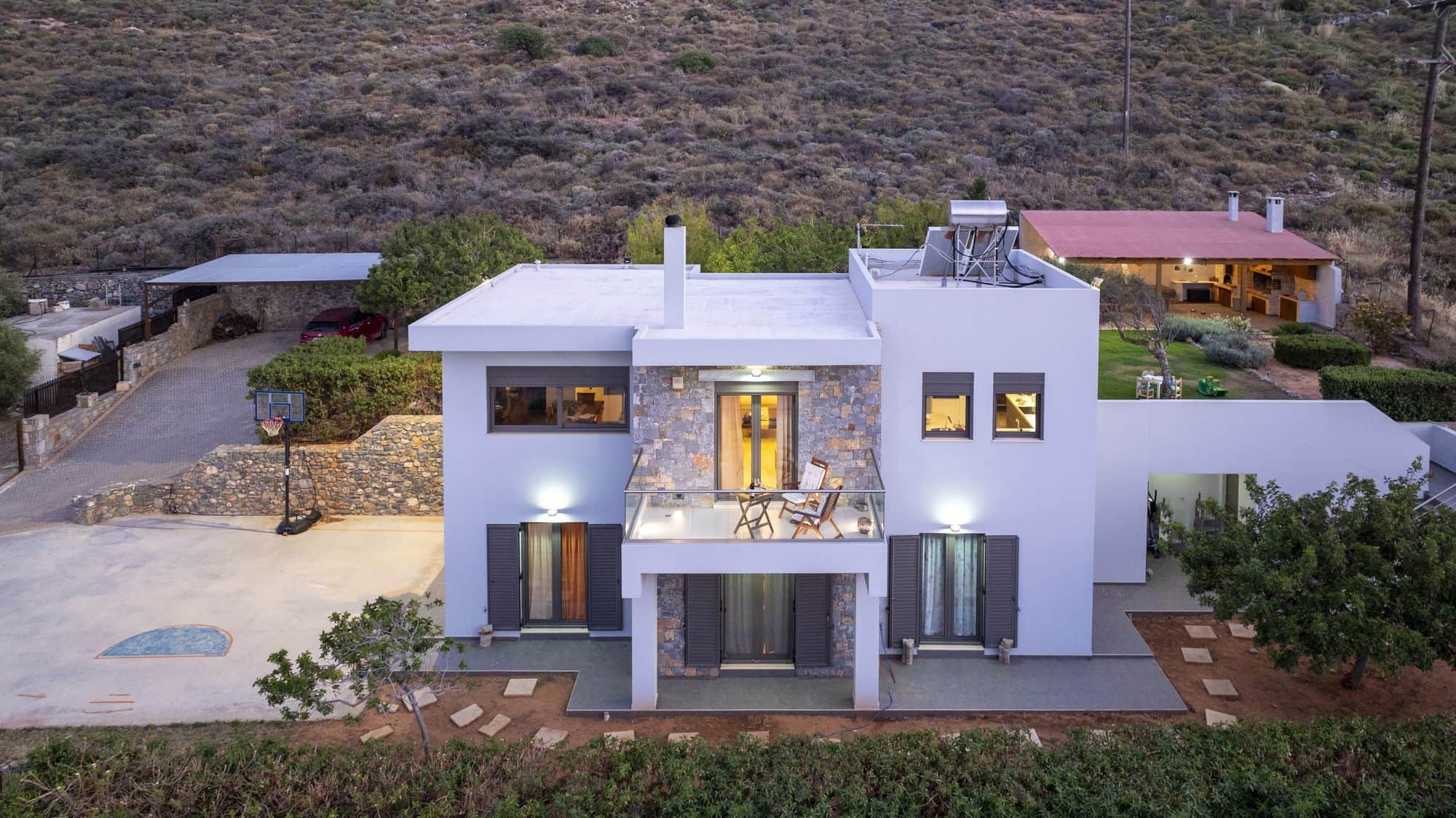
Luxury Villa Kopsas
8 guests · 4 bedrooms
View villa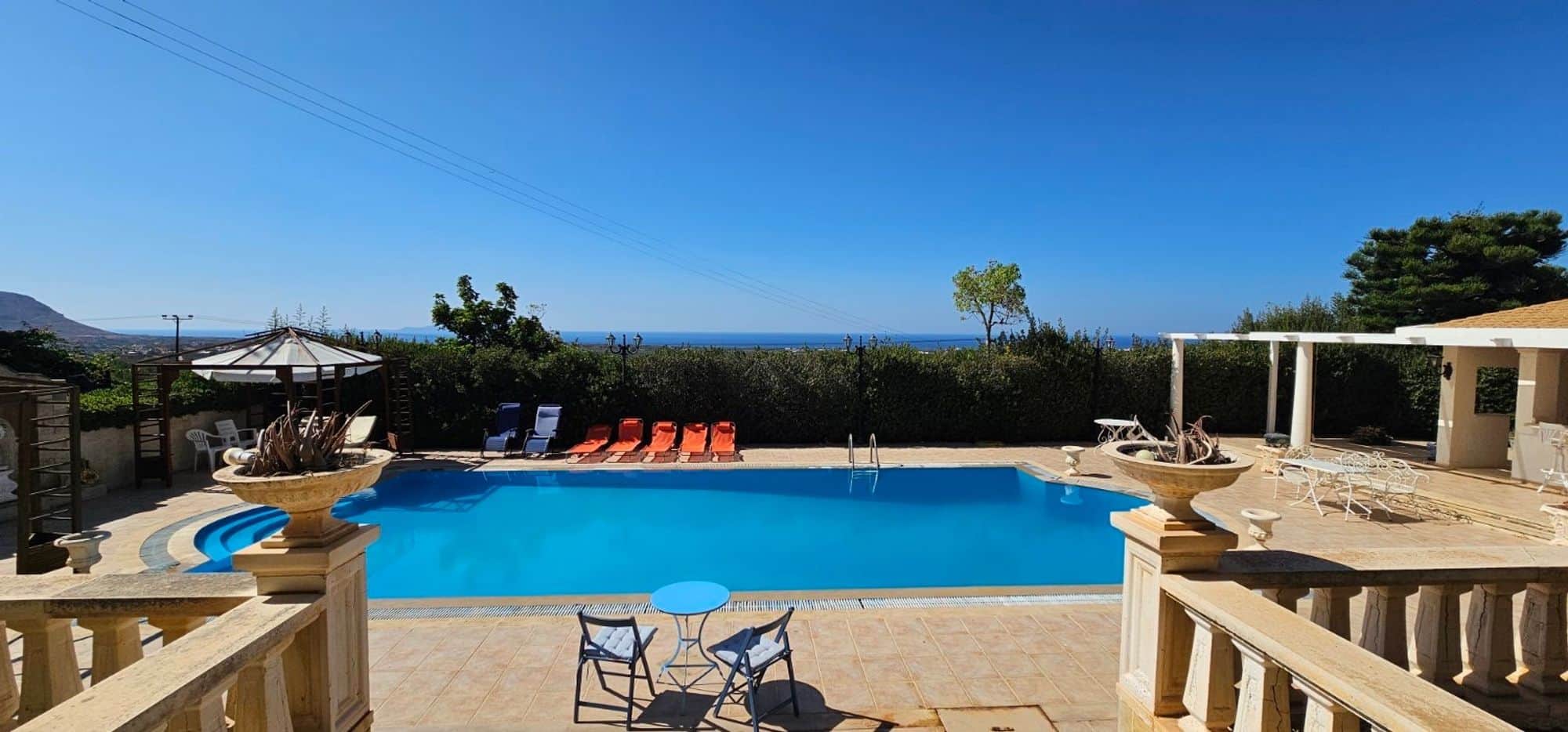 From €650
Heraklion
Palazzo Reale Superior Villa
13 guests · 7 bedrooms
View villa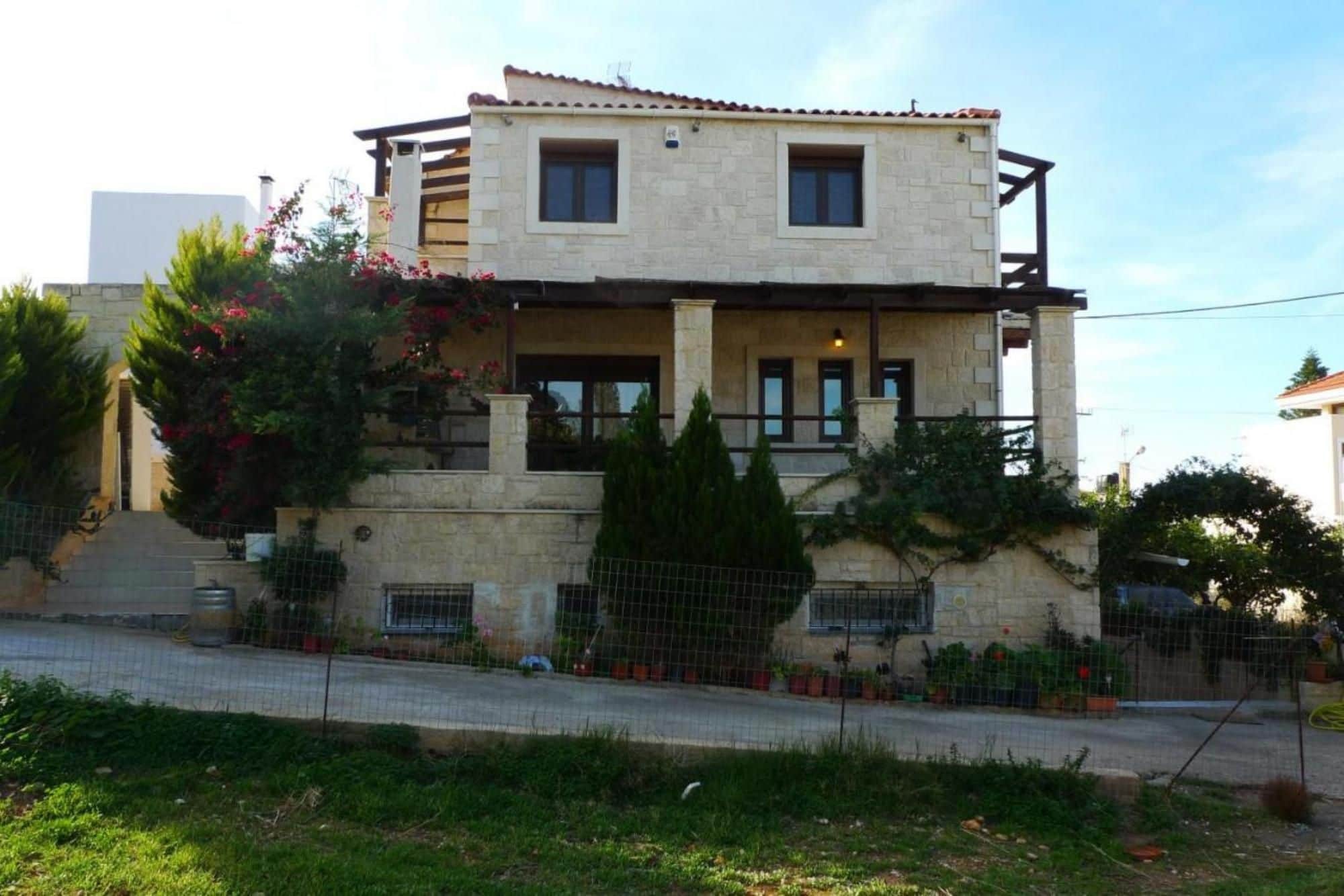 From €430
Heraklion
Stone and Wood Villa
10 guests · 4 bedrooms
View villa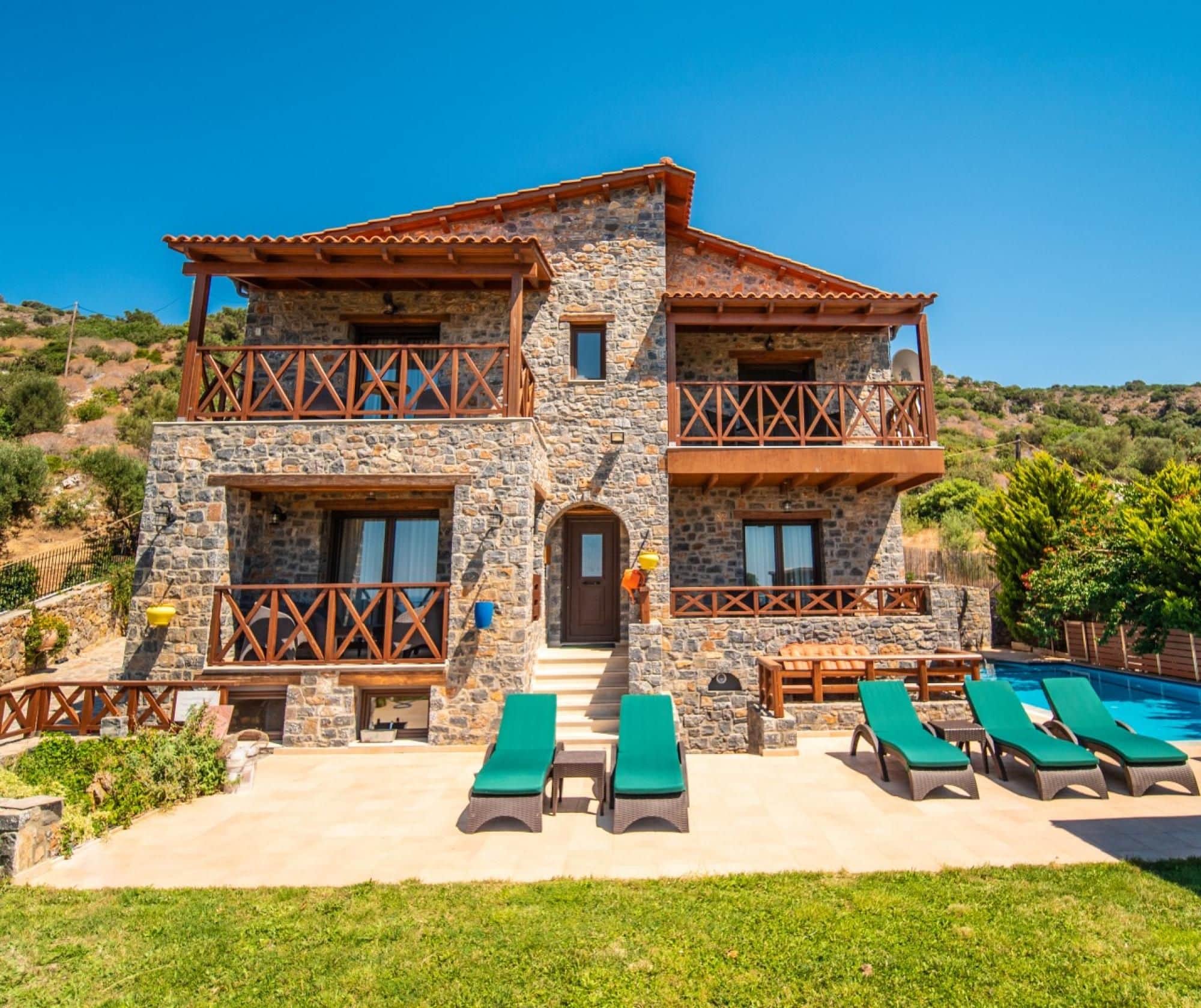 From €570
Milatos, Lasithi
Villa Avia
12 guests · 5 bedrooms
View villa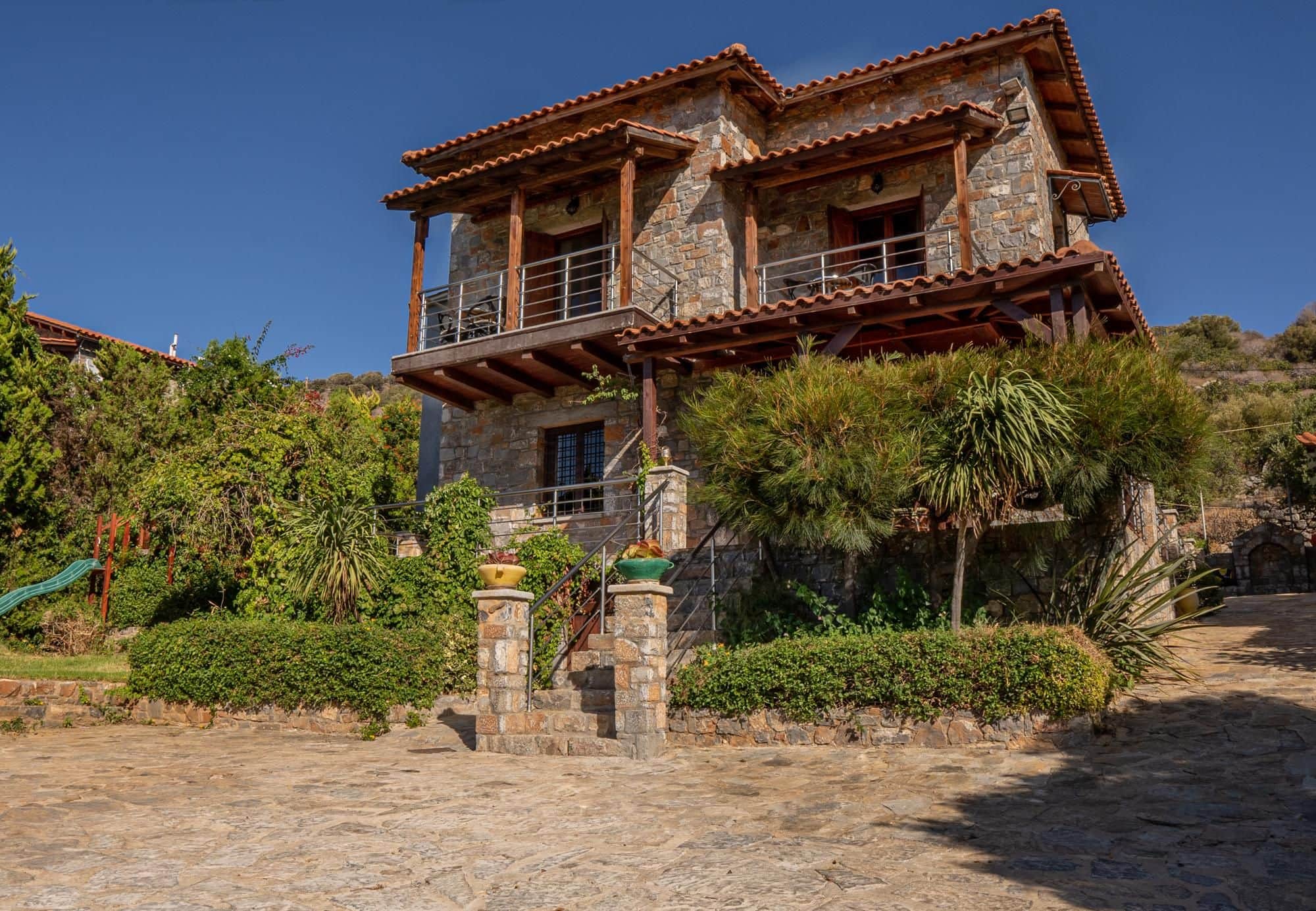 From €450
Lasithi
Iris Stone Built Villa
9 guests · 3 bedrooms
View villa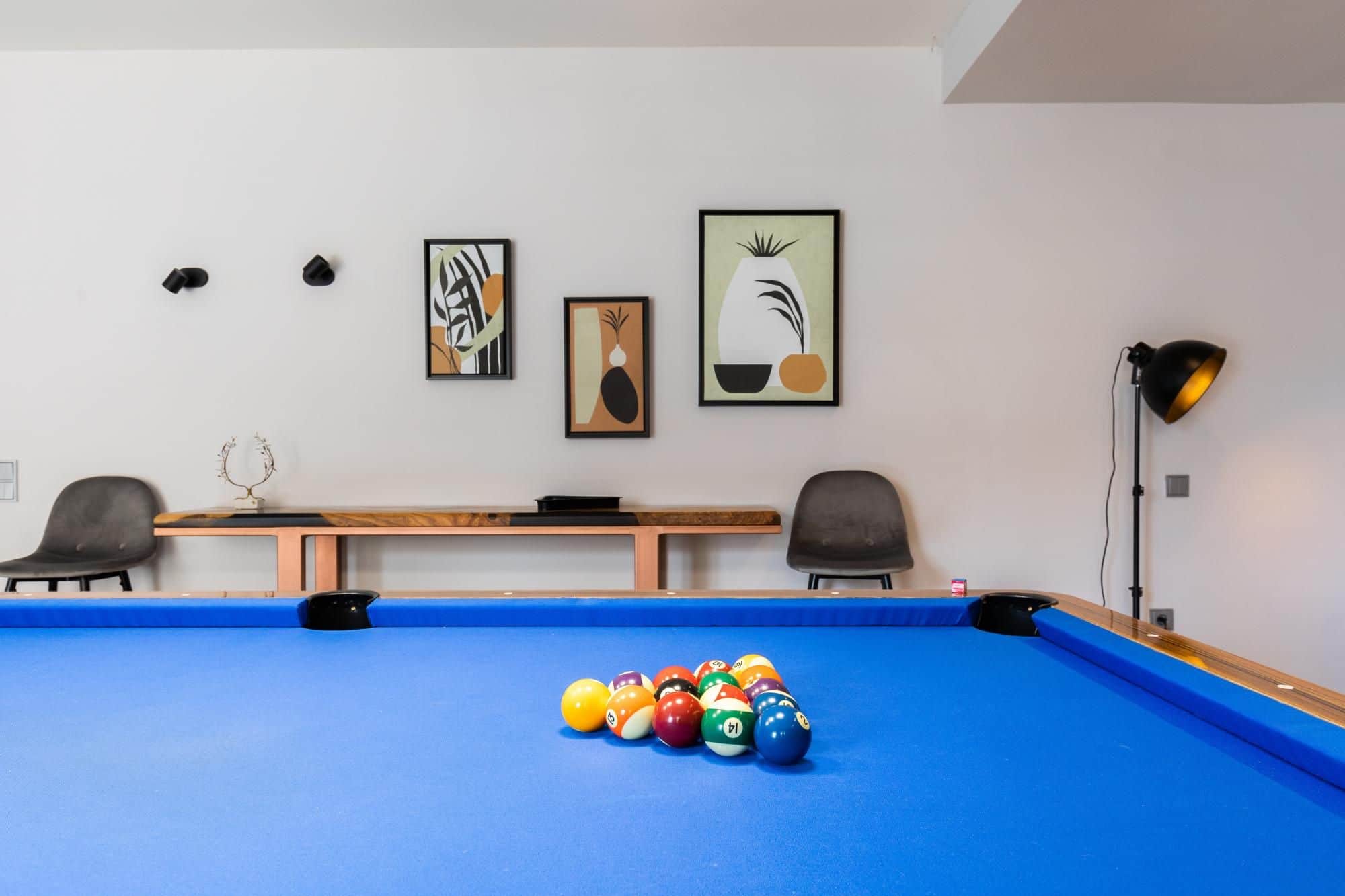 From €560
Lasithi
Blue Horizon Villa
10 guests · 4 bedrooms
View villaCrete tours in the rain: frequently asked questions
Do boat trips in Crete run in the rain?
It depends on the wind more than on the rain. Almost the whole category runs April to October, and the operator may reschedule or cancel when conditions are wrong. Free cancellation up to 24 hours before departure is standard on our listings, and the booking fee is not refunded.
What happens if my tour is cancelled for weather?
The operator contacts you, and some Dia yachts switch to a sheltered bay or the Heraklion coast rather than cancel. Our listings carry free cancellation up to 24 hours ahead, but a weather cancellation comes from the operator's side rather than yours. None of the listings publishes a weather-refund guarantee, so ask before booking if the answer matters.
What can you still book in Crete when it rains?
Cellar wine tastings from €15, a food and wine pairing course at €30, the Cretan folklore evening at €40 on Wednesdays and Saturdays, a beeswax workshop at €50, an icon workshop at €75, the guided museum tour at €80, pottery at €90 on a single 15:00 start, and a full producer day at €120. All of them happen indoors, though in the winter months the list shortens to the €19 and €50 tastings and the €80 museum tour.
Is Knossos worth visiting in the rain?
It stays open, but it is an open site with almost no cover. The Heraklion Archaeological Museum is the indoor half of the same story and costs the same €80 for a guided tour, so do the museum wet and the palace dry.
Can I visit a winery in Crete in winter?
Yes, though the choice narrows sharply. The main tasting season runs April into early November and most estates go quiet after it, but two we list publish straight through: the €19 tasting near Heraklion has dates to mid-March and the €50 small-winemakers tasting in Chania to the end of May. For anywhere else, phone ahead between December and March rather than assuming.
Final Thoughts
The honest shape of this is simple. Most of what we sell in Crete is weather-dependent and seasonal, and on a wet day it is gone. What is left happens in a cellar, a kitchen, a workshop or a gallery: the bookings on this page run €15 to €120, and the cooking classes above them reach €350. None of it cares what the sky is doing.
It does care what the month is, though, and that is the part nobody writes down: most of the indoor list stops publishing dates in October along with the boats, and by January the reliable three are effectively the catalogue.
The mistake is treating the indoor half as a consolation prize. An hour with five estate wines and a plate of rusks, or an afternoon at a wheel with clay on your hands, is not what you do because the boat was cancelled — it is a large part of what people remember about the island afterwards. Book it deliberately, book it before the morning it rains, and check the wind and the other coast before you give up on anything.
Browse experiences in CreteExperiences you can book now
From €15Heraklion, Crete · 1 hours
Tasting of 5 typical Cretan wines in Heraklion
Check availabilityFrom €19Heraklion, Crete · 1 hours
Cretan Wine Tasting near Heraklion
Check availability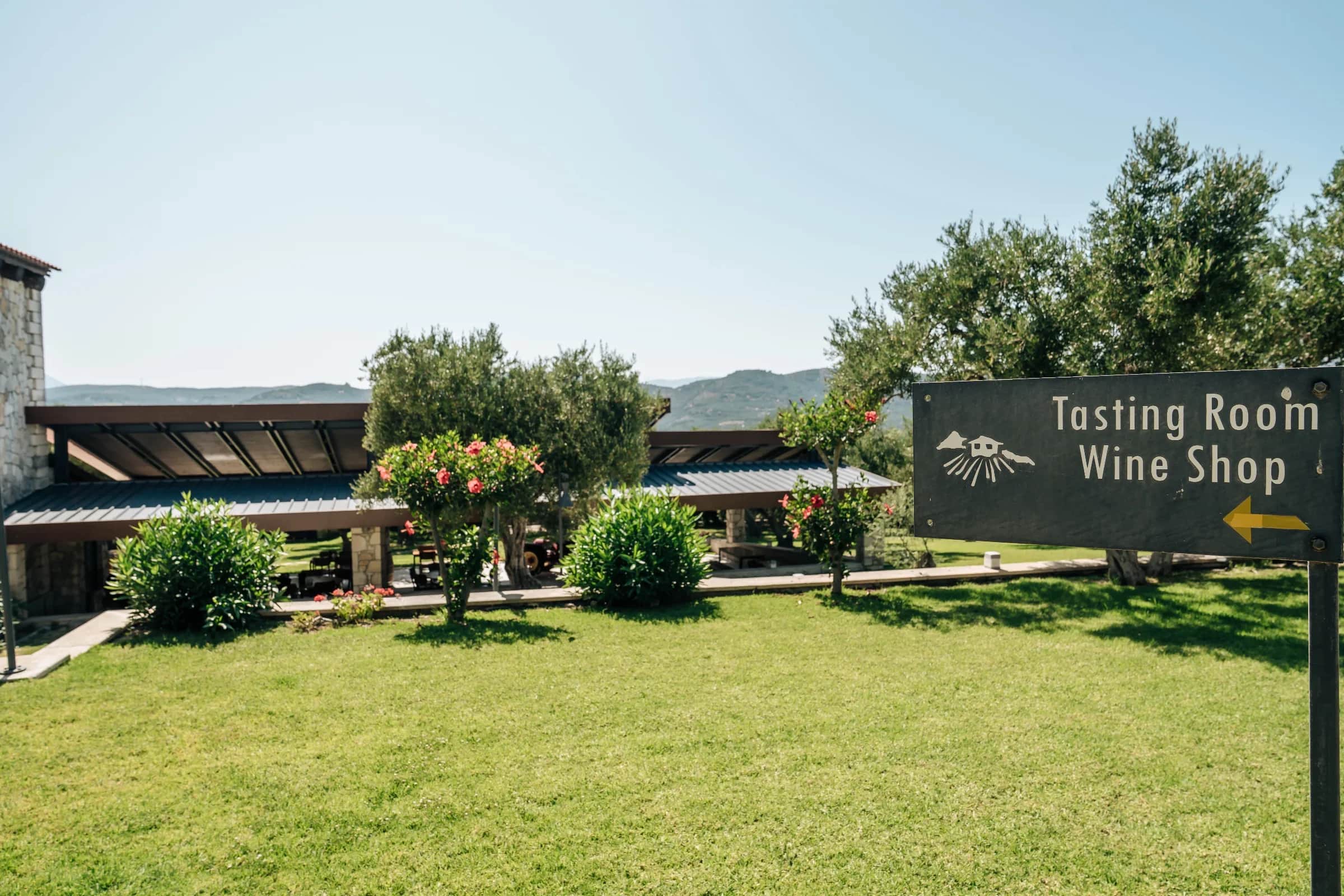 From €20
Chania, Crete · 1 hours
Small Premium Wine Tasting in Kolymvari, Chania
Check availabilityFrom €22Heraklion, Crete · 1 hours
Winery Experience in Heraklion, Crete: Vineyard Tour, Cellar Visit & Wine Tasting
Check availability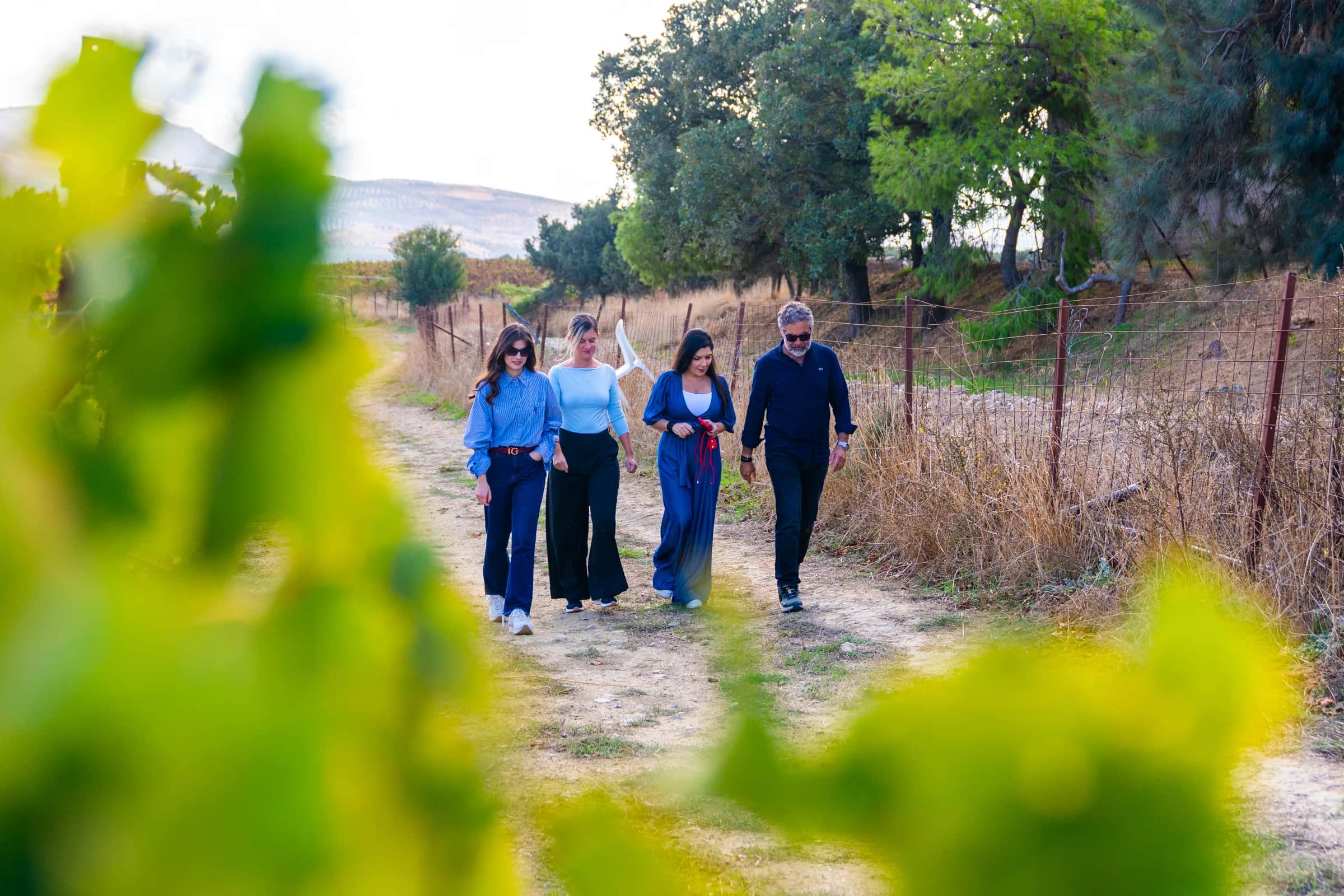 From €22
Crete · 1 hours