Cooking Classes in Crete: Chania, Heraklion and Rethymno from €95
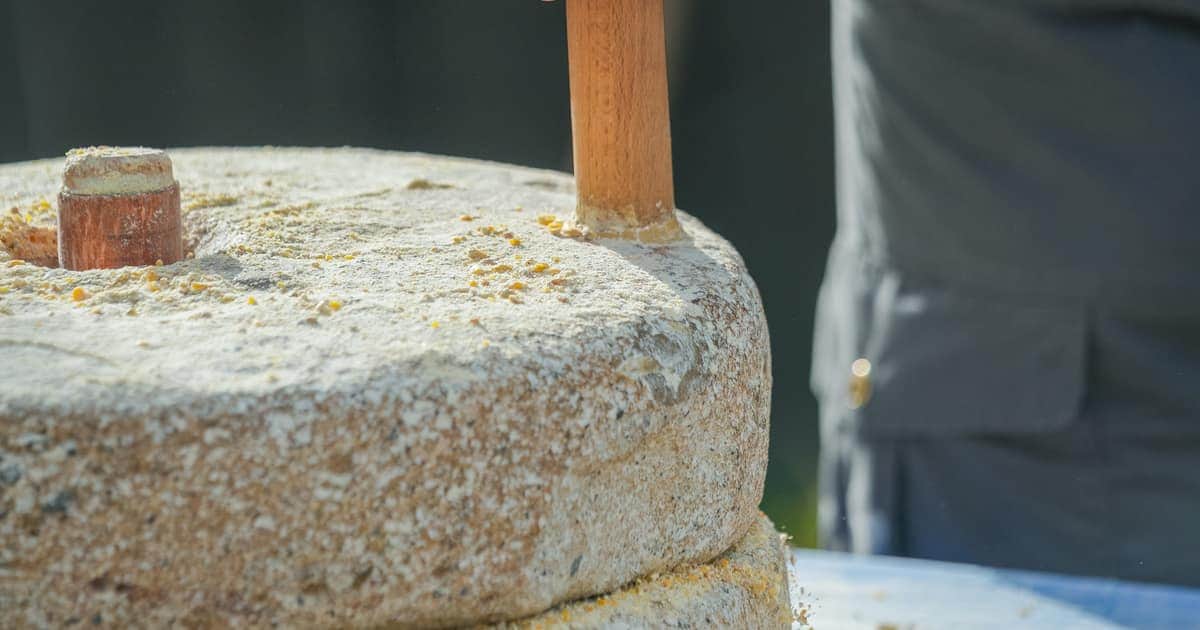
Cooking classes in Crete run from €95 to €350 per person, last three to six hours, and almost always end with you eating everything you made. The classes we list sit in three regions — Chania, the Heraklion countryside and the hills behind Rethymno — and the region you are staying in should decide your booking more than the price does, because every class involves a drive out of town.
This guide is organised by where you are based rather than by ranking. It covers what a class actually involves, what each region does differently, what the prices include, and the one part of the island where we have to tell you plainly that we have nothing to sell you.
Quick Summary
The group classes we list cost €95–120 per person for three to five hours, including everything you cook and, in most cases, wine at the table. Above that band, €200 buys a six-hour version with hotel pickup, an olive mill visit and an oil tasting attached, and €350 buys a private farm-to-table lesson. Chania has the deepest choice, Heraklion has the village and olive-mill formats, Rethymno has the shortest class, and eastern Crete has none. Book three to four days ahead, and treat the class as your main meal of the day.
What a Cretan Cooking Class Involves
Nearly every class we list follows the same four stages, which makes them easy to compare. You start outside the kitchen, walking a garden or an olive grove and picking some of what you are about to cook. You then spend the first hour with flour on your hands, because Cretan cooking leans on pies and pastry far more than restaurant menus suggest. A slow main goes into a wood oven, a clay pot or an open fire pit while you prepare the rest. Then everybody sits down and eats it.
The dishes rotate with the season and the host, but the pool is small: dakos, the barley rusk with grated tomato and fresh cheese; kalitsounia, the small hand-shaped pastries filled either with mizithra cheese or with wild greens and herbs; stuffed vegetables baked slowly until the edges catch; a braise or a meat pie; and something sweet, usually spoon sweets or thick yoghurt with honey. None of it is complicated. That is why these recipes survive the flight home, and it is the honest reason to book a class over another restaurant dinner.
Cooking Classes in Chania
Chania has the widest choice on the island and the strongest farm settings. Both classes we list sit inland from the city rather than in the old town, which is normal here — the garden is the point of the class, and gardens are not in city centres.
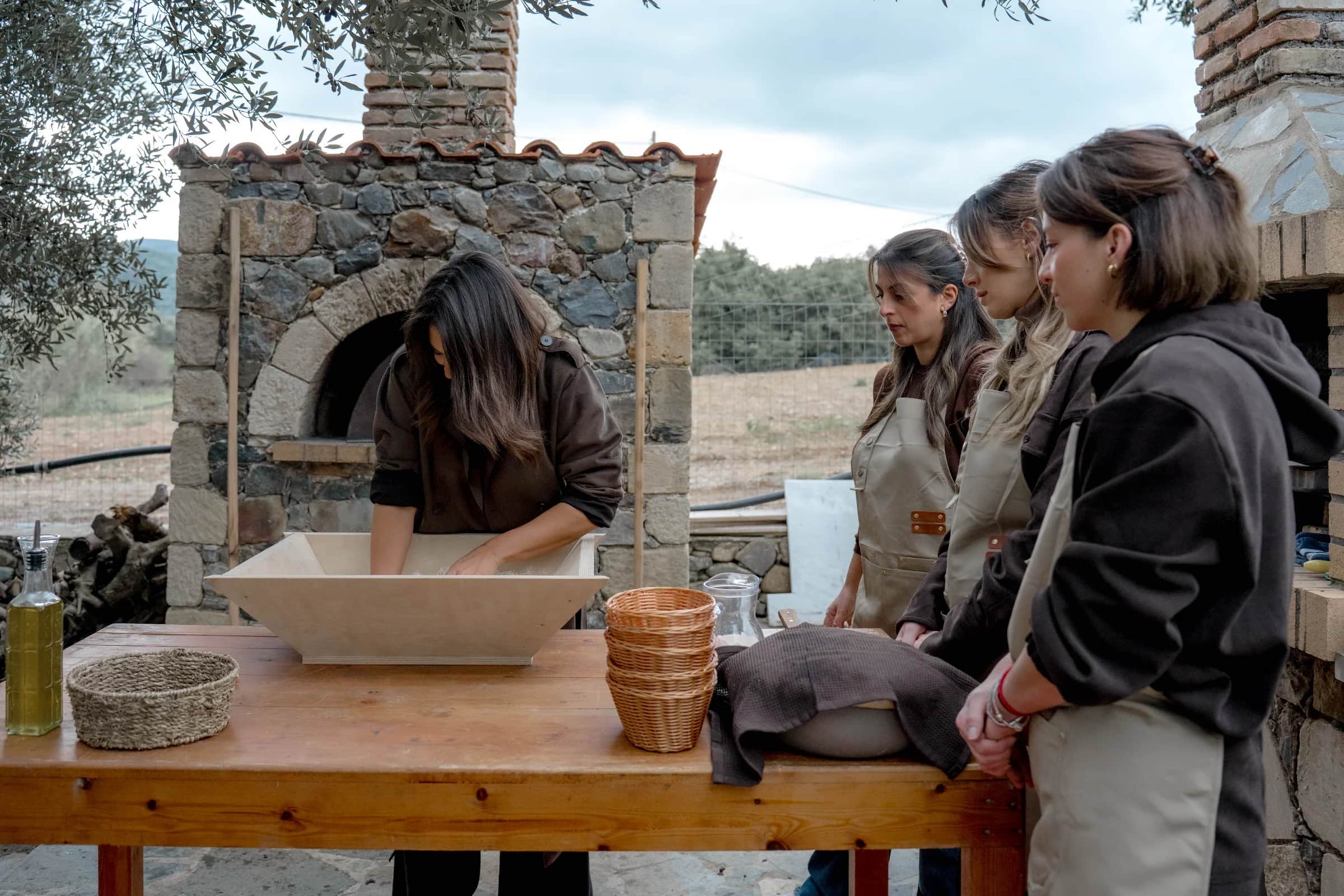
The Cretan Gea class (€120, five hours) runs at Xirosterni in Apokoronas, a village setting where the cooking happens partly over open fire pits and the vegetables and herbs come out of the garden you have just walked. Five hours sounds long until you are in it; roughly the last of those hours is the meal. Hands in Flour (€100, four hours) is the more compact version and, as the name promises, the more dough-focused one.
If you are still planning the rest of your week in the west, our Chania region guide covers when to go, how to get around and where the beaches are — this page only handles what you cook. For the day the class sits inside, our guide to things to do in Chania in one day sorts everything bookable there by how many hours it costs you.
Cooking Classes Around Heraklion
Heraklion sits in the island's agricultural middle, and its classes reflect that. The Traditional Cooking Class & Village Life experience (€110, four hours) is built around a working village rather than a purpose-built kitchen, which is the version to choose if you want the day to feel like a visit rather than a lesson.
The other Heraklion format pairs cooking with olive oil. The six-hour Cretan Cooking Class & Olive Oil Tasting (€200) takes place in a courtyard at Katalagari in the Heraklion countryside and includes hotel pickup and return from the Heraklion, Hersonissos and Malia side of the coast, an olive grove and mill visit and an oil tasting before you cook. It is the one booking on this page that solves the transport problem for you, which is worth a great deal if you have no hire car. If the oil itself is the interest rather than the cooking, our guide to olive oil tasting in Crete is the better starting point.
Central Crete is also where the private format lives. The Peskesi Farm private cooking experience (€350, five hours) is a farm-to-table lesson for your group alone, at your pace, with the menu shaped around you — a milestone booking rather than a Tuesday one. We put it on our honeymoon shortlist for exactly that reason.
Cooking Classes near Rethymno
Rethymno's class is the gentlest of the three regions and the easiest to fit around a beach day. The hands-on class in a garden near Rethymno (€95, three hours) is the shortest genuinely useful format we list: you cook a full meal, you sit down to eat it, and you still have most of an afternoon left. It is the one to book if a five-hour commitment feels like too much of a holiday day, or if you are travelling with someone who is happy to eat but ambivalent about cooking.
Rethymno also sits within reach of both other regions, so if you are based here and the garden class is full, either the Chania or the Heraklion options are a realistic drive. The Rethymno region guide has the wider picture of the area.
Eastern Crete: The Honest Gap
We have no cooking class in eastern Crete. Not a scheduling gap — nothing in our listings east of Heraklion is a cooking lesson at all.
What Lasithi does have is farm and olive oil experiences, and they are good in their own right, but a farm visit with a tasting is a different product and we will not present it as a class. If you are staying in Agios Nikolaos, Elounda or further east and you want to cook, plan a Heraklion day around it — roughly an hour and a half each way from Agios Nikolaos — and pair the class with something else in the city so the drive earns its keep. Our east Crete ideas cover what is genuinely worth the day out there instead.
Cooking and food experiences you can book
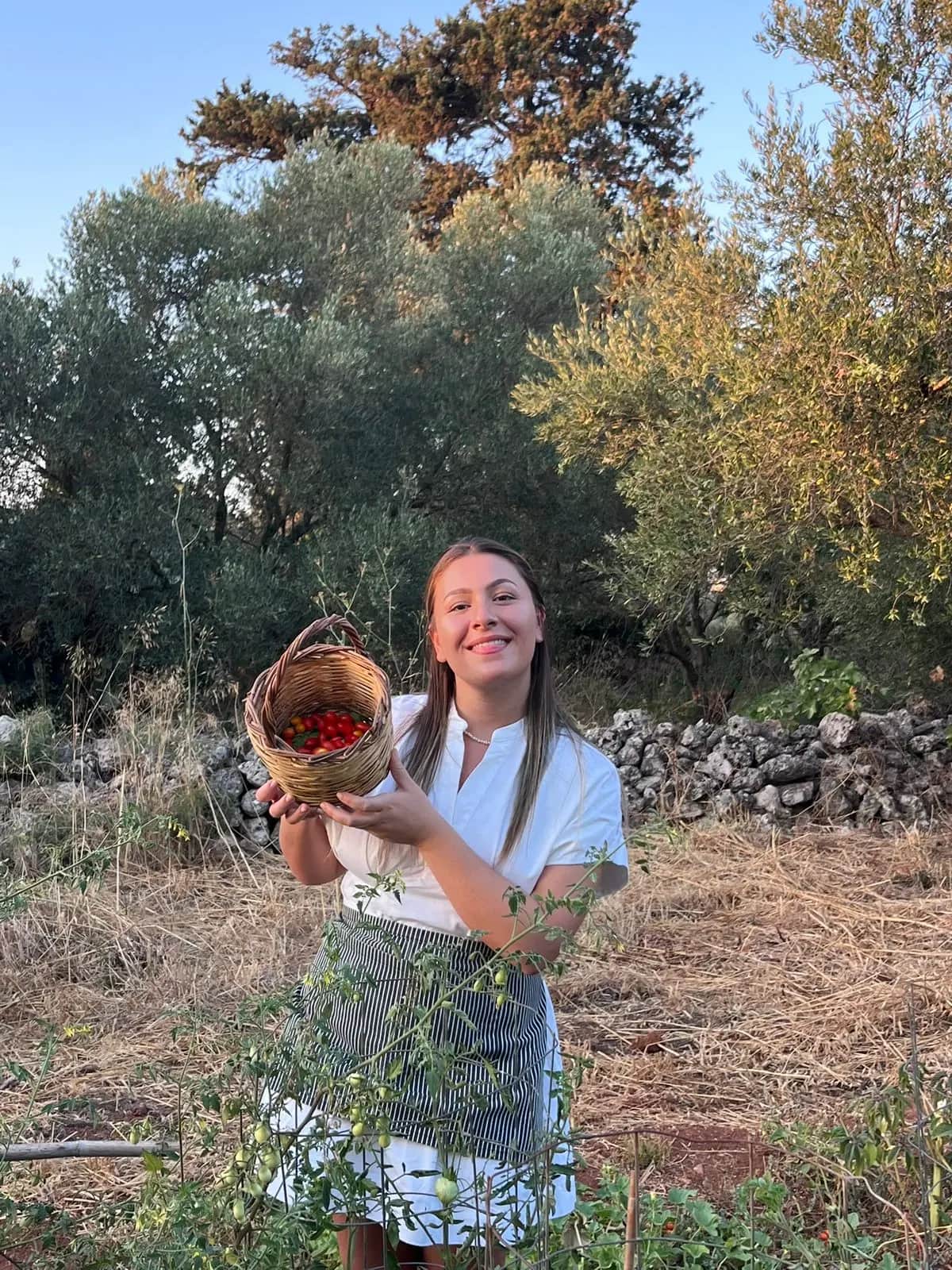 From €120
Chania, Crete · 5 hours
Chania Cooking Experience at Cretan Gea: Farm-to-Table Cooking Class in Crete
Check availability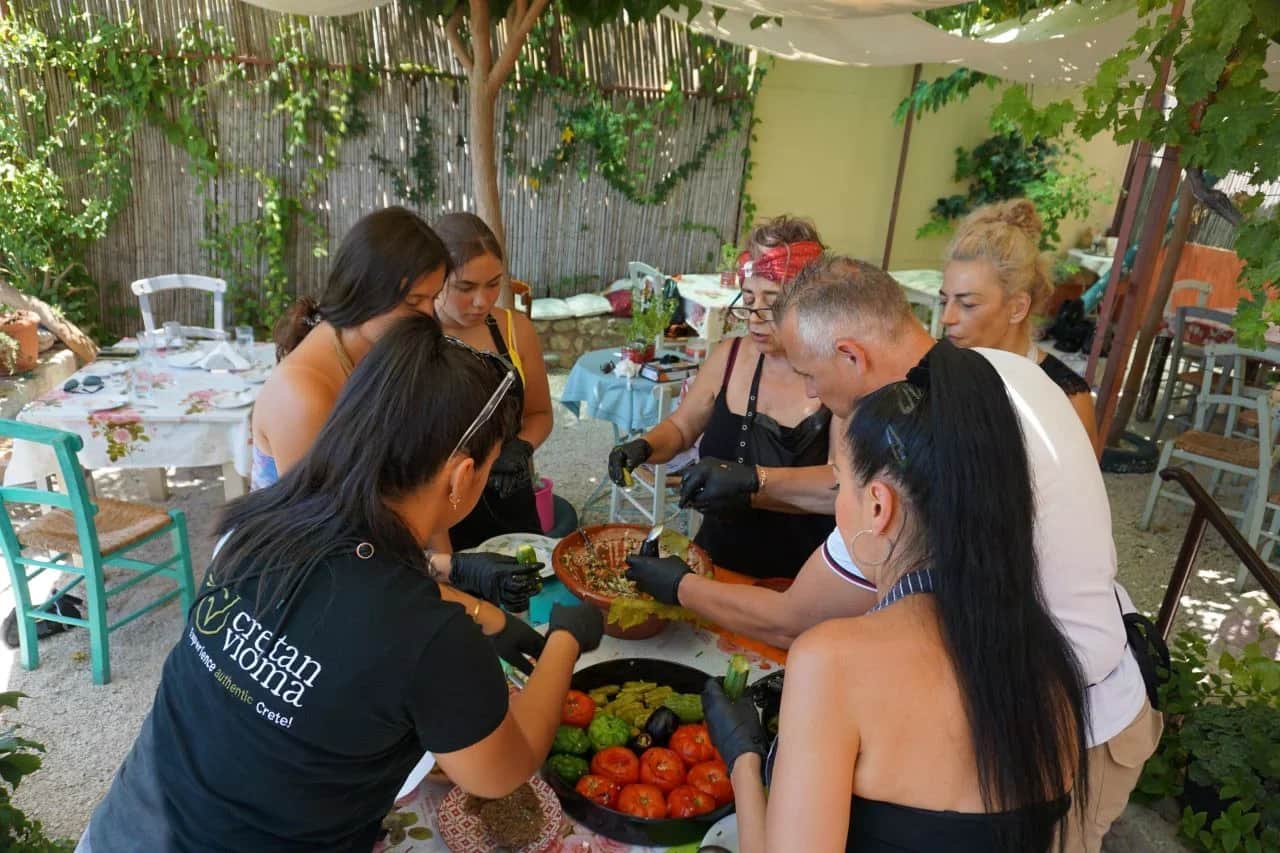 From €200
Crete · 6 hours
Cretan Cooking Class & Olive Oil Tasting in Description
Check availability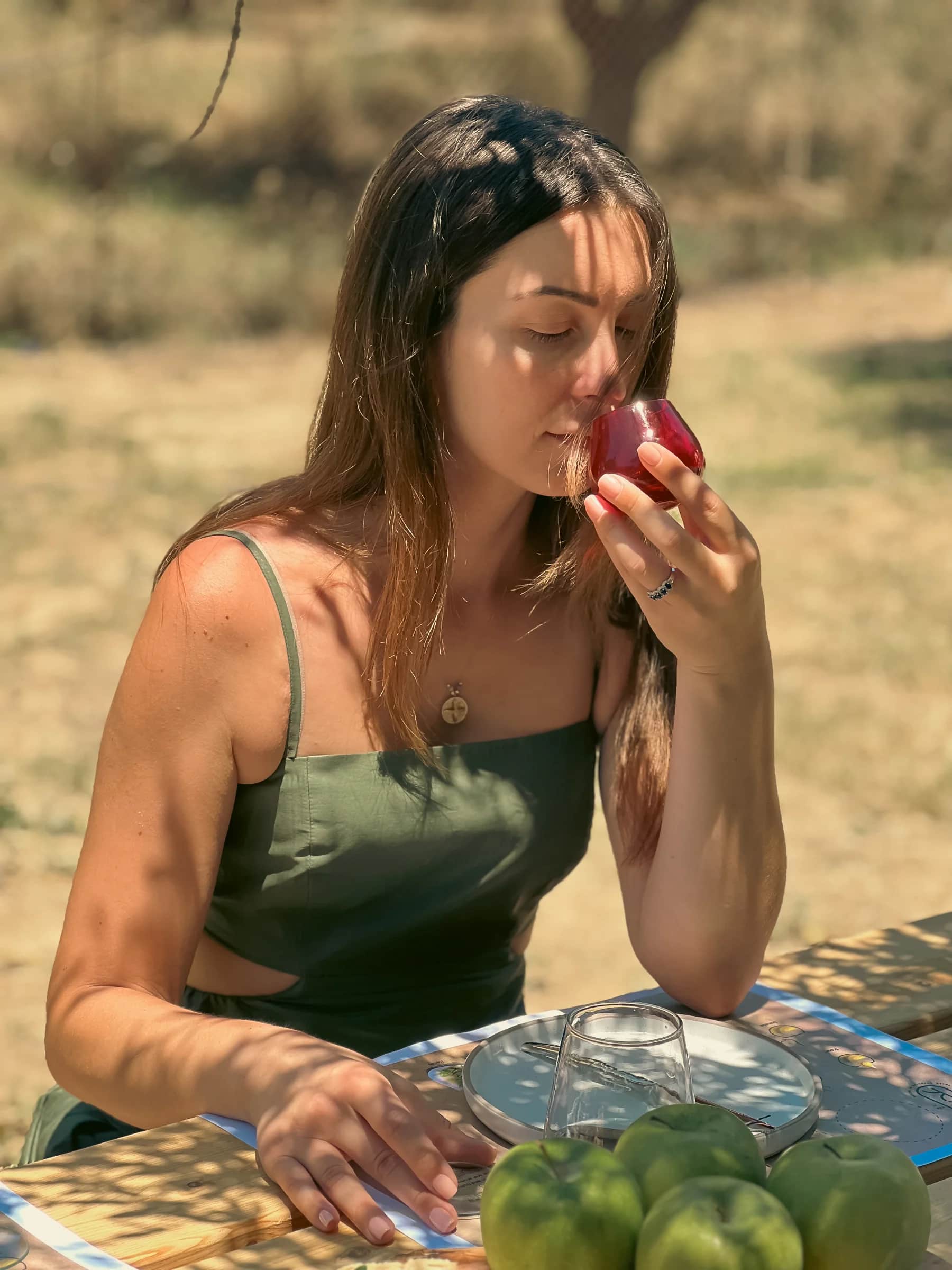 From €60
Crete · 2 hours
Cretan Olive Oil Tasting & Farm Experience in Αgios Nikolaos
Check availability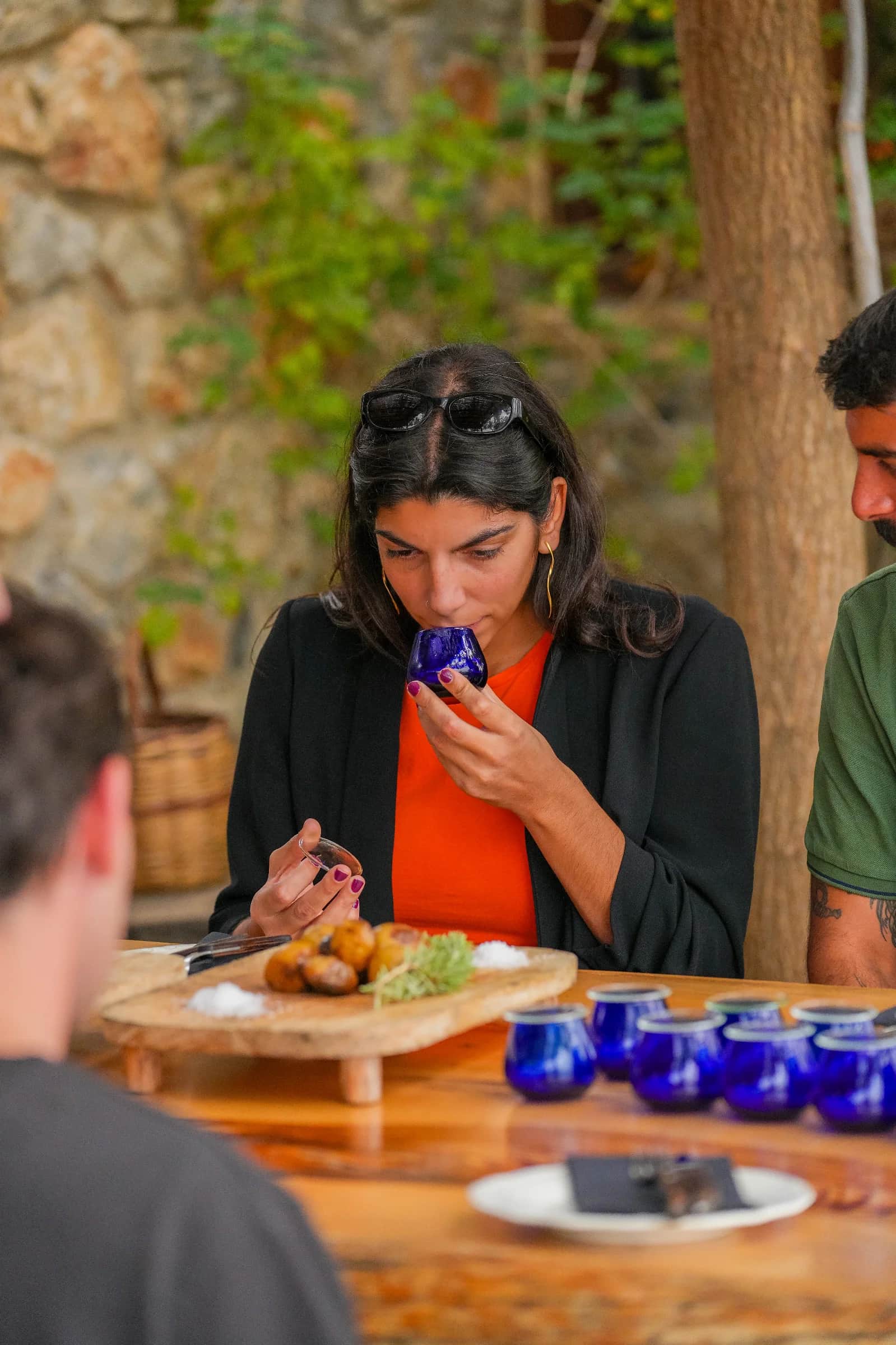 From €110
Heraklion, Crete · 3 hours
Olive Oil Tasting & Farm Experience in Heraklion, Crete
Check availabilityPrices and What They Include
Prices are per person and include the meal, which is the number people miscompare. A €110 class with wine and a full lunch is not a €110 activity — it is closer to a €70 activity with dinner attached.
€95–120 is the group-class band and where most travellers should land: three to five hours, a small group, everything you cook served at the table, recipes to take away. The differences inside the band are setting and length, not quality. €200 does not buy more cooking; it buys logistics and content — hotel transfers, an olive mill, an oil tasting. €350 buys the kitchen to yourselves.
If you do not want to cook at all, the two-hour food and wine pairing course in Heraklion is €30 and answers the same curiosity from the tasting side. It is not a cooking class and we would not sell it to you as one.
Weather, Season and Timing
A cooking class is the most weather-independent booking on this site. Boats depend on the wind and mountain routes depend on the heat; a kitchen under a roof or a vine canopy does not. That makes it the natural substitute for the day a north wind takes your boat trip away, so it is worth holding one loosely in mind rather than spending your calmest day on it.
In July and August, choose a morning or an evening start over a midday one — a kitchen without air conditioning is hard work at 35°C, and the evening version ends at a lit table, which is the better experience anyway. Spring and autumn give you more interesting produce: artichokes, wild greens and pulses in April and May, the grape and olive end of the season in October.
Getting There and What to Expect
Assume a drive of 15 to 40 minutes out of town, and settle the transfer question before you book rather than after. Some classes include hotel pickup and return, some can arrange it, and some expect you to arrive under your own steam — booking a countryside class from a resort with no car is how people end up paying a taxi fare that rivals the class.
Allow more time than the stated duration: a four-hour class with a half-hour drive each way is a five-hour commitment, and the last hour is the part you least want to rush. Bring closed comfortable shoes and an appetite. Aprons and recipes are provided, and nobody needs cooking experience — these are household recipes with short ingredient lists, taught by people used to guests who have never rolled pastry.
How to Choose Your Class
Three questions separate the class you will remember from the one you will forget.
How much do you actually cook? Hands-on classes and demonstrations both trade under the same name. If the description talks about what you will prepare rather than what will be prepared for you, it is the hands-on kind — all five classes on this page are.
How long can your group sit still? Three hours suits young children and short attention spans; five suits people who want the whole afternoon to be the plan. Four is the middle and the most common.
What do you need the kitchen to work around? Vegetarian and vegan menus are straightforward, because the Orthodox fasting tradition left Crete a deep everyday repertoire built without meat, dairy or eggs. Gluten-free is the harder ask — not because Cretan food as a whole is wheat-heavy, but because what a class actually teaches you to make is dough, from the barley rusk under a dakos to the pastry of kalitsounia and pies. Raise it when you book, not on the day.
Common Mistakes to Avoid
Booking it for the last full day. It becomes the meal you are too tired to enjoy, and you lose the slot you would have used to rescue a weather-hit day earlier in the week.
Eating lunch first. The class is the meal. Come hungry and keep the evening light.
Underestimating the drive. A countryside venue is a countryside venue, and the garden that makes the class good is the same thing that puts it 40 minutes from your hotel.
Booking five hours with a six-year-old. Look at the three and four-hour formats instead, or take the private class where the pace bends to you. We have more of this thinking in our guide to things to do in Crete with kids.
Treating a farm visit as a class. A farm tour with a tasting is a good two hours and it is not a cooking lesson. If your booking does not say you will cook, you will not cook.
Where to Stay
Where you sleep decides which classes are realistic. Chania puts the largest cluster within a 40-minute drive, Heraklion opens the village and olive-mill formats while keeping the airport close, and Rethymno reaches both. If you are based in the far east, accept the drive or swap the class for a farm and oil day nearer to you.
A villa makes a cooking class better rather than merely possible: you come home with recipes and a kitchen to try them in, a market run turns into part of the holiday, and the group that cooked together has somewhere to eat together for the rest of the week. Self-catering also solves the awkward evening after a large class lunch, when nobody wants a restaurant. We run our own villa company, My Creta Villa, so we can put you in a house with a kitchen worth cooking in rather than a hotel room with a kettle.
Villas with a kitchen worth cooking in
My Creta Villa is our own villa company — same family as this guide.
 From €400
Heraklion
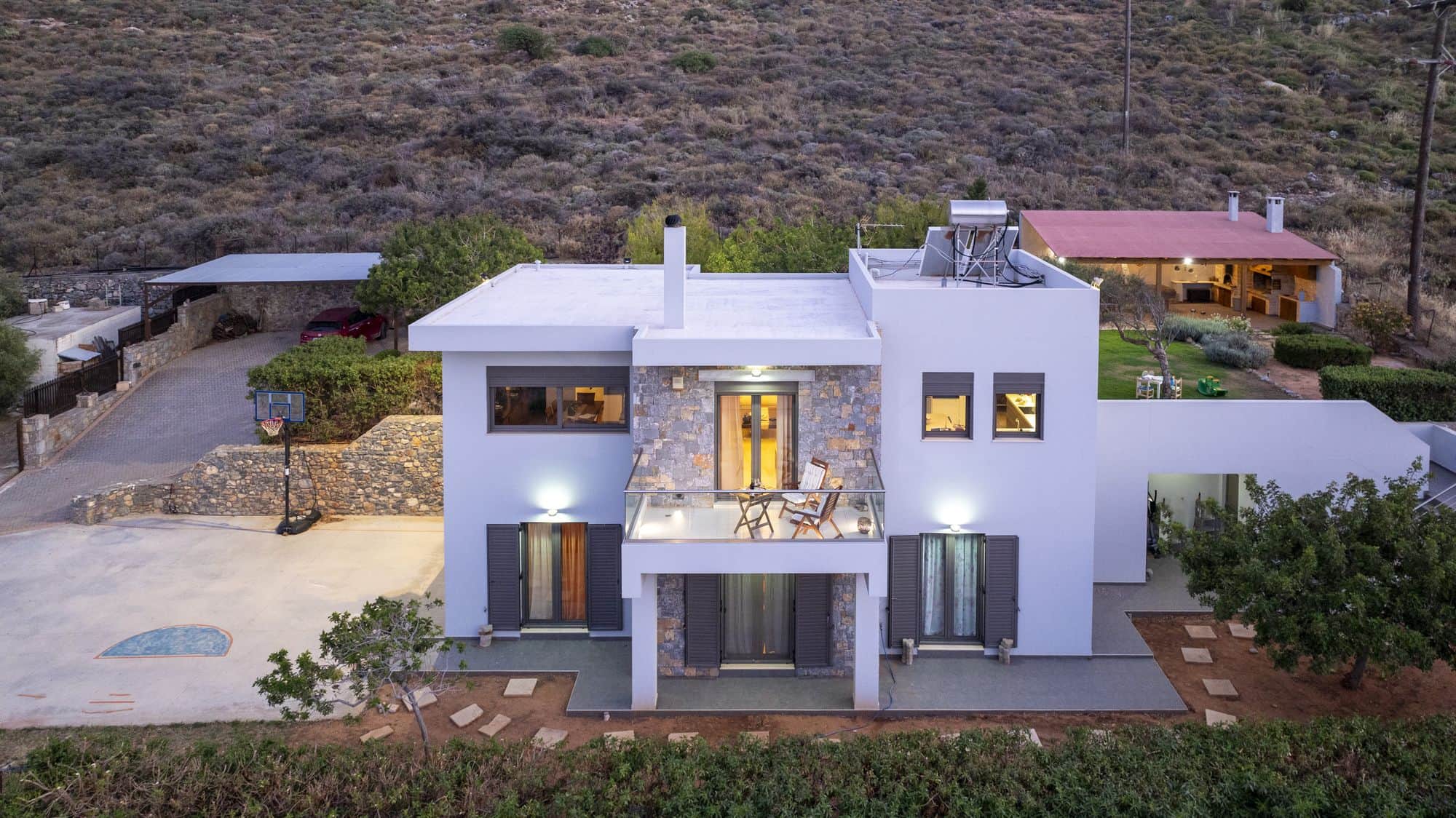
Luxury Villa Kopsas
8 guests · 4 bedrooms
View villa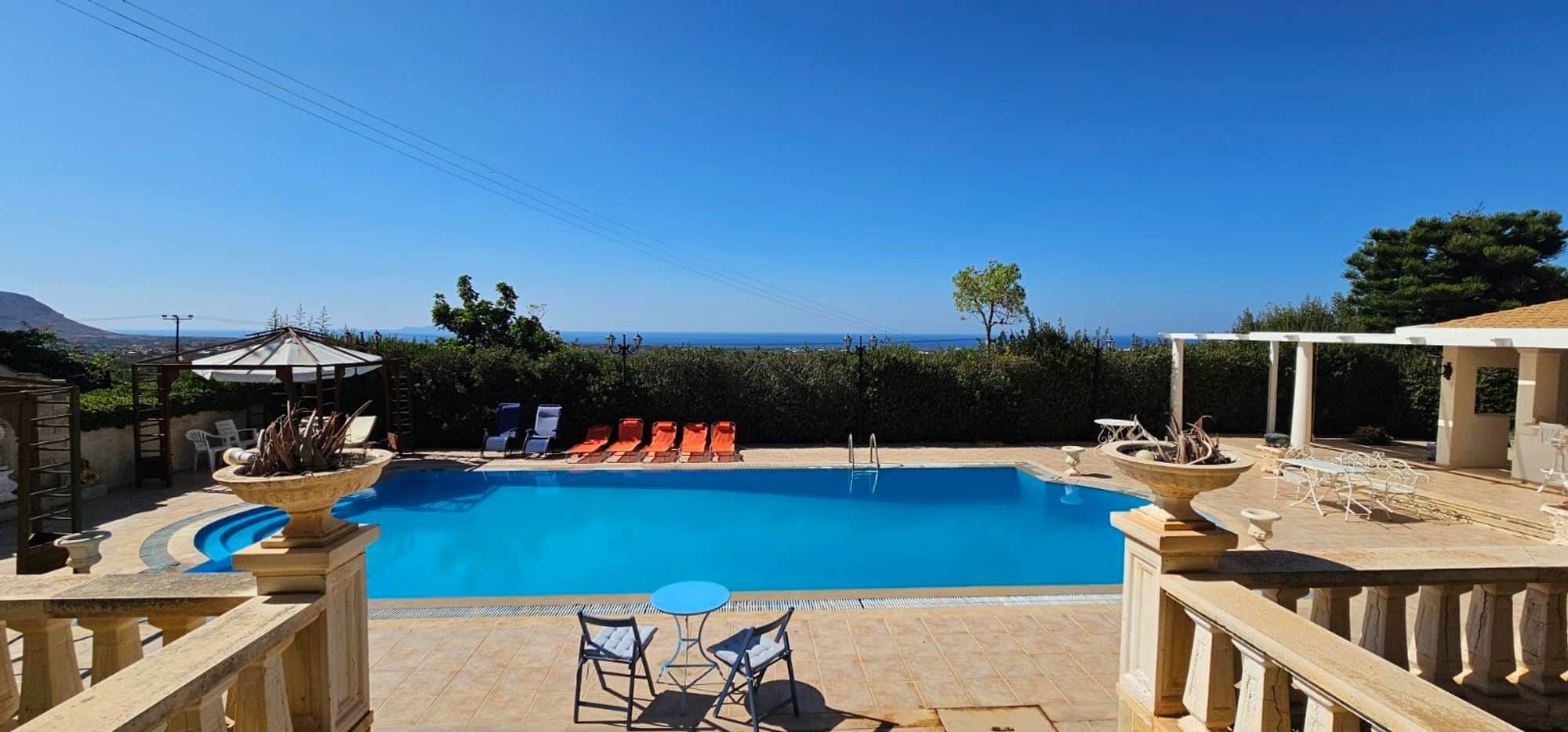 From €650
Heraklion
Palazzo Reale Superior Villa
13 guests · 7 bedrooms
View villa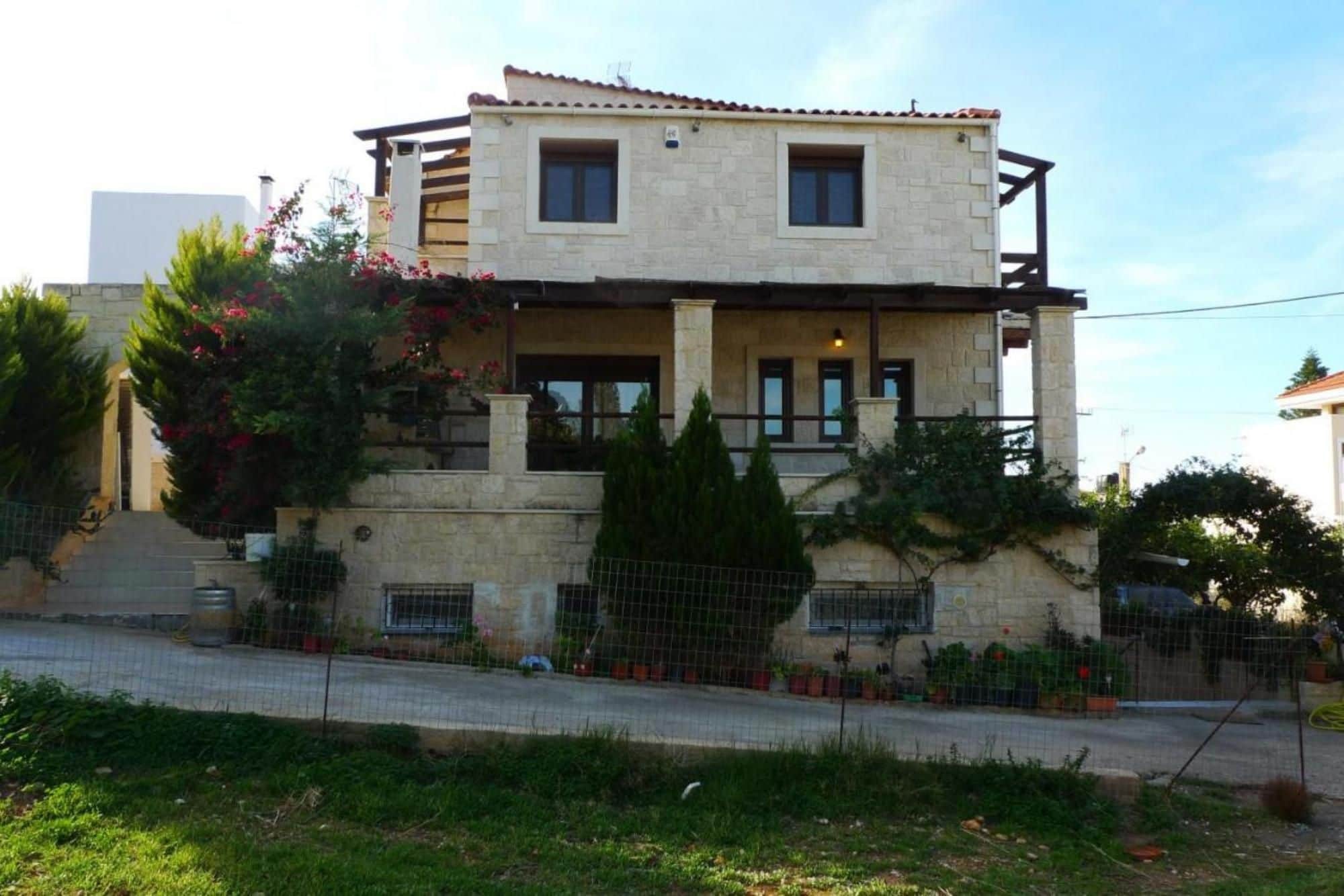 From €430
Heraklion
Stone and Wood Villa
10 guests · 4 bedrooms
View villa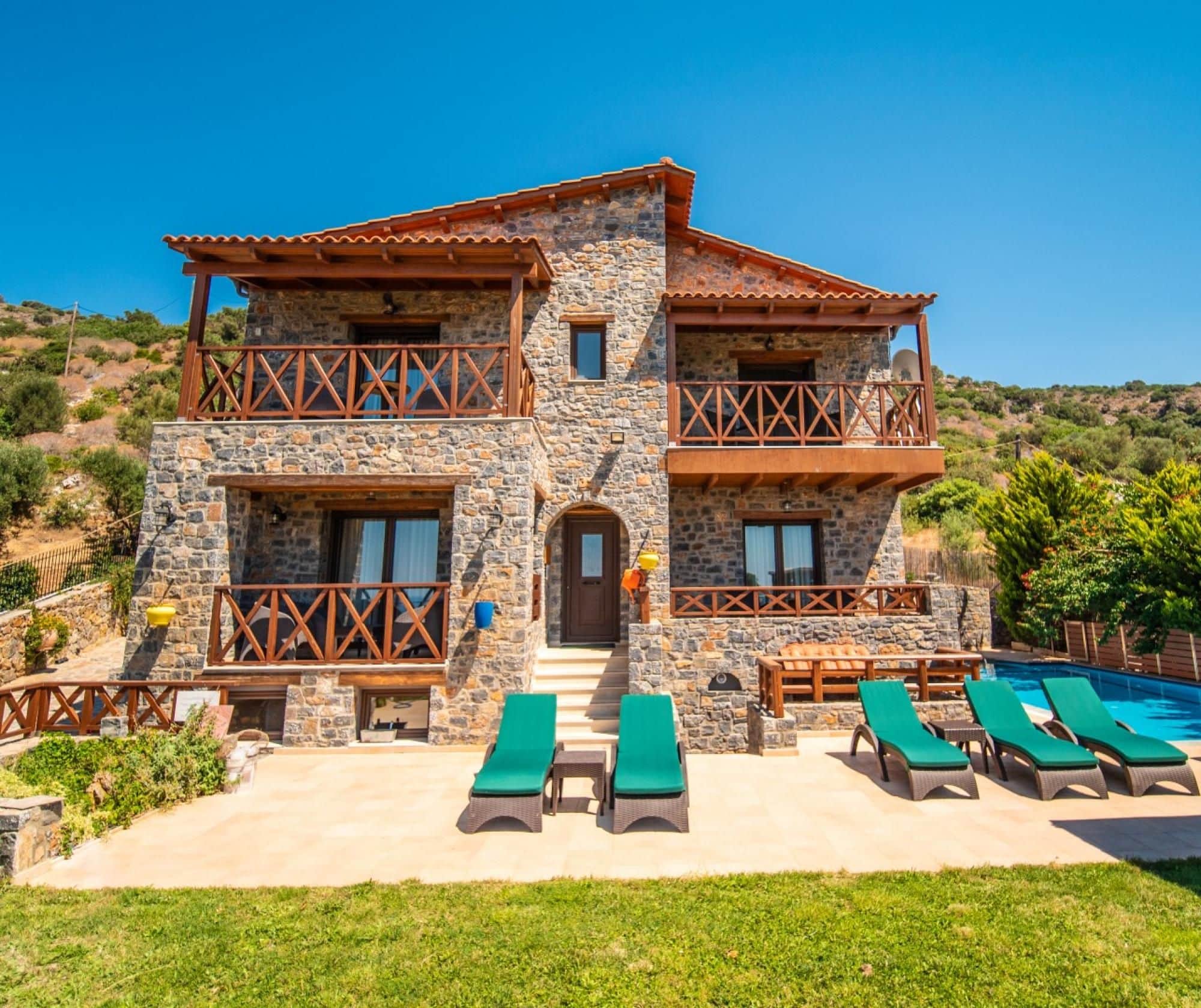 From €570
Milatos, Lasithi
Villa Avia
12 guests · 5 bedrooms
View villa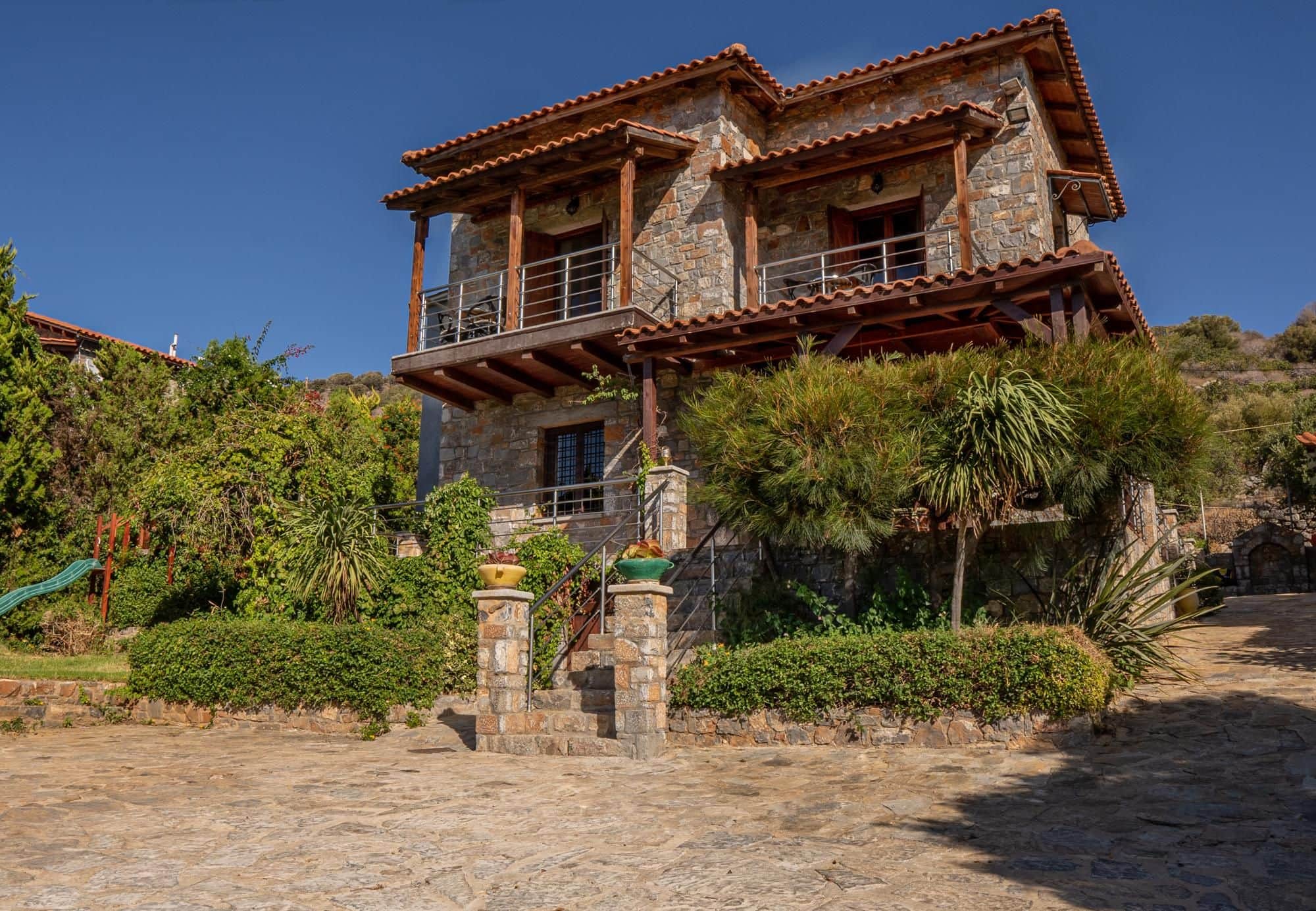 From €450
Lasithi
Iris Stone Built Villa
9 guests · 3 bedrooms
View villa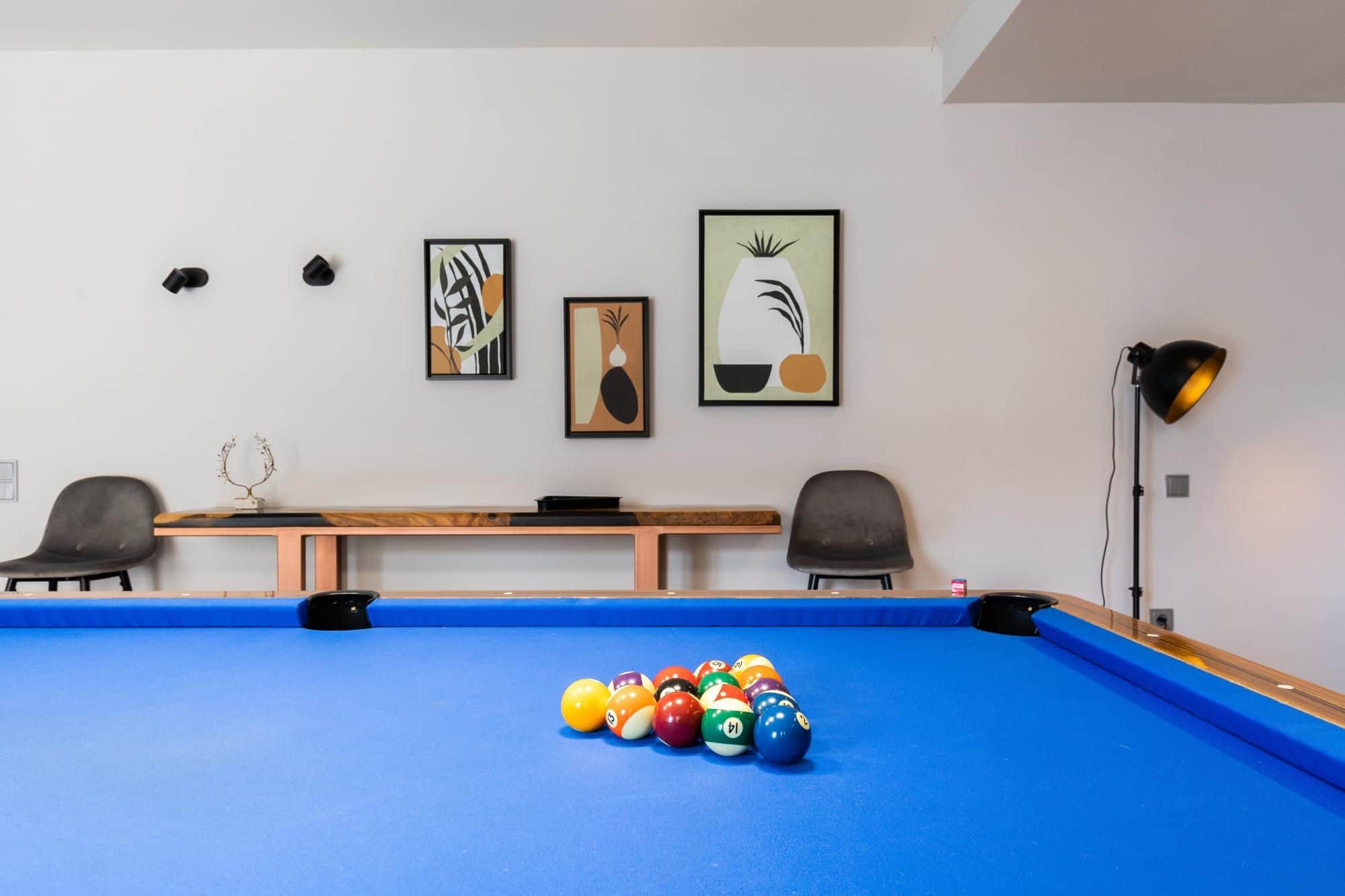 From €560
Lasithi
Blue Horizon Villa
10 guests · 4 bedrooms
View villaCooking classes in Crete: frequently asked questions
How much does a cooking class in Crete cost?
Between €95 and €350 per person. Group classes of three to five hours run €95–120, a six-hour class with hotel transfers and an olive mill visit is €200, and a private farm-to-table lesson is €350. All of them include the meal you cook.
How long does a Cretan cooking class take?
Three to six hours, most commonly four. Add 15 to 40 minutes of driving each way to a countryside venue and treat the booking as most of a half day.
Do I need cooking experience?
No. These are household recipes with short ingredient lists, taught by home cooks who are used to guests who have never rolled pastry. Confident cooks still get something out of it — technique and ratios rather than the basics.
Are vegetarian and vegan options available?
Yes. One reason it is easy here is the Orthodox fasting tradition, which left a large everyday repertoire built without meat, dairy or eggs. Say so when you book. Gluten-free needs more notice, since the dough work is the lesson itself.
Can we do a cooking class in Agios Nikolaos or Elounda?
Not with us. We list no cooking class in eastern Crete — only farm and olive oil experiences, which are a different thing. The nearest real class is in the Heraklion countryside, about an hour and a half each way.
Can children join?
Yes, and the dough-based classes suit them well, since kneading and shaping pies is genuinely good work for a child. Watch the length rather than the content: three or four hours is a better fit than five.
Final Thoughts
A cooking class is the booking that follows you home. A boat trip becomes a folder of photographs; a class becomes a dish you make again in another kitchen and remember the garden it came from. At €95 to €120 with the meal included, it is also one of the better-value half days on the island.
Book it mid-week rather than at the end, choose the region you are already staying in instead of driving across the island for it, ask about transfers before you pay, and arrive hungry. If you are still assembling the week around it, our best experiences in Crete guide has the rest of the shortlist.
Browse experiences in CreteExperiences you can book now
 From €15
Heraklion, Crete · 1 hours
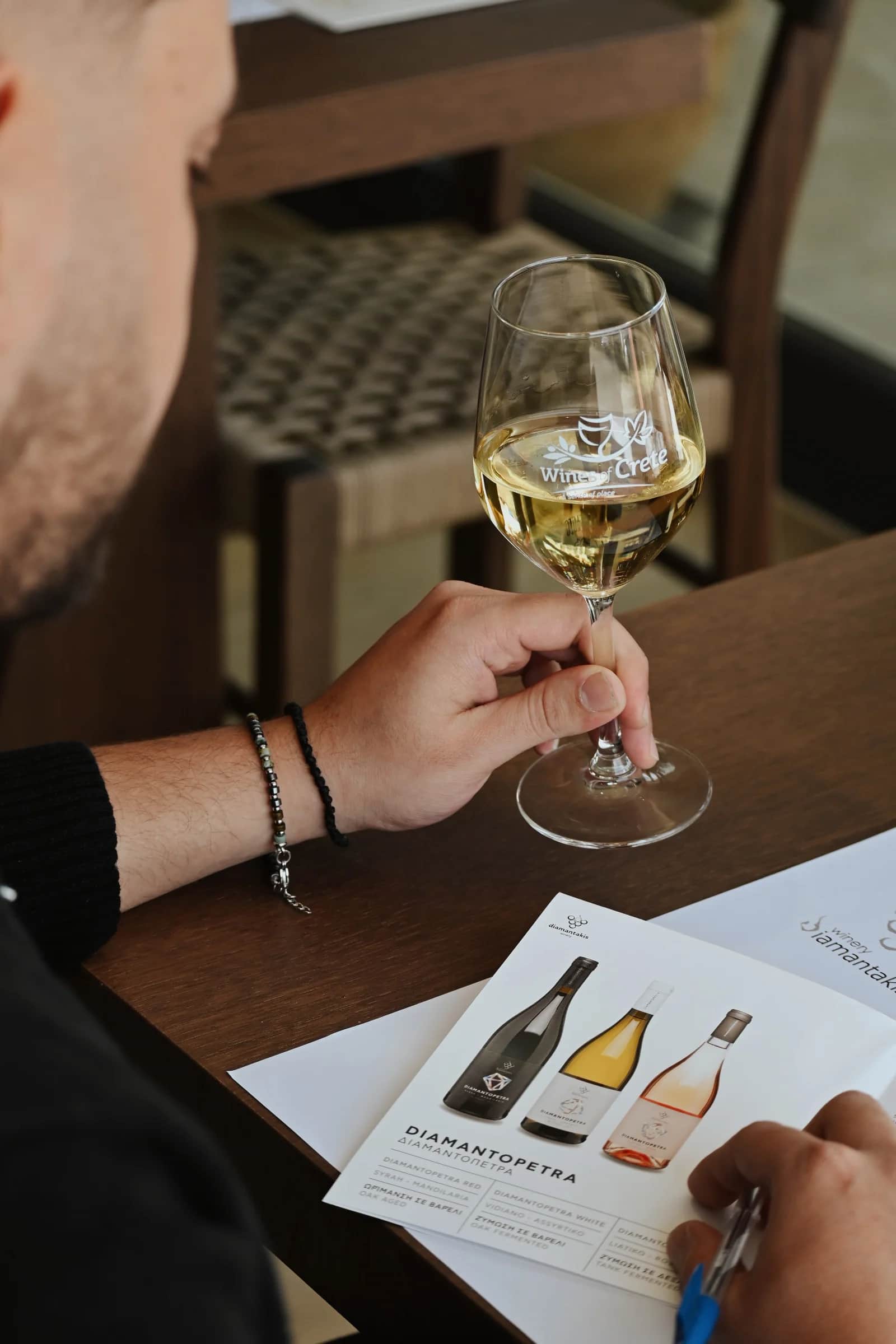
Tasting of 5 typical Cretan wines in Heraklion
Check availability From €15
Chania, Crete · 1 hours
Water Mill Cultural Tour & Tasting of local flavors in Chania, Crete
Check availability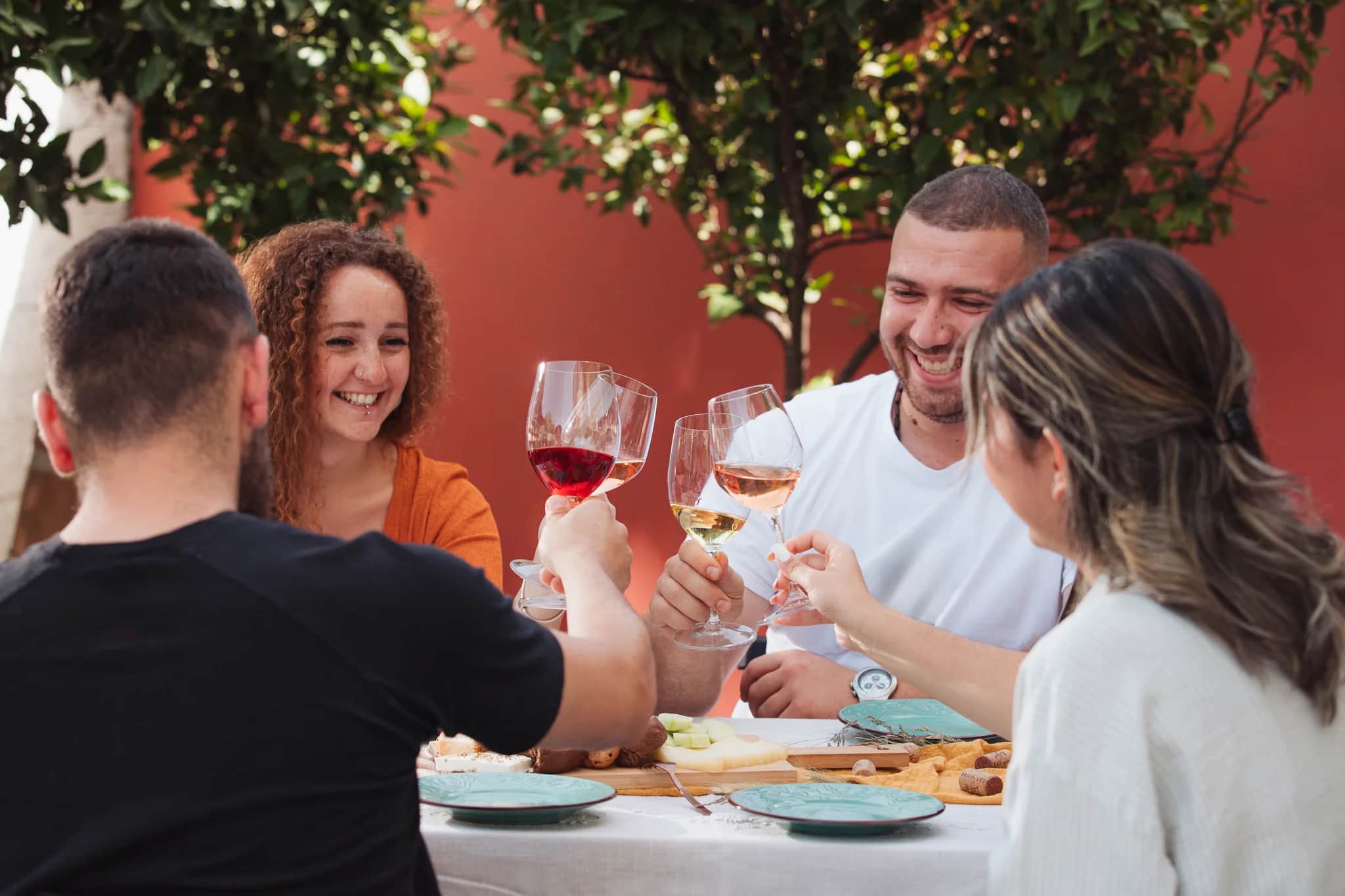 From €19
Heraklion, Crete · 1 hours
Cretan Wine Tasting near Heraklion
Check availability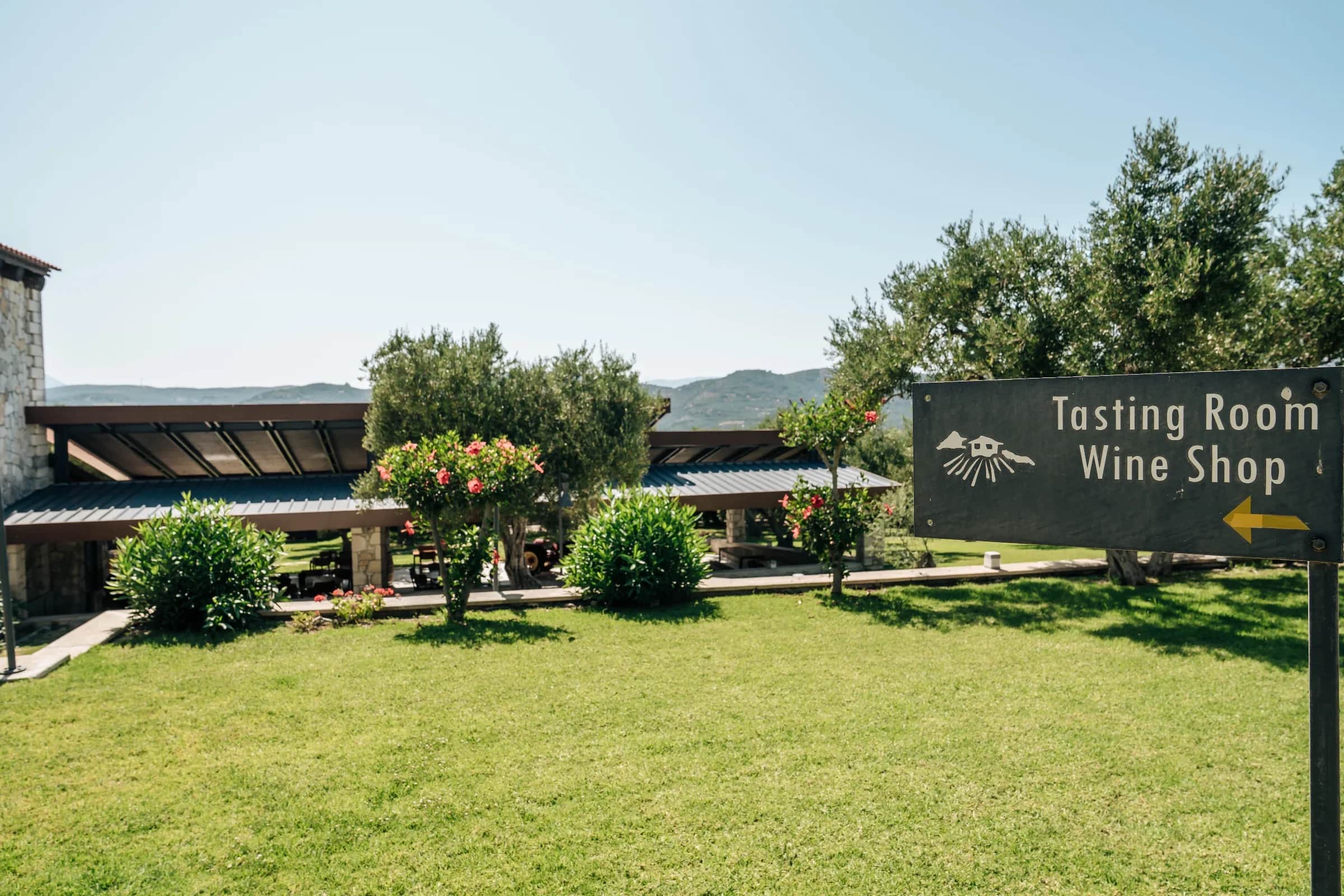 From €20
Chania, Crete · 1 hours
Small Premium Wine Tasting in Kolymvari, Chania
Check availability From €22
Heraklion, Crete · 1 hours